Facts · Trivia · Field Notes
The animal behind the symbol.
Before an animal meant anything, it was an animal. Here is what each one actually does — the biology the symbolism grew out of.
90 of 90 animals
Alligator & Crocodile
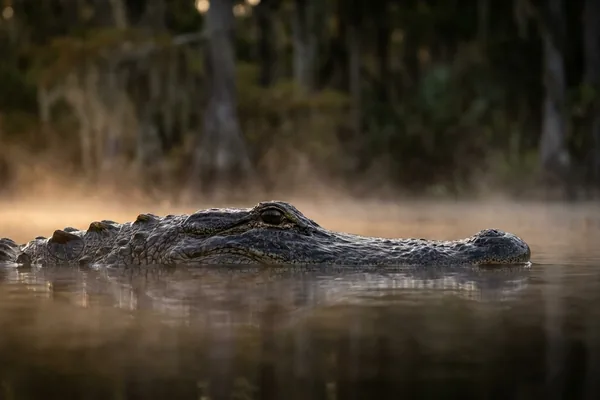
Alligators dig their own water-holding pits, called "gator holes," using their tails — a trick that also helps fish, turtles, and birds survive droug…
Ant
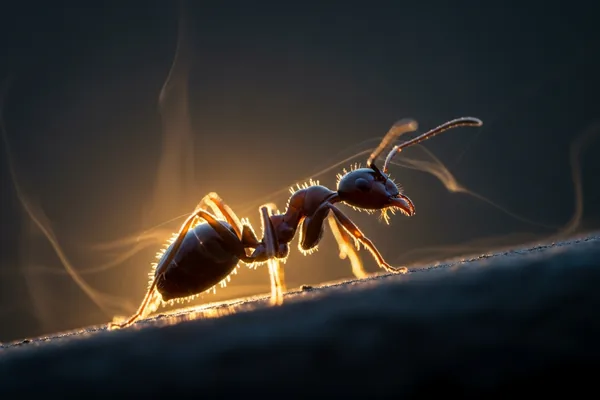
There are roughly 20 quadrillion ants on Earth.
Bat
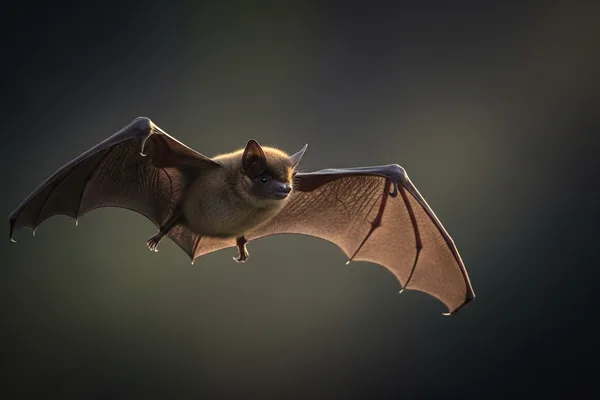
A little brown bat eats roughly 4 to 8 grams of insects a night, which puts a real dent in local insect populations.
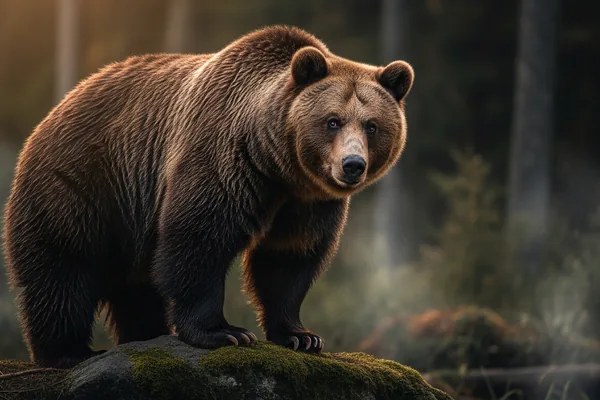
Bear
Bears pack surprising extremes into one body: they can hibernate for around seven months without eating, sprint up to 40 mph, and some can swim as fa…
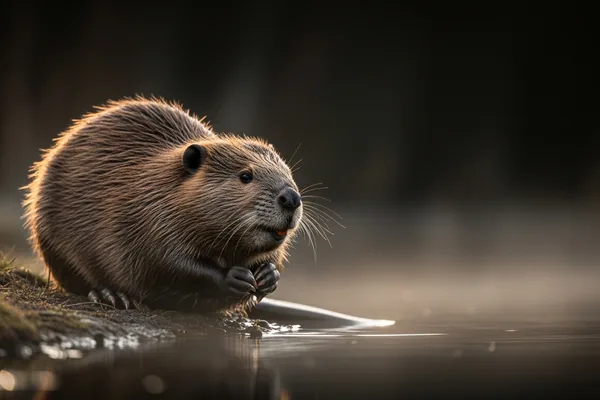
Beaver
Beavers slap their broad, foot-long tails against the water to warn the colony of danger, then can stay submerged for up to 15 minutes at a stretch.
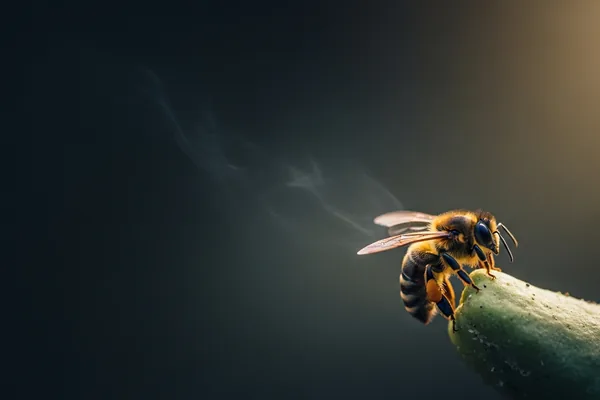
Bee
Bees see with five eyes but can't perceive the color red, and a single hive of 30,000 to 60,000 workers can produce more than 100 pounds of surplus h…
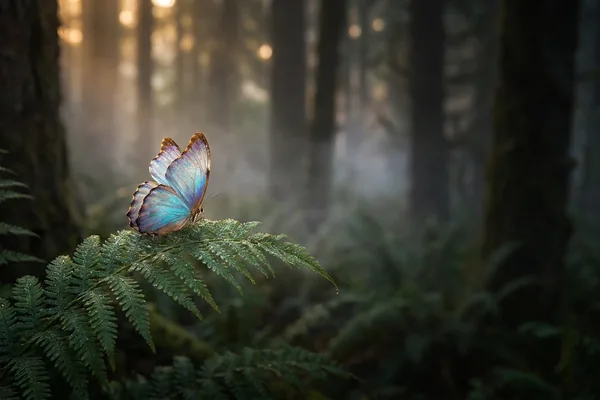
Butterfly
Butterflies taste with sensors in their feet, can't fly once their body temperature drops below 86°F, and monarchs migrate up to 2,500 miles in a sin…
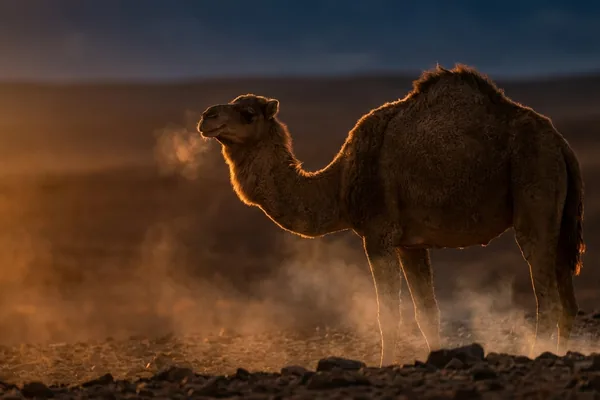
Camel
A camel's humps store fat, not water: roughly 25 to 35 kg in each hump of a Bactrian camel, a reserve of about 250,000 to 350,000 kcal.
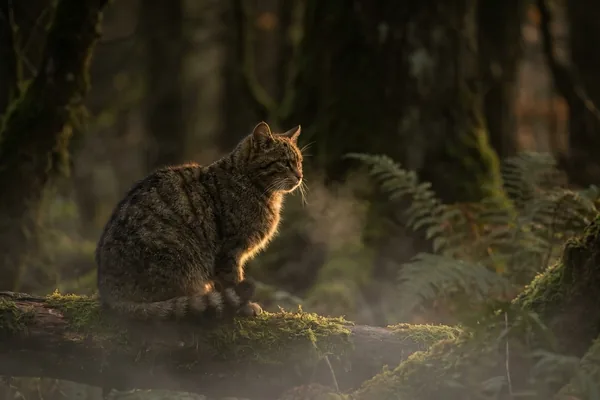
Cat
Cats cannot taste sweetness at all — the gene for the sweet receptor is broken in the entire cat family.
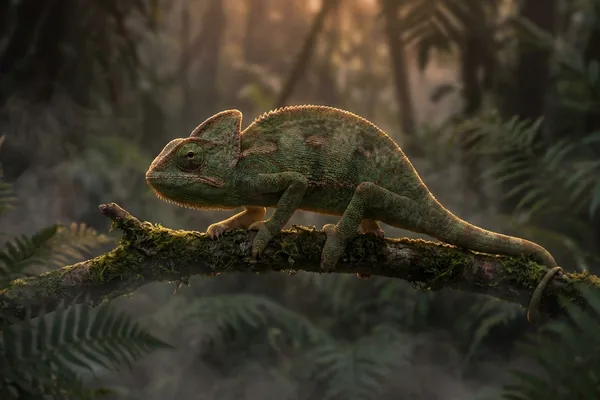
Chameleon
A chameleon does not pump pigment around.
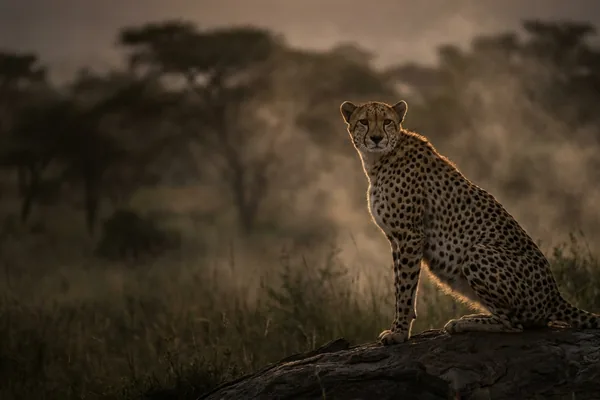
Cheetah
The cheetah (Acinonyx jubatus) is listed as Vulnerable, with the global population tentatively estimated at about 6,500 mature individuals and a proj…
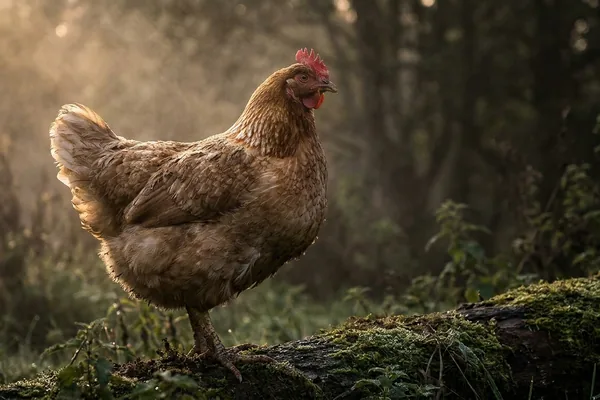
Chicken
Chicks only three or four days old can add and subtract objects hidden behind screens, and they lay numbers out in space small-to-left, large-to-righ…
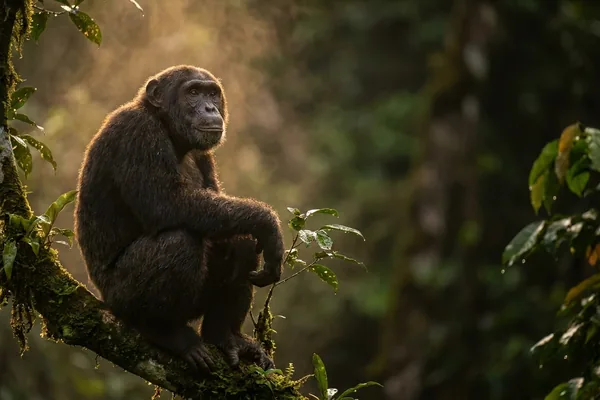
Chimpanzee
Chimpanzees (Pan troglodytes) are listed as Endangered by the IUCN, assessed 24 March 2016 under criteria A4bcde.
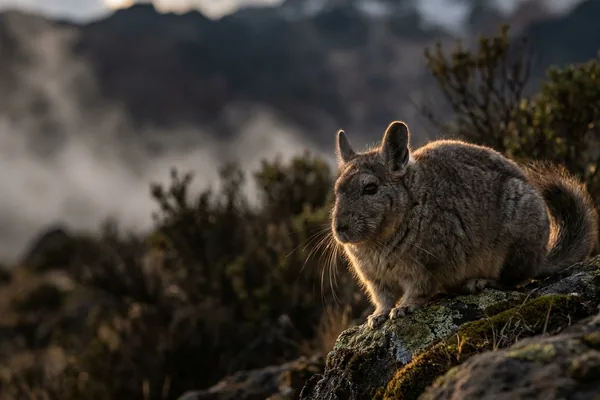
Chinchilla
On the rump, where its coat is thickest, a long-tailed chinchilla packs up to about 25,000 hairs per square centimetre — the densest fur of any land…
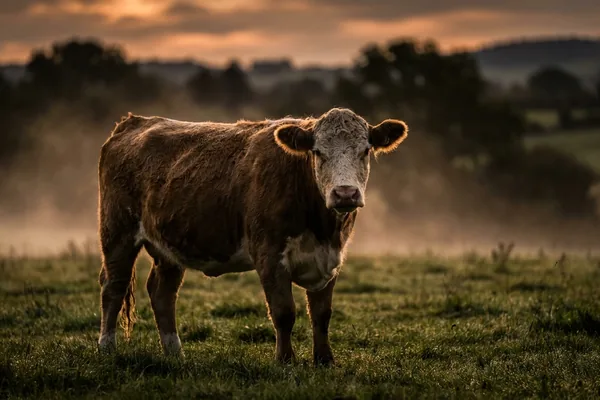
Cow
Cows are ruminants with a four-chambered stomach, which lets them chew their cud after putting away roughly 40 pounds of grass and grain a day.
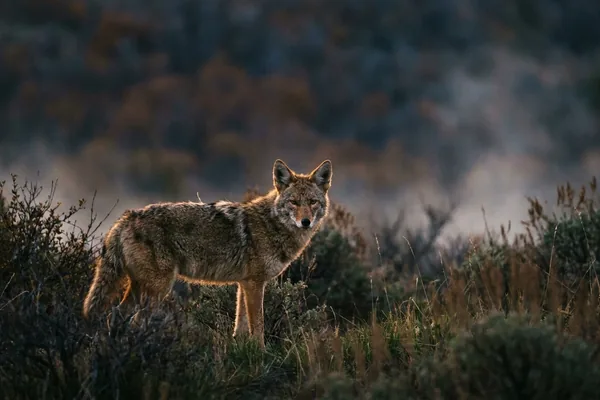
Coyote
The coyote is a remarkably adaptable member of the dog family.
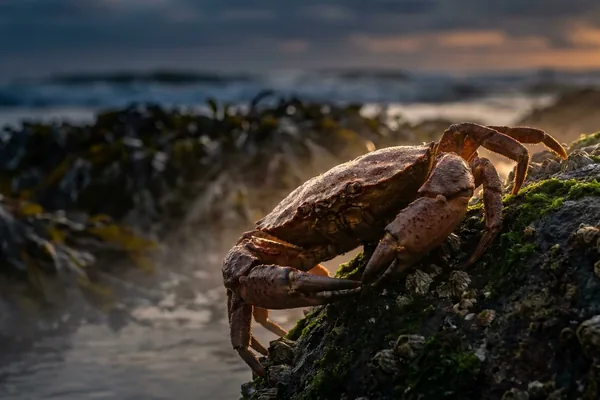
Crab
Crabs are decapod crustaceans with ten limbs, compound eyes on stalks, and — oddly enough — teeth located in their stomach rather than their mouth.
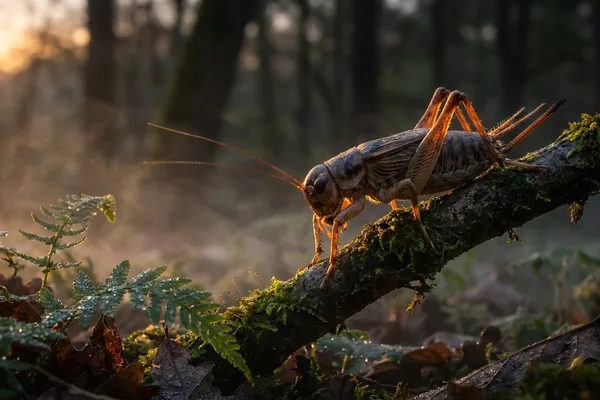
Cricket
Crickets are nocturnal insects that hear through organs on their front legs instead of their heads.
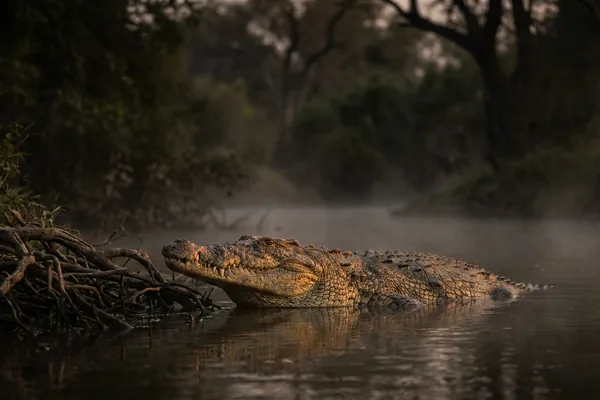
Crocodile
Crocodiles produce the strongest bite force ever measured in a living animal, and the sex of a hatchling is decided not by chromosomes but by the tem…
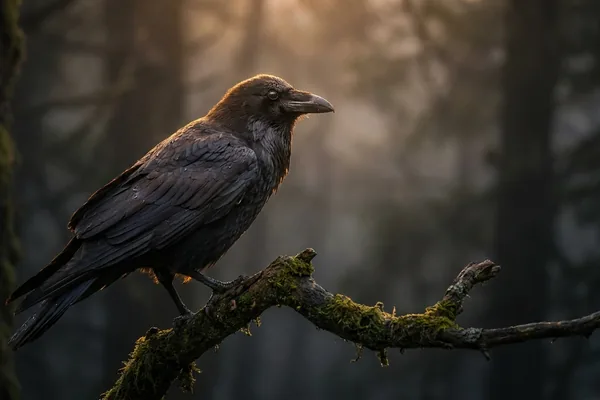
Crow
Crows are intelligent songbirds.
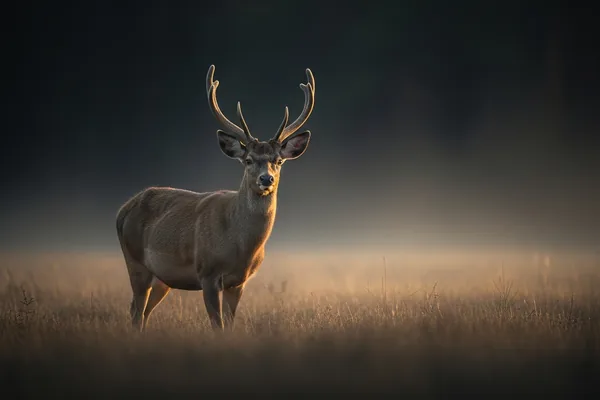
Deer
Only bucks grow antlers, and they shed the old set to grow a new pair every year.
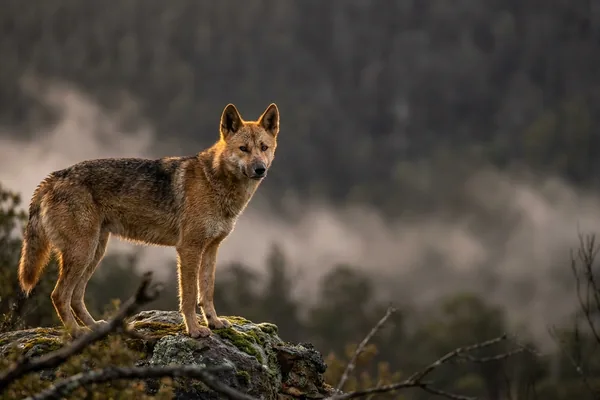
Dog
A dog's nose can detect scents at concentrations roughly 100 million times fainter than a human can notice, and its hearing is about four times sharp…

Dolphin
Dolphins navigate and hunt using echolocation, a biological sonar so precise that decades of research show it outperforming many human-made sonar sys…
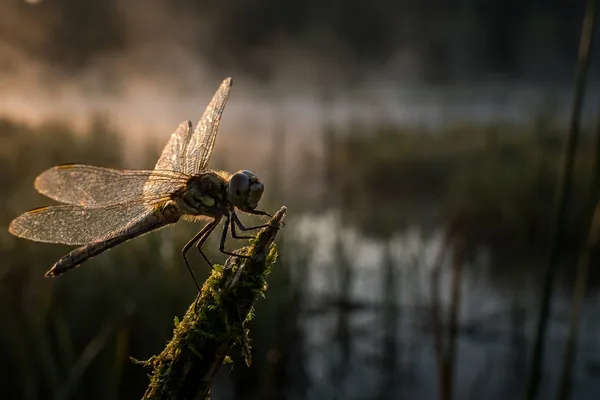
Dragonfly
Dragonflies are ancient aerial predators whose lineage stretches back roughly 300 million years, and today more than 5,000 species patrol skies world…

Duck
The classic quack is the sound of a female Mallard; drakes do not quack, they make a quieter, rasping sound.
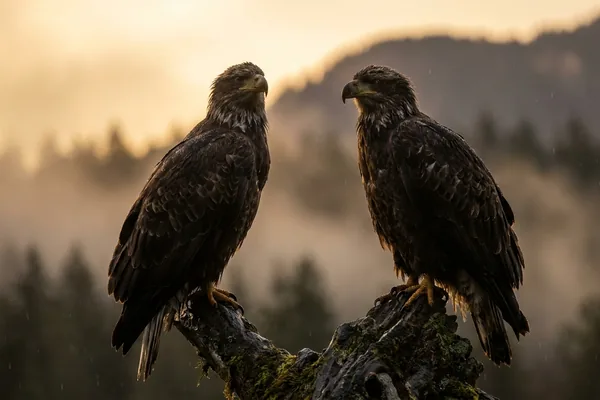
Eagle
Eagles are powerful raptors: more than 60 species spread across nearly every continent, hunting everything from fish to young deer with hooked beaks…
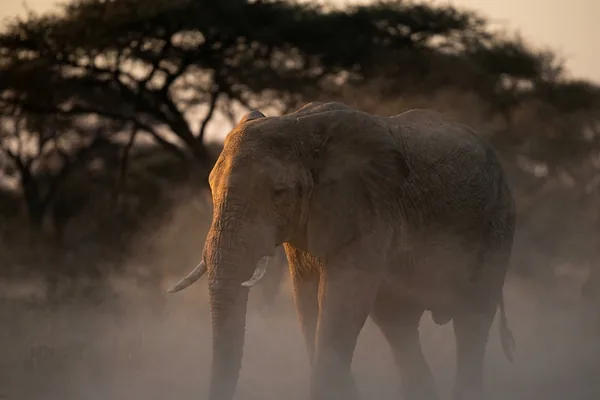
Elephant
Elephants are the largest land mammals on Earth: the biggest individual ever recorded weighed roughly 24,000 pounds, and their trunks contain an esti…
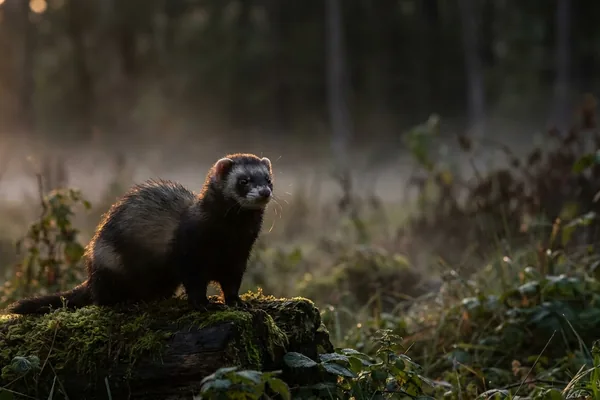
Ferret
A ferret is not a rodent.
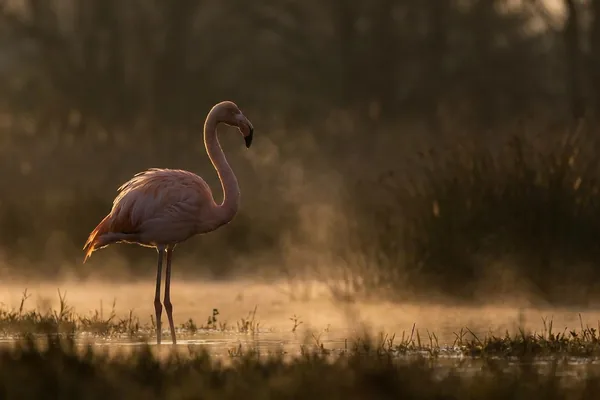
Flamingo
There are six flamingo species — greater, lesser, Chilean, American (Caribbean), Andean and James's — and none of them is born pink: chicks hatch gre…
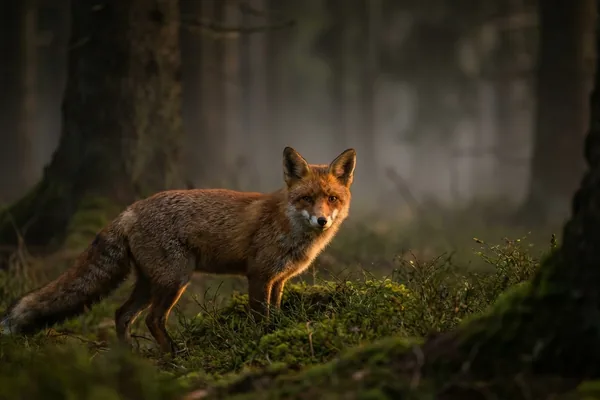
Fox
Foxes act more like cats than dogs in several ways: grey foxes can retract their claws and climb trees, a trick no other canine can manage, and leg w…
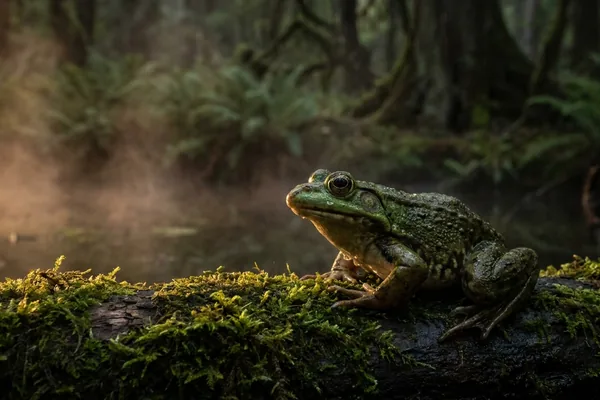
Frog
Frogs breathe partly through their moist skin, live on every continent except Antarctica, and can jump several times their own body length thanks to…
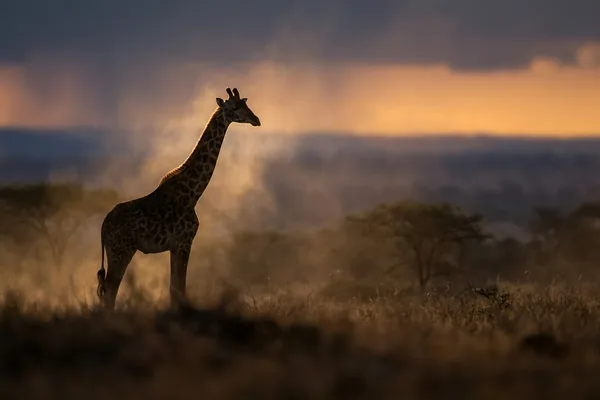
Giraffe
As the tallest mammal on Earth, a giraffe still can't comfortably reach the ground to drink because of that towering neck, and its tongue stretches a…
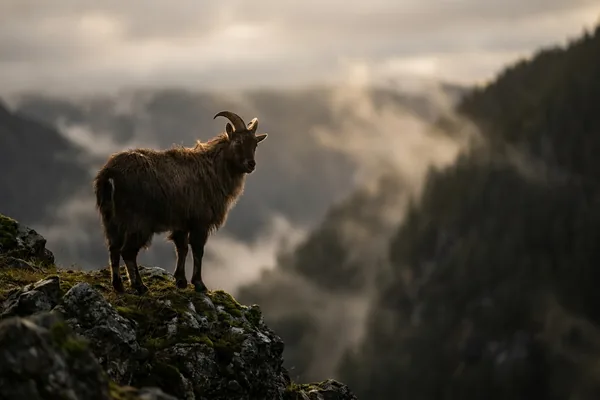
Goat
Goats were among the first animals ever domesticated, tamed roughly 9,000 years ago, and today more people worldwide eat goat meat and drink goat mil…
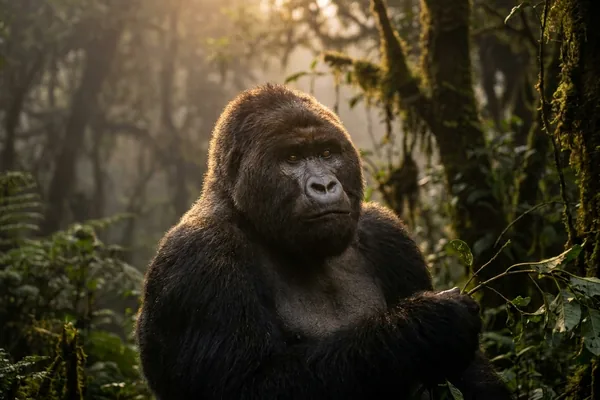
Gorilla
Silverbacks are the heaviest primates alive: over 400 pounds and 5.5 to 6 feet tall, from a birth weight of about 4 pounds.
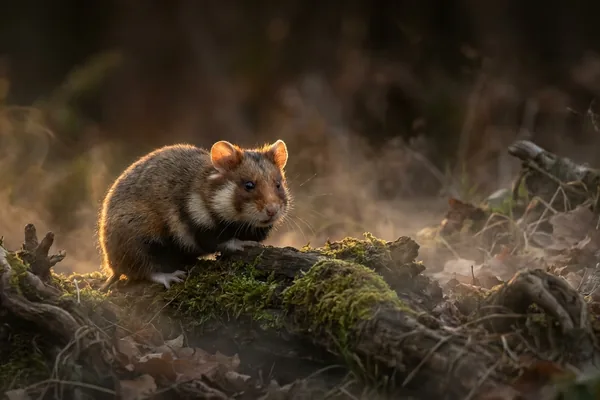
Hamster
A golden (Syrian) hamster is pregnant for 16 days, the shortest gestation of any placental mammal, and it is Endangered in the wild: the IUCN estimat…
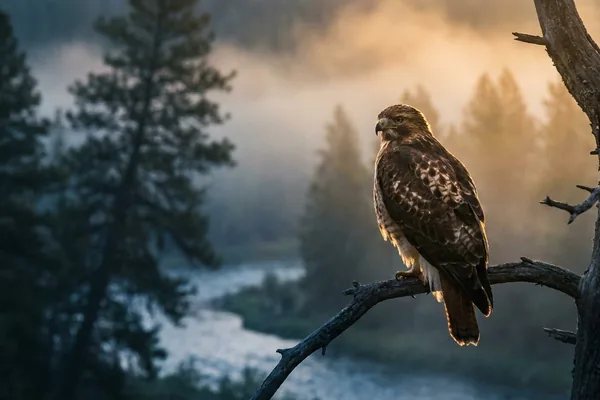
Hawk
Hawks are secretive hunters built for precision, known especially for extraordinarily sharp eyesight and a hooked beak made for tearing prey.
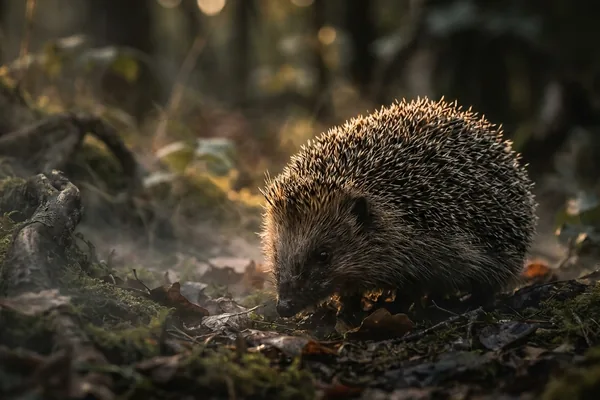
Hedgehog
A hedgehog carries about 5,000 spines, and unlike a porcupine's they are unbarbed and cannot detach — they are armour, not ammunition.
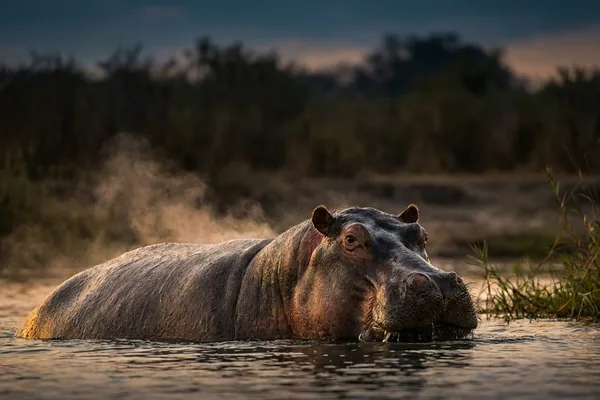
Hippo
Hippopotamus amphibius does not swim: filmed underwater, it uses a gallop-like gait along the bottom at an average of 0.47 m/s.
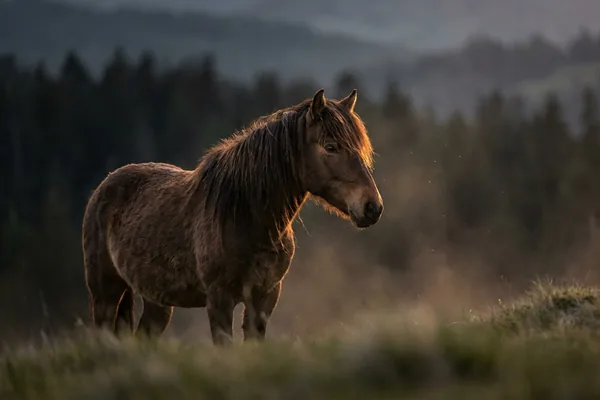
Horse
Horses need surprisingly little sleep for an animal their size — just 2.5 to 3 hours a day — and they can gallop at roughly 27 miles per hour.
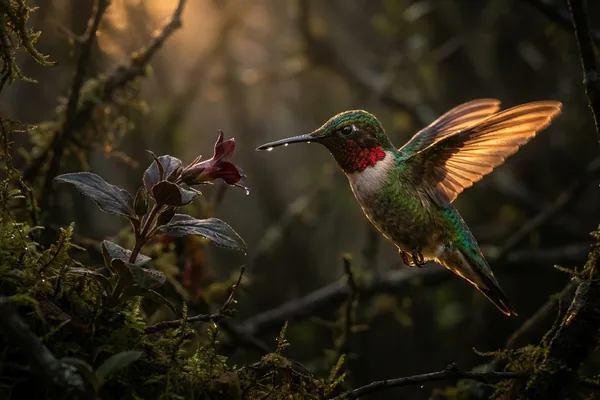
Hummingbird
There are almost 340 hummingbird species and every one of them lives only in the Americas.
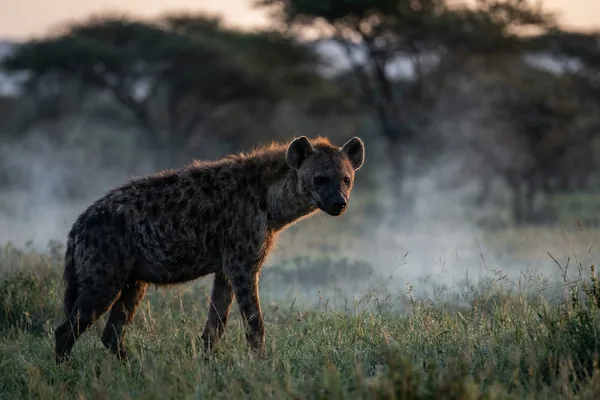
Hyena
The family Hyaenidae has exactly four living species: the spotted, striped and brown hyenas plus the aardwolf, which eats almost nothing but termites…
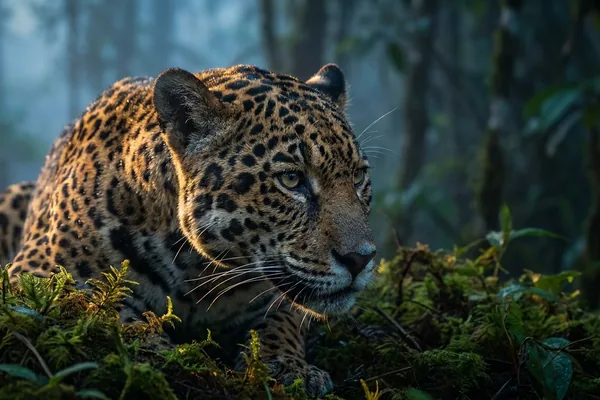
Jaguar
The jaguar (Panthera onca) is the largest cat in the Americas and the third largest in the world, behind the tiger and the lion, weighing 57-113 kg.
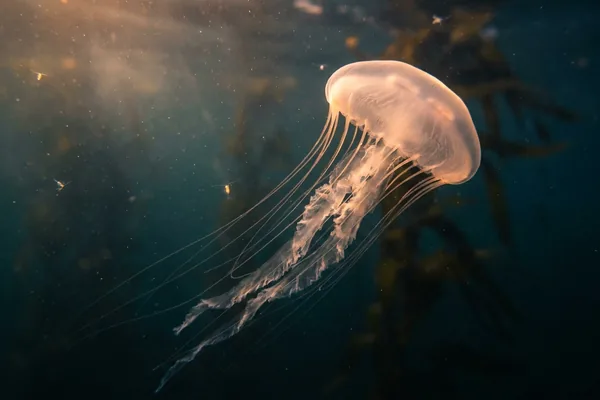
Jellyfish
Jellyfish are about 95% water and have no bones, brain, heart or blood, yet the upside-down jellyfish Cassiopea sleeps, dropping from about 58 bell p…
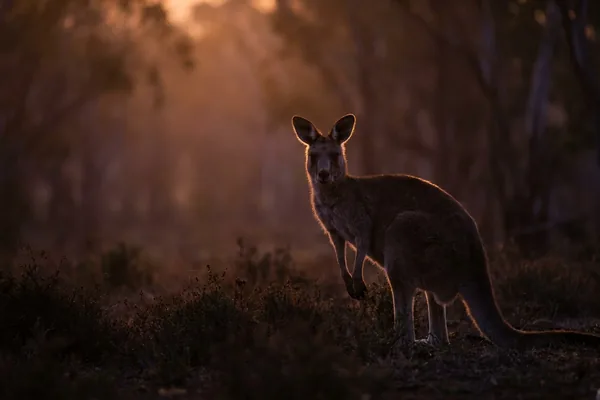
Kangaroo
A male red kangaroo reaches 92 kg, roughly double the weight of a female, and is the largest marsupial alive.
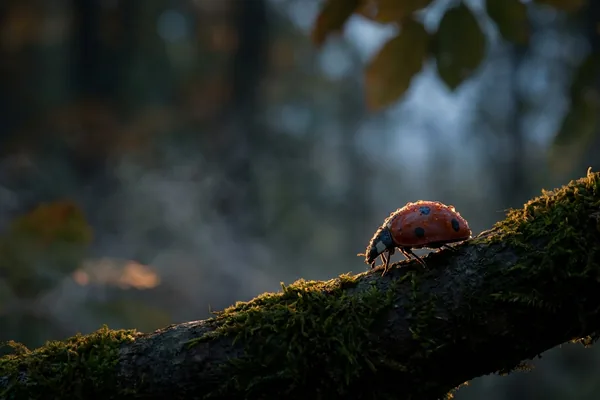
Ladybug
A ladybug is a beetle in the family Coccinellidae, and its spots identify the species rather than its age.
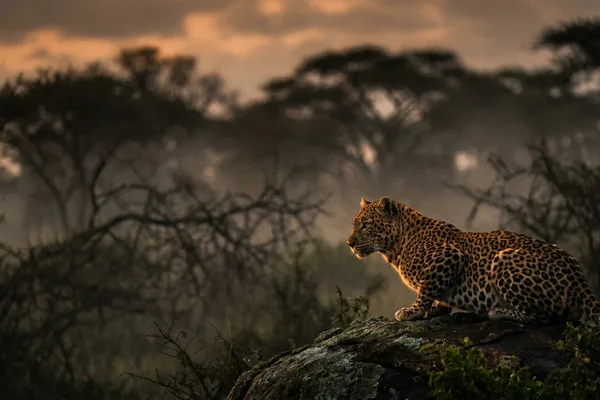
Leopard
A leopard hauls kills heavier than itself up into trees to keep them from lions and hyenas.
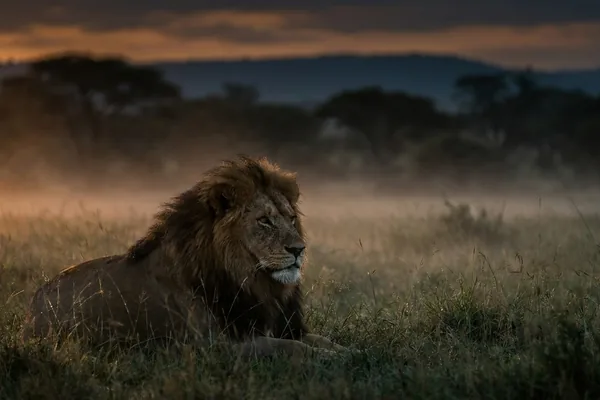
Lion
Lions are the only big cats that live in tight-knit social groups called prides, and they spend 16 to 20 hours a day resting between hunts.
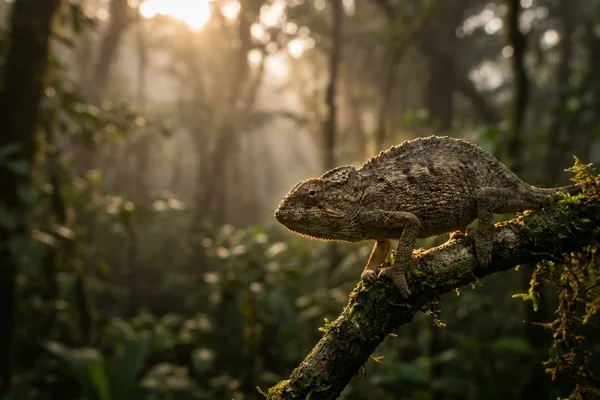
Lizard
The Reptile Database listed 8,003 lizard species out of 12,650 reptiles as of 16 June 2026, and roughly 200 new reptiles are described every year.
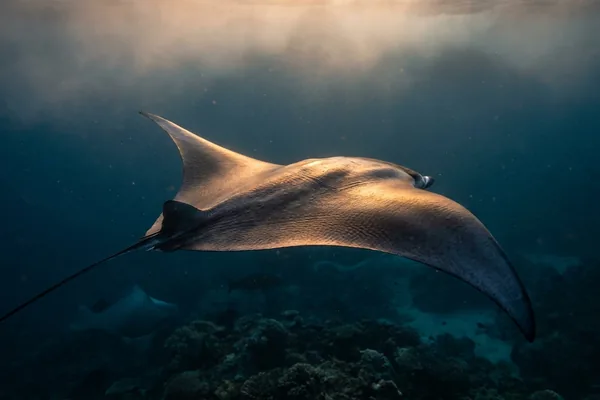
Manta Ray
A manta ray has no venomous barb — its tail is a bare whip, unlike a stingray's.
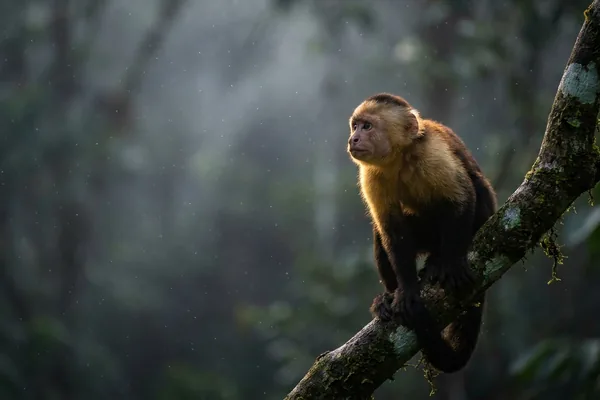
Monkey
Monkeys are social, chatty primates, with 264 known species spread across forests, mountains, and grasslands worldwide.
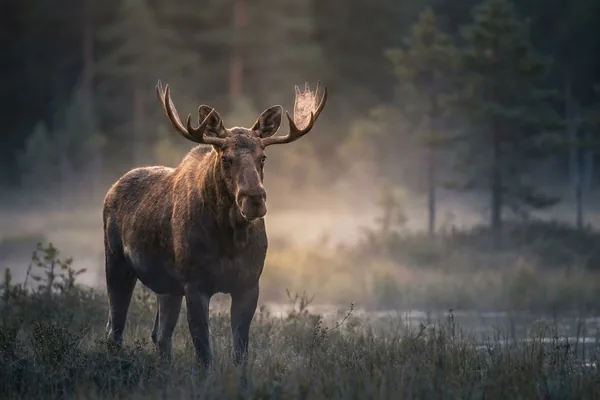
Moose
A moose injures more people in Alaska than bears do.
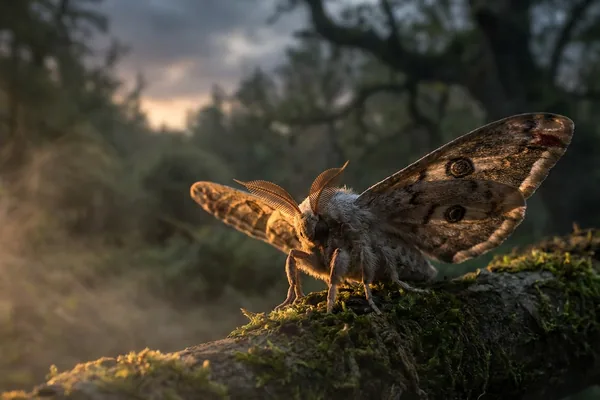
Moth
There are about 160,000 known moth species worldwide against roughly 17,500 butterflies, with nearly 11,000 moth species in the United States alone.
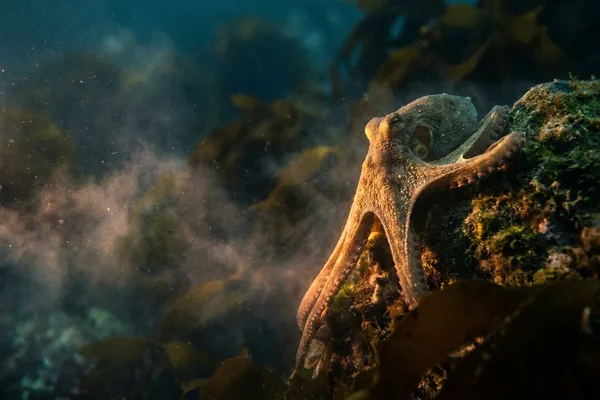
Octopus
An octopus has three hearts and blue, copper-based blood, and the common octopus carries around 500 million neurons — roughly a dog's count — with ab…
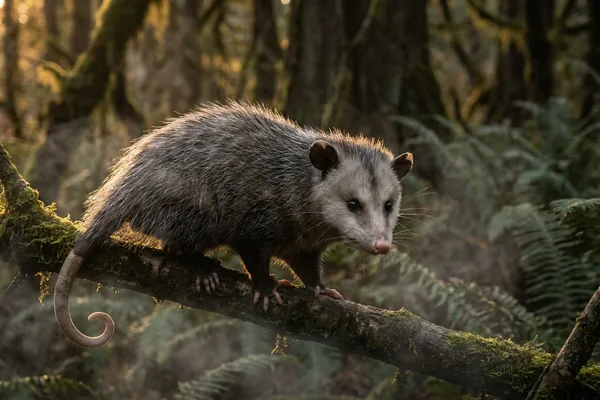
Opossum
The Virginia opossum (Didelphis virginiana) is the only marsupial native to the United States and Canada, carries 50 teeth, and is pregnant for just…
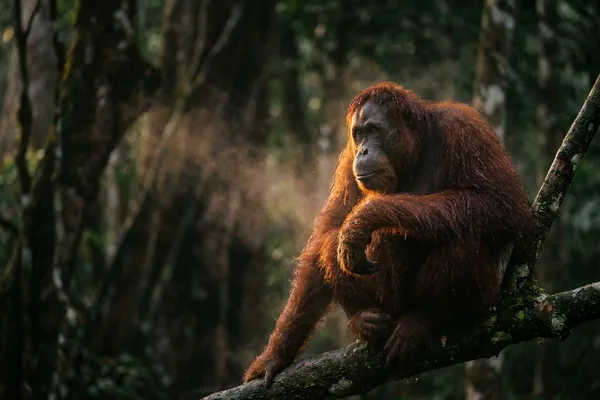
Orangutan
An orangutan is a great ape, not a monkey — it has no tail and is far more closely related to us than to any monkey.
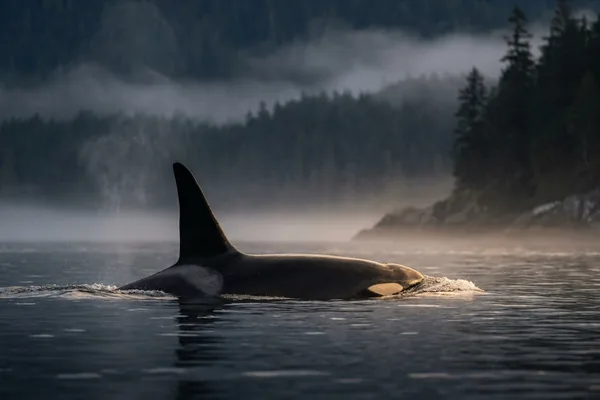
Orca
Orcas (Orcinus orca) are the largest members of the oceanic dolphin family and live in every ocean, with roughly 50,000 worldwide and about 2,500 in…
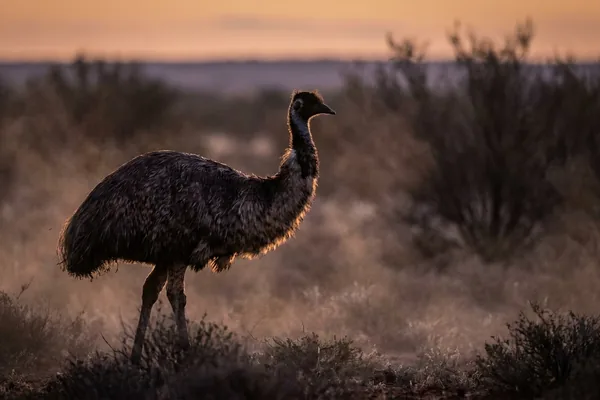
Ostrich
A fully grown common ostrich stands up to 9 feet (2.7 m) tall including its neck, sprints up to 43 mph (70 km/h) in short bursts, holds about 31 mph…
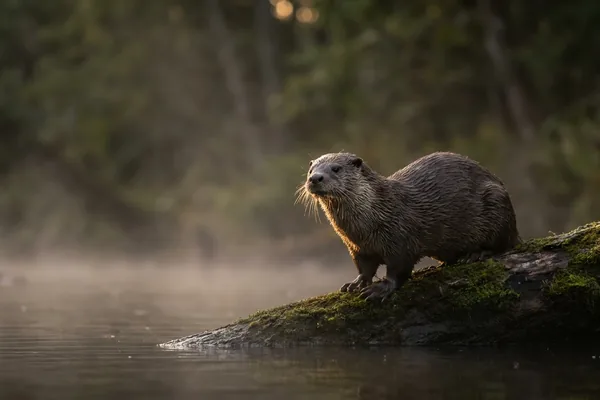
Otter
Otters have the densest fur of any mammal on Earth — about a million hairs per square inch — and some species can dive over 300 feet chasing prey.
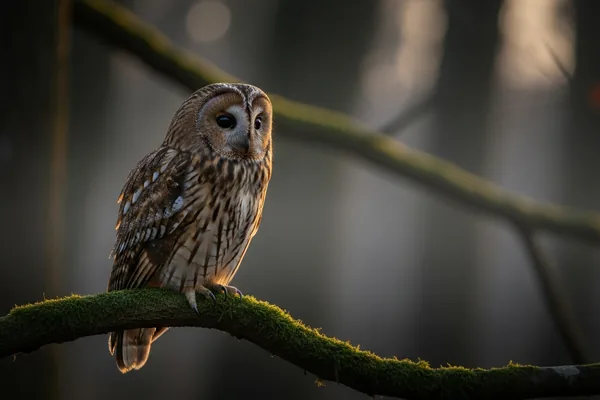
Owl
There are roughly 205 owl species worldwide, and nearly all of them hunt at night.
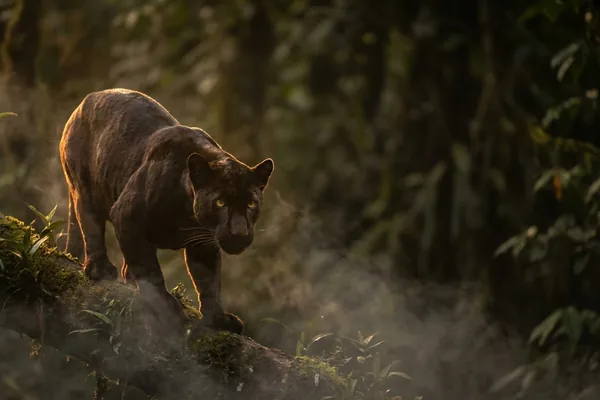
Panther
"Panther" isn't a single species.
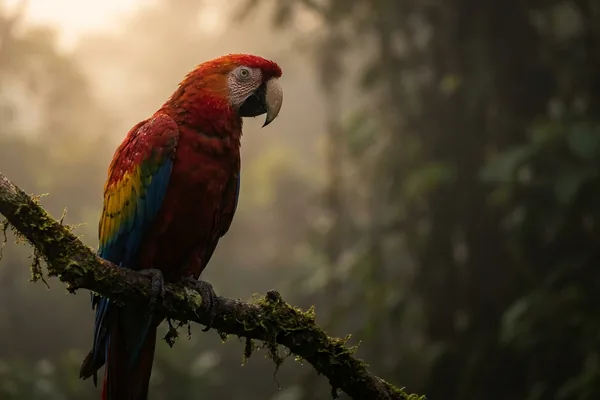
Parrot
A parrot has no vocal cords.
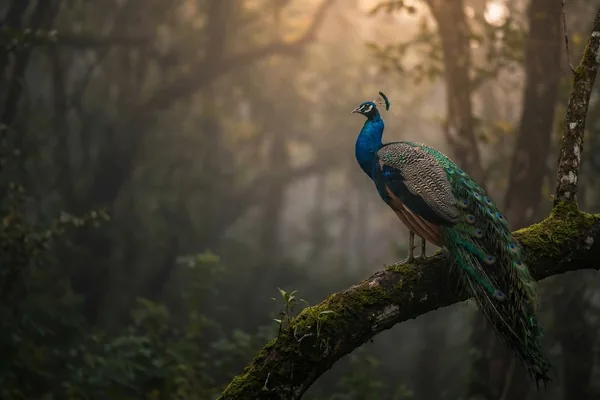
Peacock
The peacock's fan is not a tail.
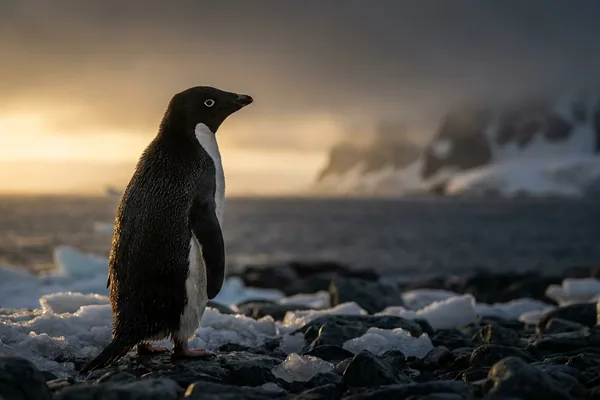
Penguin
An emperor penguin has stayed underwater for 32.2 minutes, the longest dive recorded for any bird.
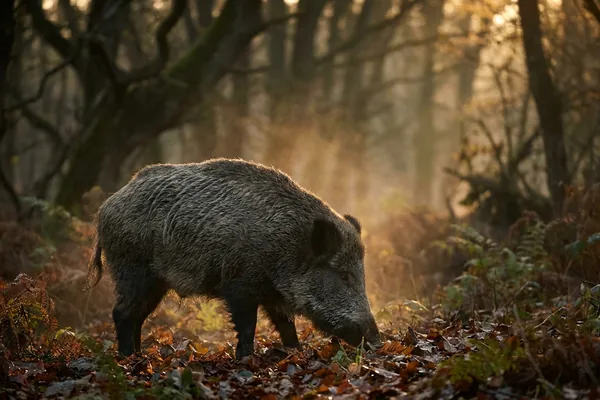
Pig
The domestic pig is Sus scrofa, a subspecies of the wild boar, domesticated at least 9,000 years ago; China is home to almost half the world's pigs.
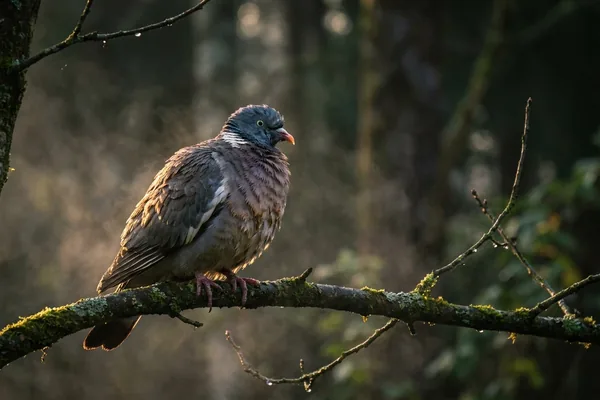
Pigeon
Cuneiform tablets and Egyptian hieroglyphics suggest pigeons were domesticated more than 5,000 years ago.
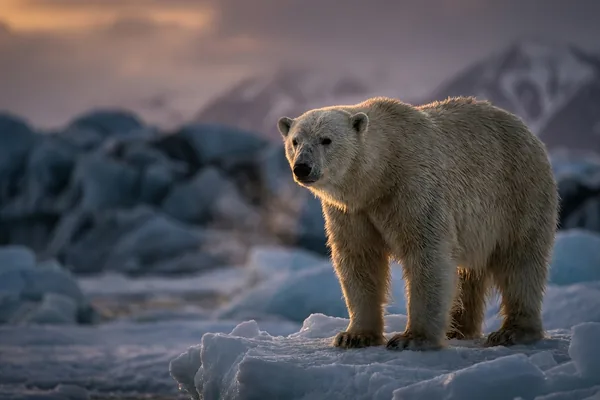
Polar Bear
Polar bears (Ursus maritimus) are the largest living bears: males typically weigh 350–650 kg (770–1,430 lb) and females 150–350 kg (330–770 lb).
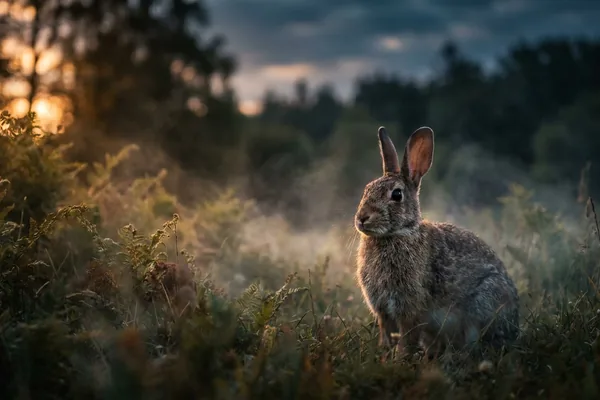
Rabbit
More than half of the world's rabbits live in North America, and while they typically live around 10 years, pet rabbits tend to outlive their wild co…
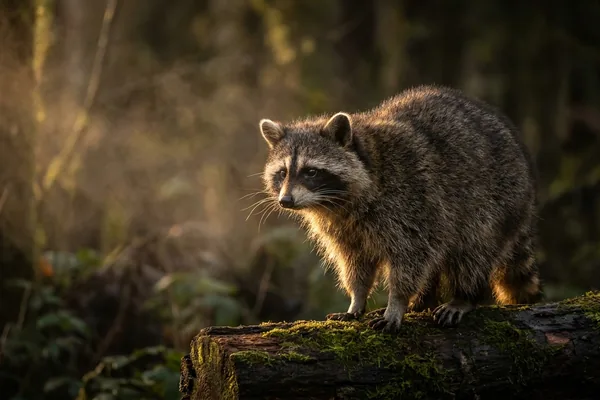
Raccoon
Raccoons do not wash their food.
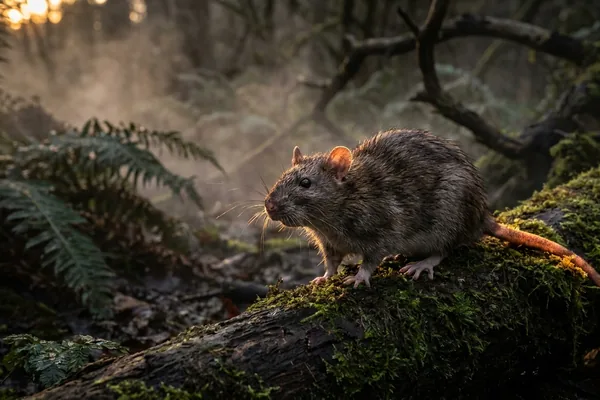
Rat
New York does not have one rat per person — that figure comes from a 1909 English estimate applied to a country it was never measured in.
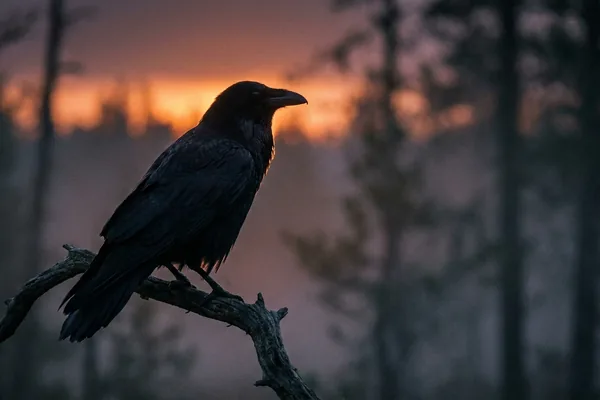
Raven
The common raven (Corvus corax) is one of the two largest passerines in the world, alongside Ethiopia's thick-billed raven, which averages heavier.
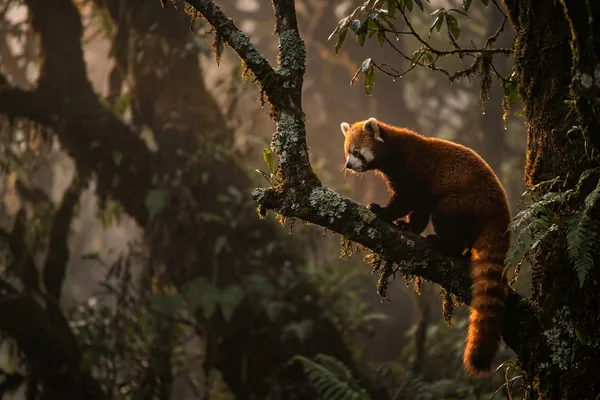
Red Panda
The red panda (Ailurus fulgens) is the only living member of the family Ailuridae, but it is not a lone branch — it sits in the superfamily Musteloid…
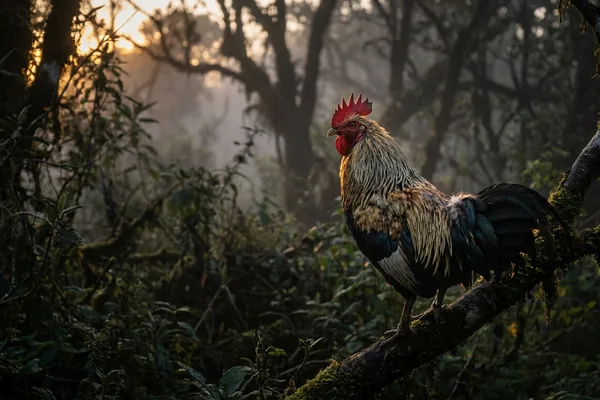
Rooster
A rooster is an adult male chicken, and it comes with a few surprises: its sense of smell and taste is weak, but its hearing is remarkably sharp, and…
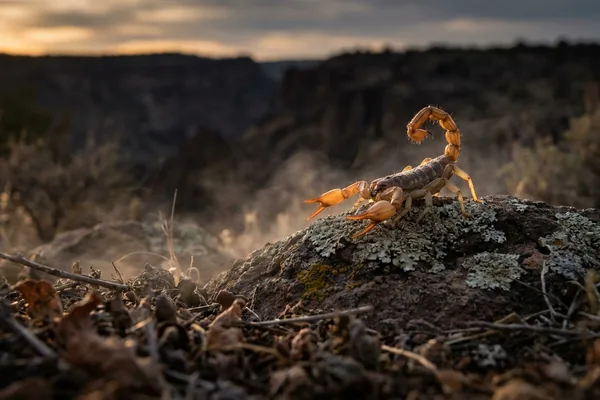
Scorpion
Scorpions have no bones at all — their bodies are held together by a hard chitin exoskeleton, the same material found in insect shells.
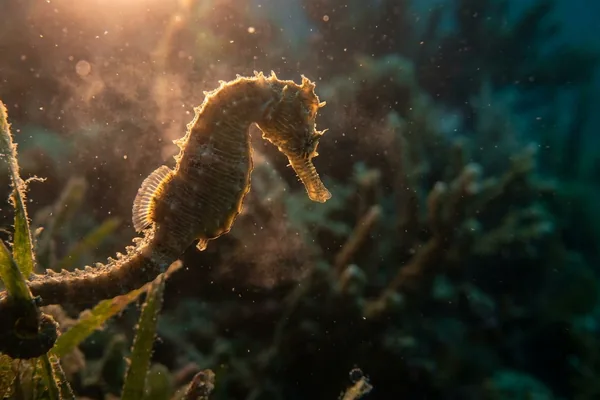
Seahorse
Seahorses are among the ocean's oddest fish: some pygmy species stay under an inch long as adults, and as a group they're the slowest swimmers of any…
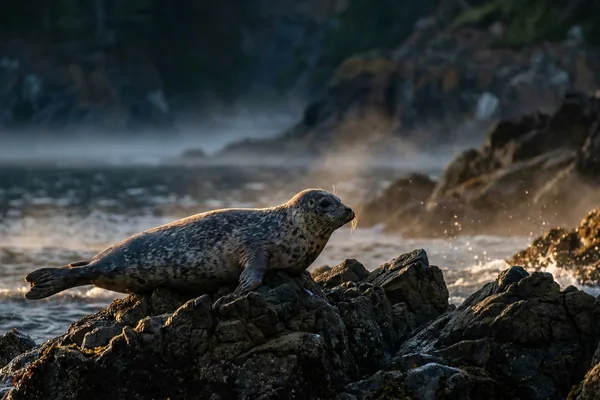
Seal
A seal's whiskers are sensitive enough to follow the wake a fish left behind seconds earlier, in the dark.
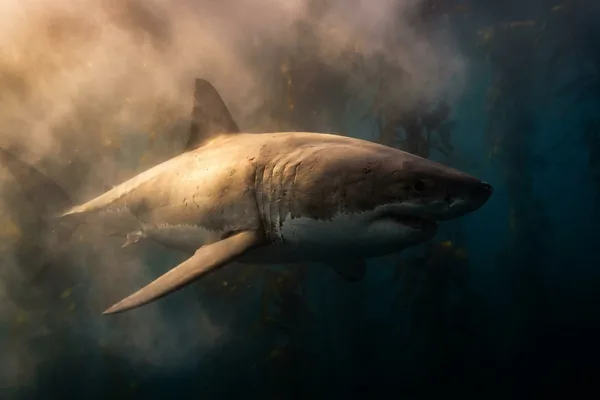
Shark
Sharks are ocean predators found worldwide — more than 400 species swim the seas, and a single jaw holds 5 to 15 rows of backup teeth that fall out r…

Snail
Snails are gastropods, the largest class of molluscs, with roughly 40,000–90,000 living species described and at least 13,000 extant and fossil gener…
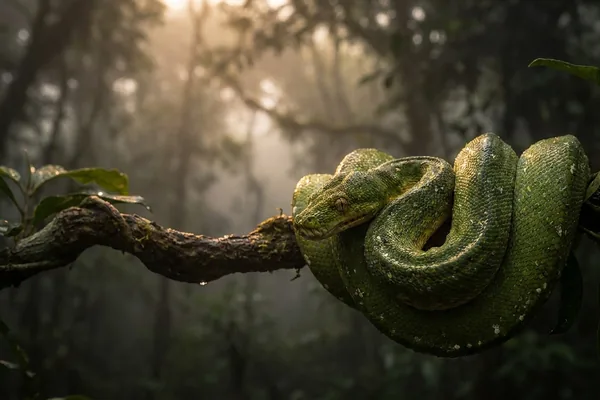
Snake
Snakes have no eyelids and never blink, and their famous flicking tongue is a scent-collecting tool, not a taste organ.
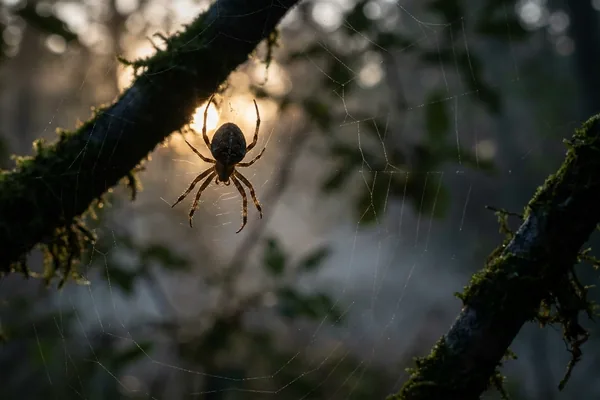
Spider
Brown recluse bites are diagnosed across North America and the spider lives in a limited part of it — most such diagnoses are something else.
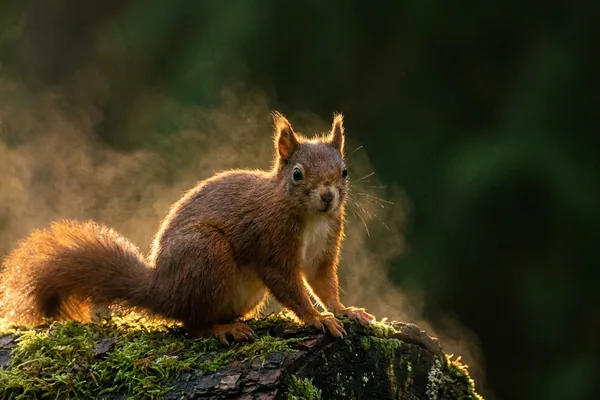
Squirrel
Squirrels make up a family of over 200 species that range from the tiny African pygmy squirrel, at just 5 inches long, to the Indian giant squirrel,…
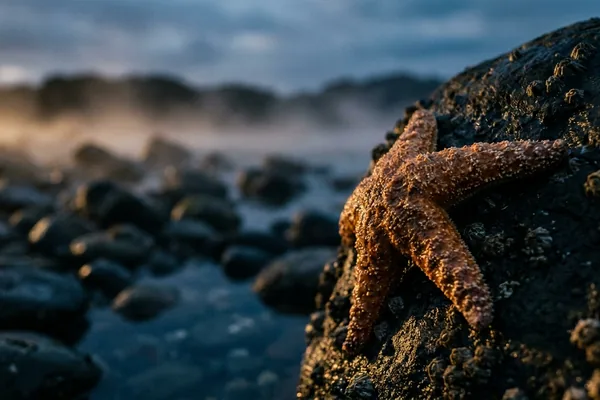
Starfish
Starfish are echinoderms, not fish: about 2,000 species, all of them marine, none in fresh water.
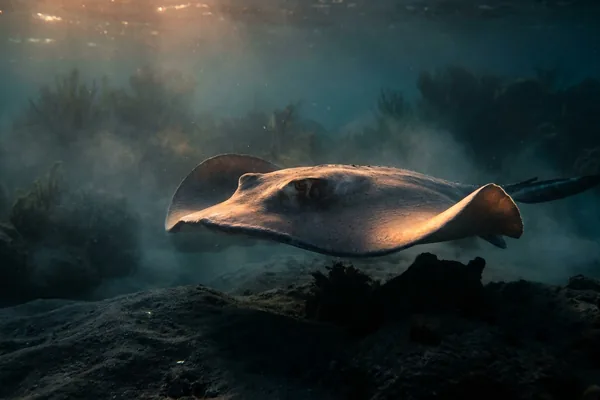
Stingray
Stingrays are cartilaginous fish of the order Myliobatiformes, elasmobranchs like sharks; roughly 630 rays and skates are split across 18 families, a…
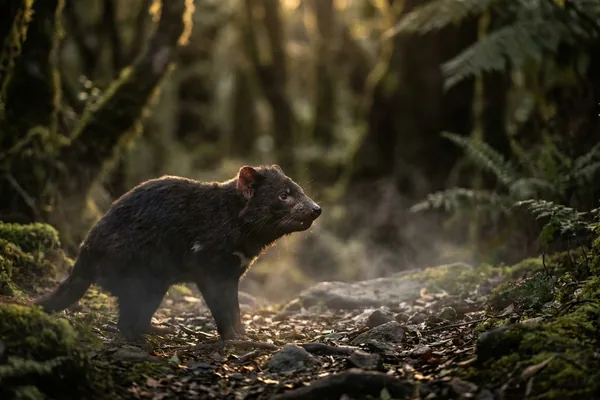
Tasmanian Devil
The wide-open, teeth-baring gape that made the Tasmanian devil famous is a sign of fear and uncertainty, not aggression.
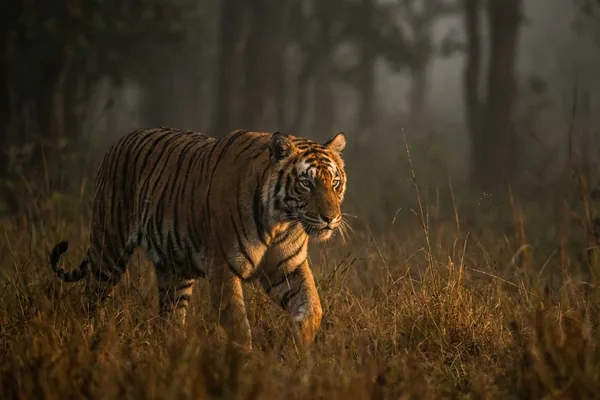
Tiger
Tigers are the largest wild cats on Earth, with bodies stretching up to 9.2 feet plus a 2-3 foot tail, yet only 3,000 to 4,500 remain in the wild tod…
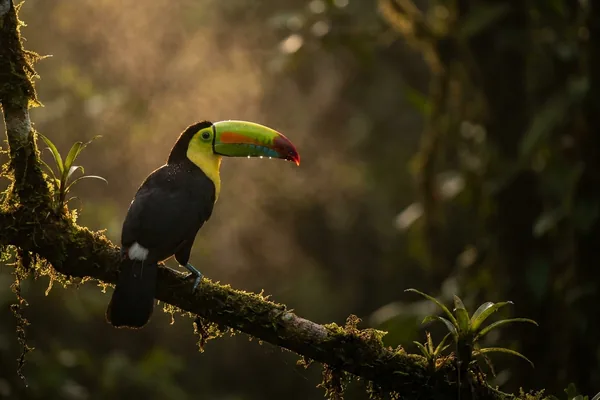
Toucan
Toucans are Neotropical birds in the family Ramphastidae, order Piciformes — roughly 34–41 species in 5–6 genera depending on the authority.
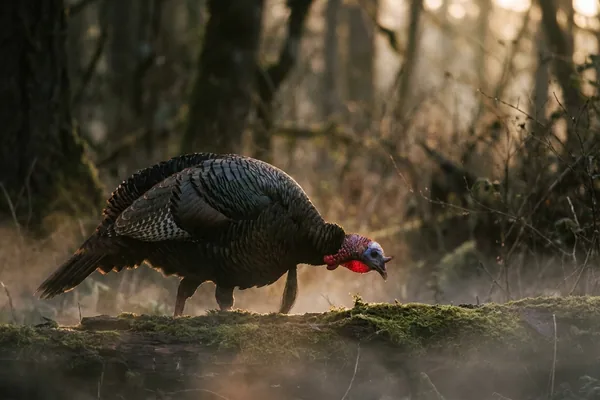
Turkey
The wild turkey, Meleagris gallopavo, has six recognised subspecies; toms weigh 6.8–11 kg and have been recorded flying at 88.5 km/h in short bursts.
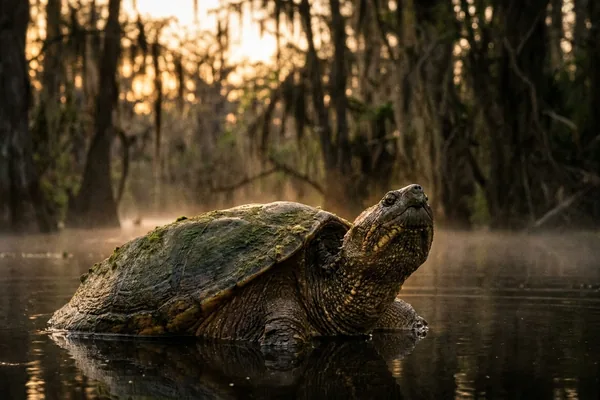
Turtle
Turtles have no vocal cords and no external ears, yet they communicate by gulping or expelling air and can pick up low-pitched vibrations around them.
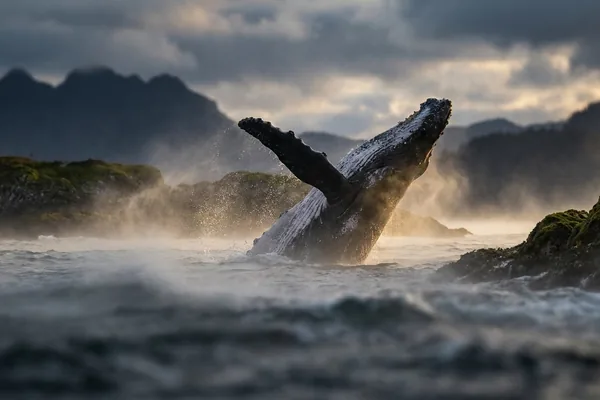
Whale
A blue whale reaches about 31 metres and a nursing calf gains almost 200 pounds a day.
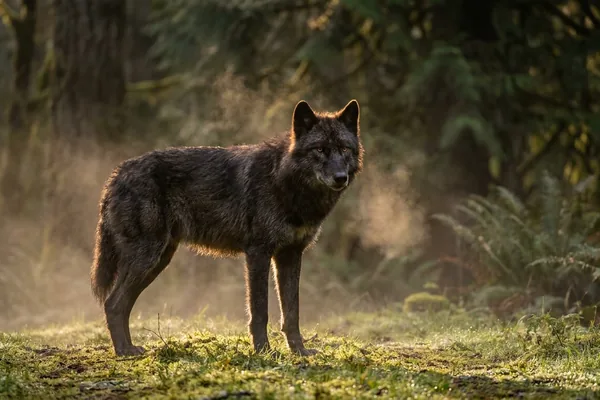
Wolf
Wolves are the largest wild canine species and live, travel, and hunt together in social packs.
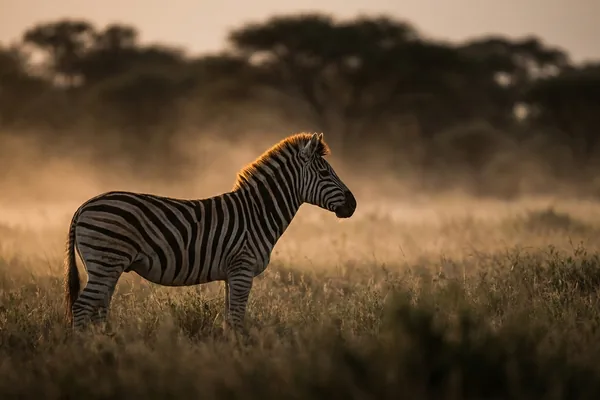
Zebra
A zebra's skin is uniformly dark — the white bands are where pigment is switched off — so black with white stripes is the closer description.