Animal Facts
Bear Facts & Trivia: Fascinating Things to Know
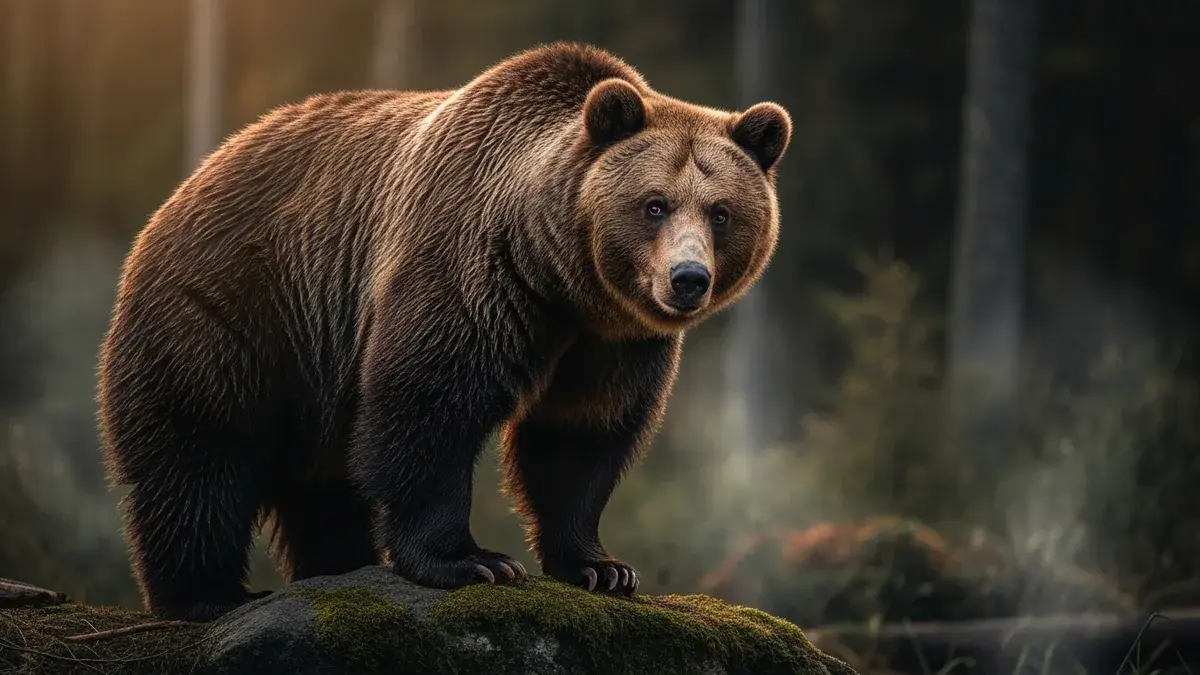
Bears pack surprising extremes into one body: they can hibernate for around seven months without eating, sprint up to 40 mph, and some can swim as far as 60 miles without stopping. Of the eight living bear species, six are at risk of extinction — and the "koala bear" isn't a bear at all, but a marsupial. Real bears have become famous too, like Smokey Bear, an actual rescued cub who went on to live at Washington D.C.'s National Zoo.
An almanac
- Species
- 8 recognized species
- Top speed
- ~40 mph
- Hibernation
- ~7 months without food
- Swimming range
- Up to 60 miles (polar bears)
- Largest species
- Brown bear
- Conservation status
- 6 of 8 species endangered
Few animals mix raw strength with real tenderness like the bear. Beneath that shaggy coat is an animal with a nose sharper than a bloodhound's, a memory to rival an elephant's, and a family bond it will fight to protect. Here's a look at what makes bears so unusual — plus the pop-culture bears that turned them into household names.
Fascinating Bear Facts
Bears belong to the family Ursidae, part of the order Carnivora. Scientists recognize eight species worldwide: the giant panda (Ailuropoda melanoleuca), sun bear, sloth bear, spectacled bear, American black bear, brown bear, polar bear, and Asiatic black bear.
Of those eight, six are considered at risk of extinction; only the American black bear and the brown bear are not endangered. The brown bear is the largest of all bear species. And if you were about to bring up the "koala bear," it's not a bear at all, but a marsupial.
Bears are built for both power and patience. They're omnivores that can sprint up to 40 miles per hour, yet during hibernation they go roughly seven months without eating. Their sense of smell, sight, and hearing are sharp enough to pick up food, family, or danger from miles away.
Polar bears put that stamina to work in the water, capable of swimming as far as 60 miles without stopping, while certain Asiatic bear species take the opposite approach and build nests up in the trees to rest and hide.
Bears are smart and, it turns out, emotional. Researchers describe an internal sense of direction close to built-in navigation and long-term memory on par with an elephant's, which tracks with a brain-to-body size ratio larger than average. That intelligence comes with real devotion — bears will fight to the death to defend a cub or sibling, and orphaned cubs have been recorded grieving audibly, sometimes for weeks, after losing their mother.
One of the earliest written accounts of a grizzly bear encounter in North America comes from explorer Meriwether Lewis's journals in the early 1800s.
- Eight living bear species exist, and six face extinction risk.
- Only brown bears and American black bears are not endangered.
- The brown bear is the largest of all bear species.
- A "koala bear" isn't a bear — it's a marsupial.
- Bears can reach speeds of about 40 mph despite their bulk.
- Hibernating bears may go around seven months without eating.
- Polar bears can swim up to 60 miles in a single stretch.
- Some Asiatic bears sleep in nests built high in trees.
- Bears rely on outstanding smell, sight, and hearing to survive.
- Cubs have been known to mourn a lost mother for weeks.
Bears in Movies, TV & Music
Hollywood and TV have long had a soft spot for bears. The 1967 series Gentle Ben followed a Florida game warden's family and their tame pet bear, and the big screen followed with The Jungle Book (1967), The Bear (1988), The Edge (1997), Brother Bear (2003), Kung Fu Panda (2008), and Yogi Bear (2010) — bears on screen for more than four decades running.
Musicians have leaned in too, with tracks like "Bear Necessities" from The Jungle Book, Elvis Presley's "Teddy Bear," Johnny Preston's "Running Bear," and Ted Nugent's "Fred Bear" all putting bears front and center in song.
Famous Bears
No bear is more recognizable in the U.S. than Smokey Bear, the mascot of the U.S. Forest Service — and Smokey wasn't just a drawing. He began as a real cub rescued after surviving burns in a New Mexico forest fire, and he went on to live out his years as one of the most-visited residents of Washington D.C.'s National Zoo.
Fiction and advertising have given us plenty more memorable bears: Winnie the Pooh and Paddington Bear from their classic storybooks, Baloo from The Jungle Book, Po the Kung Fu Panda, Fozzie Bear from The Muppets, Corduroy from his namesake book, Little Bear, the cartoon Berenstain Bears, Yogi Bear and Boo-Boo from their TV show, and the Coca-Cola polar bears from decades of commercials.
Add Teddy Ruxpin from the animated toy commercials and Japan's koala-based cartoon Noozles to the list, and bears turn up pretty much everywhere in pop culture.
Frequently Asked Questions
How many species of bears are there?
There are eight recognized bear species: the giant panda, sun bear, sloth bear, spectacled bear, American black bear, brown bear, polar bear, and Asiatic black bear.
Are all bear species endangered?
No. Six of the eight bear species are considered at risk of extinction, but the American black bear and the brown bear are not classified as endangered.
Who was the real Smokey Bear?
Smokey Bear, the U.S. Forest Service mascot, was based on a real cub found injured after a forest fire in New Mexico. He was nursed back to health and later lived at the National Zoo in Washington D.C., where he became one of its most popular residents.
More about the Bear
More from Animal Facts
Not sure which animal is yours?
Consult the quiz