Mythical Creature
Kongamato Symbolism & Meaning
The pterosaur-like river cryptid that teaches patient watchfulness before the decisive strike.
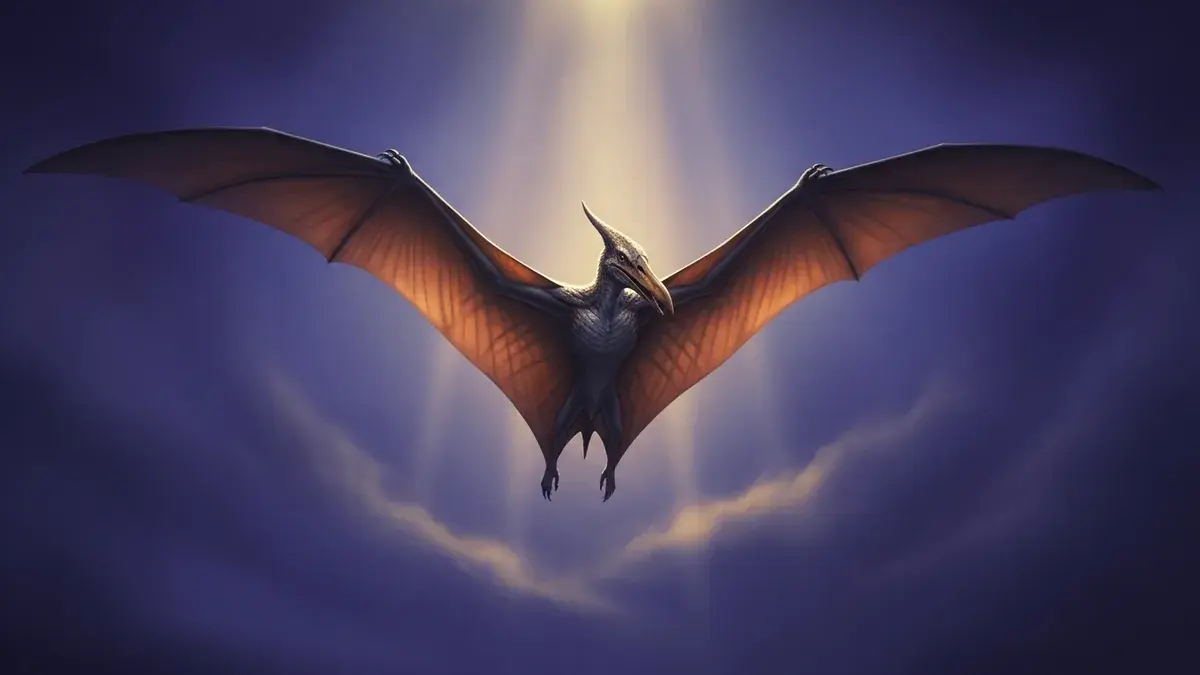
The Kongamato symbolizes patience and sharp observation that end in a decisive, well-timed strike. Its meaning also stretches to ascension and spiritual wisdom, with a darker undercurrent of scavenging and divine justice in some traditions. As a spirit animal it signals that the watching and waiting is over and it's time to act; in dreams, a lone flying Kongamato points to a need for solitude and recharging.
An almanac
- Core message
- The waiting is over, act now
- Spirit animal
- Signals it's time to stop watching and move
- Totem for
- Natural spiritual leaders and healers
- Power animal
- Big-picture perspective and perfect timing
- In dreams
- Points to a need for solitude and recharging
- Element
- Air
- Reported wingspan
- About 4 to 7 feet by most eyewitness accounts
- First recorded
- 1923, in Frank Melland's In Witchbound Africa
Out of the humid river country of East-Central Africa flies a creature whispered about for generations: the Kongamato, a leathery-winged beast said to resemble a living pterodactyl. Its name and its legend carry warnings about respecting hidden power, and its symbolism speaks to anyone who needs to stop circling overhead and finally act. Trace its folklore, its meaning as a spirit guide, and what it whispers through your dreams.
Origins & Symbolism
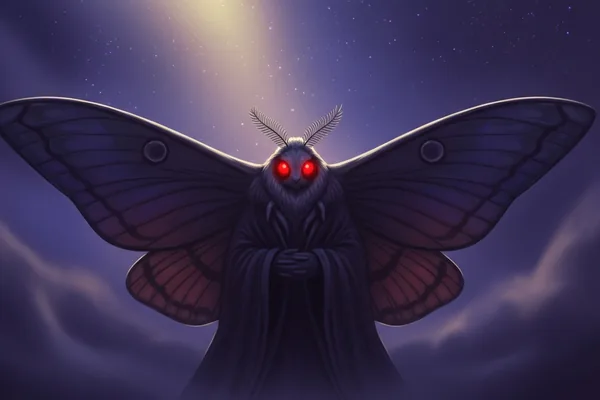
The Kongamato is described by those who claim to have encountered it as strikingly similar to the pterosaurs that once ruled prehistoric skies — a featherless, reptilian flier with taut, bony wings, red leathery skin closer to a bat's than a bird's, a short tail, a long neck, and a narrow, tooth-lined beak.
Some accounts lean toward a more lizard-like build, which is why exploring Bat and Lizard symbolism can add extra shading to what the Kongamato represents as a guide.
The creature entered Western record through explorer Frank Welland's 1930s book In Witchbound Africa, which linked it firmly to magic, mystery, and the unexplained. Its very name translates to "the overwhelmer of boats," and river travelers historically left offerings to keep the beast appeased, or wore protective charms known as muchi wa kangamato to guard against the floods it was said to summon.
Many Zambian traditions don't frame the Kongamato as a demon at all; instead, they treat it as a genuinely fierce natural predator that deserves both fear and respect.
Other regional names deepen the picture: - Sasabonsam — the Ghanaian name meaning "evil spirit," describing a tree-dwelling, long-clawed, vampire-like ambusher that drops on unwary travelers. - Olitiau — from Ipulo words meaning "the forked one," a term tied to ceremonial masks used in ritual dances representing demons.
Together these traditions give the Kongamato its layered symbolism: patience, sharp observation, camouflage, the element of surprise, and a darker undercurrent of predatory or vampiric hunger. Wingspan estimates in the lore range from five to seven feet — five linking the creature to the elements, seven lending it associations with higher spiritual wisdom and creation.
Because it flies, the Kongamato is also a symbol of ascension and connection to the spirit realm. Some tales link it loosely to dragon lore: communities that both revered and feared its attacks, or stories of it disturbing improper burials to feed on remains. Those details add scavenging, divine wrath, and justice to its meaning.
Kongamato as a Spirit Animal
When the Kongamato shows up as a spirit animal, it arrives with a message: the waiting is over. Just as the creature perches high in the treetops, patiently watching the river below before swooping down, its appearance in your life signals that you've observed long enough — it's time to move.
This guide is especially suited to helping you: - Push past fear or emotional blocks holding you back from stepping outside your comfort zone - Reconnect with the element of Air and let your thoughts and ideas flow more freely - Gain clarity and release emotional baggage that's weighing you down - Break free from repeating painful chapters of your own history
If you feel stuck reliving a story that no longer serves you, the Kongamato encourages you to climb out of that emotional mire, put the past to rest properly, and stop letting it shadow the life ahead of you.
Kongamato as a Totem Animal
Those born with Kongamato as a totem tend to make natural spiritual leaders, comfortable stepping into roles that call for guidance, counsel, or teaching — many feel drawn toward holistic healing work in particular.
People with this birth totem typically: - Prefer to go with the flow and move at their own unhurried pace - Feel most alive when engaged in something intellectually stimulating - Show real patience paired with keen observation skills - Carry a streak of mischief or playfulness - Dream boldly and expect to succeed at what they set out to do - Bring vitality and charisma to any gathering, often becoming the center of it
That same confidence can occasionally read as intimidating — a Kongamato person's natural sense of power and self-assurance is not always easy for others to stand near.
Kongamato as a Power Animal
Call on the Kongamato when you need to understand a situation or relationship from a higher vantage point. Just as the creature rests in the treetops before soaring skyward, it helps you rise above the noise for a clearer, wider view of what's really going on — useful when you're weighing an argument from multiple sides or choosing between competing options.
Invoke this power animal when you want to: - Gain an aerial, big-picture perspective before deciding - Withdraw from the crowd, resist herd mentality, or simply recharge in solitude - Sharpen your sense of timing so you know exactly when to act on an opportunity - Dig beneath the surface of facts and information to find what truly deserves your attention
Despite its size, the Kongamato is rarely seen — a reminder that elusiveness and quiet timing are themselves forms of power.
Kongamato in Dreams
Dreaming of a large, red Kongamato flying alone suggests a need for solitude — consider meditation, prayer, quiet reflection, or a short retreat to restore your energy and improve your mood, while easing back on social obligations for a while.
When the creature appears circling in your dream, direction matters: - Clockwise circling points toward good fortune touching your family and close friends. - Counterclockwise circling is a nudge to slow down, or a sign you may be dwelling too much on the past and wishing you could turn back time.
However it appears, the Kongamato invites you to stay open to instinct and to let your truer, wilder self come forward.
Sightings, Expeditions & Skeptical Theories
Frank Melland's 1923 account was only the beginning of the Kongamato's paper trail. Two years later, press correspondent J. Ward Price recorded a report while traveling with the future King Edward VIII through the British colonies of Africa, which added a royal footnote to the legend. In 1932, naturalist Gerald Russell and cryptozoologist Ivan T. Sanderson claimed to have sighted a Kongamato together in Cameroon — the encounter most often cited as evidence the creature roamed beyond Zambia's borders.
More reports followed: engineer J.P.F. Brown described sightings from Zaire in 1956, and in 1957 a man arrived at a nearby hospital with severe chest injuries, insisting a large bird had attacked him in the Bangweulu Swamps. When doctors asked him to sketch his attacker, he drew the unmistakable outline of a pterosaur.
No photograph of the Kongamato has ever surfaced, which is part of what keeps the legend alive as pure oral testimony and injury rather than proof. Skeptics have offered down-to-earth alternatives — a surviving Rhamphorhynchus-type reptile, an unusually large and misidentified bird such as the saddle-billed stork, or an oversized species of bat. None of these explanations has been confirmed, and none has managed to fully retire the older story either.
Spiritually, that unresolved space between skepticism and testimony suits the Kongamato well. It is a creature rarely seen and never quite proven, and that elusiveness carries the same lesson as its symbolism: patience, timing, and staying hidden until the moment truly calls for you to appear.
Frequently Asked Questions
What does the Kongamato symbolize?
The Kongamato symbolizes patience, sharp observation, camouflage, and the power of a well-timed strike. Its meaning also stretches to ascension and spiritual wisdom, with some traditions attaching a darker layer of scavenging and divine justice.
Where does the Kongamato legend come from?
The Kongamato is a cryptid from East-Central Africa, described as resembling a pterodactyl. Explorer Frank Melland's 1923 book In Witch-Bound Africa brought it wider attention, and it's also known regionally as Sasabonsam in Ghana, with the related Olitiau reported by naturalist Ivan T. Sanderson in the British Cameroons.
What does it mean to dream about a Kongamato?
A lone flying Kongamato in a dream often signals a need for solitude and recharging. If it circles clockwise, it suggests good fortune for family and friends; circling counterclockwise hints that you may be dwelling on the past.
Has anyone besides Frank Melland reported seeing a Kongamato?
Yes. Press correspondent J. Ward Price recorded an account in 1925 while traveling with the future King Edward VIII, naturalist Gerald Russell and cryptozoologist Ivan T. Sanderson claimed a joint sighting in Cameroon in 1932, and engineer J.P.F. Brown reported encounters from Zaire in 1956, followed by a 1957 hospital case in which an injured man sketched a pterosaur-like attacker.
Is there a scientific explanation for the Kongamato?
Skeptics have proposed several down-to-earth possibilities, including a surviving Rhamphorhynchus-type reptile, a large misidentified bird such as the saddle-billed stork, or an oversized species of bat. No photographic evidence exists for the creature, so none of these theories has been proven, and the legend remains unresolved.
Sources
Claims on this page were checked against these published sources.
- Kongamato
The kongamato is said to have a wingspan of approximately 1.20 to 2.10 meters.
Read the source → - Sasabonsam
a vampire-like folkloric being... lives in trees, attacking from above... bat-like features, including wings which can be nearly 20 feet wide
Read the source →