Mythical Creature
Cetan Symbolism & Meaning
The Lakota Spirit of the Hawk: sharp-eyed, quick to act, and moving easily between earth and sky.
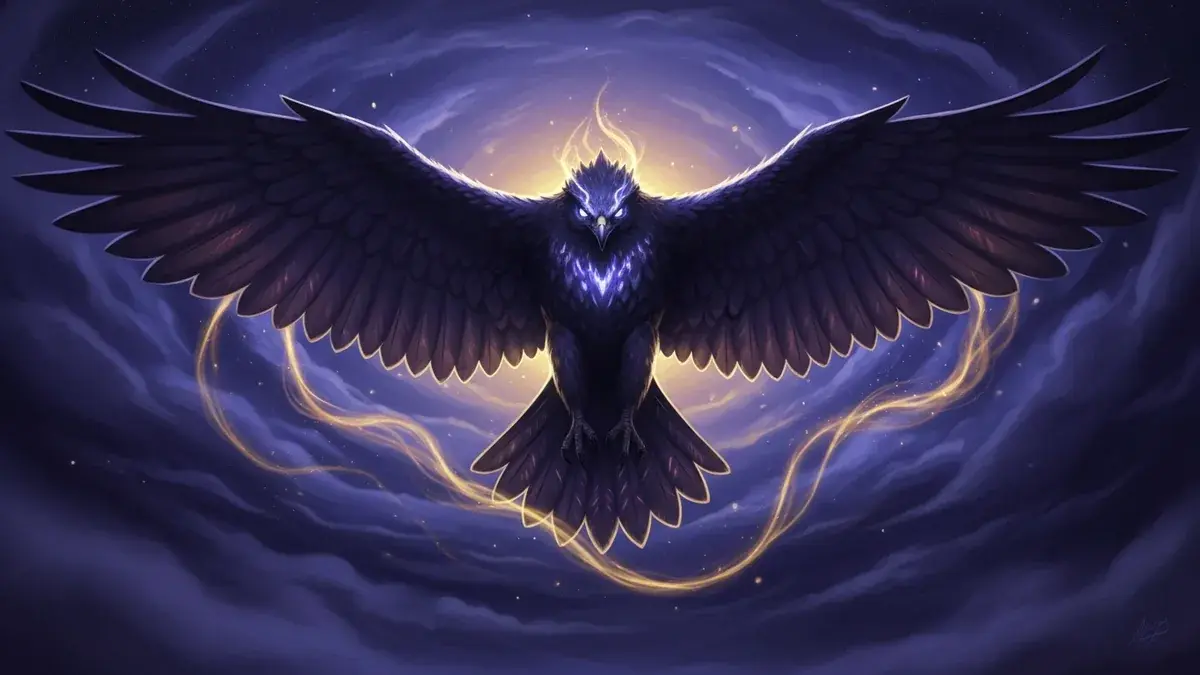
As a spirit animal, Cetan — the Lakota "Spirit of the Hawk" — symbolizes sharp perception, easy movement through change, and action taken at exactly the right moment. It bridges earth and sky: a guide toward the spirit realm, and a reminder to stay alert to danger on the ground. Cetan asks you to pair careful observation with bold timing, especially when you feel stuck or need to restore balance in your life.
An almanac
- Core message
- Sharper perception, bolder timing, bridging earth and sky
- Spirit animal
- Sharpen awareness, plan before you act
- Totem for
- Quiet observers with sharp intuition and natural leadership
- Power animal
- Restoring balance between inner and outer worlds
- In dreams
- Soul-level work and a search for purpose
- Cultural roots
- Lakota Spirit of the Hawk, echoed in Celtic hawk-lore
- Sacred direction
- East - dawn, wisdom, new beginnings (Lakota)
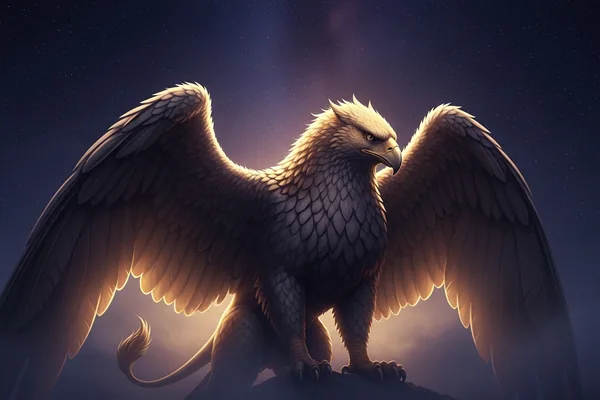
Cetan — pronounced Čhetáŋ — is a legendary bird spirit from Lakota oral tradition, known as the "Spirit of the Hawk." Cetan was born of myth rather than the physical world, but it shares so much with the everyday hawk that its story and the hawk's own symbolism run side by side. If you're drawn to this creature, it's likely pointing you toward sharper perception, bolder timing, and a bridge between the grounded world and the realm of spirit.
Cetan Symbolism & Meaning
Cetan comes from the Lakota, one of many Native American nations that hold the hawk sacred. Its name reflects that: Cetan simply means the Spirit of the Hawk. The creature is understood as more than an ordinary animal, but real hawks still shed light on it, since the two are so closely linked in flight and form.
Both the physical hawk and the mythic Cetan move through the air with the same effortless grace. That kind of flight has long stood for:
- Poise and self-assurance
- Independence
- Rising above circumstances
- Smooth transitions
- Ease of movement through change
What sets Cetan apart from an ordinary hawk is its otherworldly reach. A hawk is nature's finest flier; Cetan is said to soar into the star-filled sky itself. That makes it a fitting companion for anyone trying to reach the spirit realm, connect with the divine, or work alongside guardians, angels, and ascended teachers.
In some traditions, spotting Cetan is treated as a warning — a hint that trouble may be approaching. This comes from Cetan's tie to both air and earth: the creature travels the sky while still reading what happens on the ground below, so it's credited with a full awareness of both realms.
That vantage point is why Cetan is often cast as a guardian of people, one who senses danger early and passes the warning along.
Cetan's roots also tie into the Lakota understanding of the four sacred directions. East, called Wiyóhiŋyaŋpata, is the direction of dawn, marked by the color yellow, and understood as the source of wisdom and clear sight — the point where "light dawns in the morning and spreads over the earth." Traditional Lakota people pray facing east at daybreak, asking for the same clarity Cetan is said to carry on its wings. In Lakota thought, the hawk's keen-eyed watchfulness isn't just a metaphor — it reflects the wisdom tied to the East itself.
Cetan Spirit Animal
When Cetan shows up as a Spirit Animal, it usually means you need to sharpen your awareness or map out a plan before you act. The creature climbs and drops through the sky like a seasoned flier, recalculating direction in an instant, yet it also knows how to go quiet and hold still when the moment calls for patience instead of motion.
As a guide, Cetan teaches that careful observation paired with decisive action is what moves a stuck situation forward. If you feel trapped in a relationship or boxed in emotionally, Cetan may surface to help you find a way out.
Grace under pressure is one of this spirit's defining traits. It doesn't just show you the exit — it steadies you emotionally as you work your way toward better circumstances. And when life has stalled entirely, Cetan's swiftness in the air becomes a nudge to shake off stagnant energy and welcome a change.
Cetan Totem Animal
People born under Cetan as a Totem tend to be quiet observers with unusually sharp instincts. You might blend into a crowded room, but you take in far more than anyone realizes, and every detail sharpens an intuition you already have in abundance. That perceptiveness can even unsettle others, who sense you understand more than you should.
Leadership tends to find you early, whether that's an unofficial role among friends or an actual title in school, and it usually carries into your career, where colleagues see you as steady even when everything around you isn't. You handle upheaval with a composed grace that others notice and want to imitate.
With Cetan as your Totem, connecting to the Universe or the spirit realm tends to come naturally. Many with this totem lean into that gift by becoming psychics, mediums, or spiritual guides, driven by a genuine wish to lift others up, especially anyone struggling or overlooked.
Cetan Power Animal
Turn to the Cetan power animal when your life feels out of balance and you need to restore harmony across every part of it. Cetan's dominion over both air and earth mirrors the old Hermetic idea of "as above, so below" — the notion that inner and outer worlds reflect one another. Cetan, in other words, supports anyone trying to align what's happening internally with what's showing up in the world around them.
Invoke this creature when you're ready to see past the fog surrounding your future. Cetan climbs to astonishing heights and then dives with the same grace, and that same range suits it to help you explore your own subconscious. Reach for Cetan's energy when you want insight into past lives, your soul's deeper purpose, or the truest version of who you are.
Native American Cetan Symbolic Meanings
Hawk stories run throughout many Native American traditions, and they shape how Cetan is understood today.
- The Cheyenne tell of the Hawk and the Magpie winning humankind the right to eat buffalo.
- The Shawnee and Algonquin share the tale of Waupee, or "White Hawk," a hunter who falls for the youngest of twelve star maidens found dancing in a forest clearing. After they marry and have a child, she is pulled back to the heavens, and Waupee eventually follows with their son — the whole family transforms into white hawks so they can stay together. The legend speaks to devoted love, the pull of family, and the hawk's tie to shapeshifting and the meeting point between earth and the celestial realm.
- Arapaho legends cast the hawk as a rescuer and teacher, including a story where it saves a woman taken by sky spirits, and describe it elsewhere as a bringer of justice.
- Blackfoot stories use the hawk to call out arrogance and correct prideful behavior.
The hawk's importance also shows up in tribal identity: the Chippewa carry the Gekek (Hawk) Totem, the Hopi have a Sparrow Hawk Clan, and Hawk Clans exist among the Iroquois, Menominee, and New Mexico's Pueblo peoples as well.
That Blackfoot lesson has a name of its own — "The Falcon and the Duck," a folktale in which the hawk humbles a boastful duck for his bragging. The hawk also holds ceremonial standing among the Hopi, appearing as Palakwayo, the Red-tailed Hawk Kachina — one of the roughly 250 to 350 kachina spirits the Hopi recognize as embodiments of significant living things in their world.
Celtic Cetan Symbolic Meanings
Celtic tradition has its own version of hawk reverence: it calls the bird the "Great Hawk Spirit," an otherworldly messenger and omen. Seeing a hawk overhead was taken as a signal to raise your awareness, since it could foreshadow difficulty ahead.
Depending on the context, it might point to a coming death, a major life shift, or an approaching victory. Its appearance was also read as an invitation to look inward and let go of negative thoughts or intentions that no longer serve you.
Cetan Dreams
When Cetan appears in a dream, it's generally tied to the soul: a hint that inner work or a deeper search for purpose is on the horizon. The details of the dream shift the meaning:
- Circling overhead can warn of upcoming conflict or adversaries, or it may be urging you to view your situation from a wider angle, including someone else's perspective.
- Flying against wind suggests change that will ruffle you but that you'll still weather gracefully.
- Climbing higher points to advancement — at work, or on a more spiritual level, toward transcendence.
- Hunting reflects a need to nourish your mind, heart, or spirit.
- Diving after climbing signals quick, on-the-spot decisions or a sudden change of heart.
- Screeching announces a message arriving from the spirit world.
Egyptian Cetan Symbolic Meanings
Far from Lakota country, ancient Egypt built an entire cosmology around Cetan's raptor cousin, the falcon — a striking parallel to its sky-and-earth duality.
- Horus, one of the oldest deities in the Egyptian pantheon, was worshipped as a falcon-headed sky god; his right eye stood for the sun and his left for the moon.
- Egyptians believed the reigning pharaoh was Horus's living embodiment on earth. The falcon symbol was placed before the king's name to mark him as the earthly form of that cosmic power.
- When Upper and Lower Egypt were unified, Horus became the emblem of the newly joined nation, and sky-born authority was bound to earthly rule.
The echo with Cetan is hard to miss: both traditions cast a hawk-like sky being as the bridge between celestial power and human governance. The bird's high vantage point stood as proof of its right to watch over, and answer for, the world below.
Cetan and the Firehawk Legends of Fire
One of the hawk family's most startling reputations has nothing to do with dreams or destiny — it comes from real, documented behavior that Aboriginal Australians described in oral tradition long before scientists caught up.
- Ethno-ornithologists studying Australia's Northern Territory confirmed that Black Kites, Whistling Kites, and Brown Falcons — raptors Aboriginal communities and researchers alike call "firehawks" — deliberately carry burning sticks from wildfires to unburned grass to flush out fleeing prey.
- This fire-carrying behavior is woven into sacred ceremonies such as the Lorrkon and Yabuduruwa, where the raptors' actions are ritually reenacted as part of Aboriginal cosmology.
- The knowledge was passed down for generations before a 2017 study in the Journal of Ethnobiology gave it formal scientific confirmation.
It's a reminder that the hawk's reputation as a fire-bringer isn't only symbolic — in some corners of the world, it's simply what these birds do. Cetan's own gift for reading the ground from the sky and acting at exactly the right moment has a real match in these fire-wise raptors half a world away.
Frequently Asked Questions
What does Cetan symbolize?
Cetan, the Lakota "Spirit of the Hawk," symbolizes keen vision, graceful movement through change, and the ability to bridge earth and sky. It ties closely to heightened awareness, decisive action, and access to the spirit realm.
What does it mean if Cetan is your Totem Animal?
If Cetan is your Birth Totem, you likely have exceptional observation skills and strong intuition, and leadership often comes naturally to you. Many with this totem also find they connect easily with the spirit realm and are drawn to helping or guiding others.
What does it mean to dream about Cetan?
A Cetan dream usually points to soul-level work or a search for purpose. The specific meaning shifts with the details — circling can warn of trouble ahead or urge a wider perspective, climbing suggests progress or transcendence, and screeching signals a message from the spirit world.
What does the hawk symbolize in Egyptian mythology?
In ancient Egypt, the falcon-headed god Horus was worshipped as a sky deity whose eyes stood for the sun and moon, and the reigning pharaoh was considered his living embodiment on earth. It's a different bird and a different tradition than Cetan's Lakota origins, but the parallel is striking: both cultures picture a hawk-like being that bridges sky and sovereignty and watches over the earth from above.
What is Palakwayo?
Palakwayo is the Hopi name for the Red-tailed Hawk Kachina, one of the roughly 250 to 350 kachina spirits the Hopi recognize as embodiments of significant living things in their world. Like Cetan, Palakwayo channels the hawk's role as a spirit presence that bridges the everyday and the sacred.
What direction is Cetan associated with in Lakota tradition?
Cetan's home culture ties the hawk to the East, called Wiyóhiŋyaŋpata, the direction of dawn, the color yellow, and wisdom. In Lakota belief, facing east at daybreak is a way of asking for the clarity and understanding that Cetan is said to carry in its keen-eyed flight.
Sources
Claims on this page were checked against these published sources.
- Cetan | Facts, Information, and Mythology
Cetan, Hawk Spirit, is regarded for speed, perseverance, a keen vision, and is associated with the East.
Read the source → - Čhetáŋ or Cetan, the Hawk Spirit
Cetan, the Hawk Spirit, is regarded for speed, perseverance, keen vision
Read the source → - Native American Indian Hawk Legends, Meaning and Symbolism from the Myths of Many Tribes
How the Buffalo Hunt Began: Cheyenne legend about how Magpie and Hawk won the right to eat buffalo for humans.
Read the source → - Star Maiden
Waupee chose a white hawk's feather and his wife and son followed his example. All three now became white hawks and spread their great wings.
Read the source → - Horus
He was originally portrayed as a hawk or falcon and worshipped as a sun god and creator of the sky. ... The pharaoh was considered the incarnation of Horus.
Read the source → - Birds, Feathers, and Hopi Ceremonialism
Red-tailed Hawk (Palakwayo)
Read the source → - Four Directions in Lakota Culture
East (Yellow) - Wiyóhiŋyaŋpata: The direction from which the sun comes. Light dawns in the morning and spreads over the earth. This is the beginning of a new day.
Read the source → - Intentional Fire-Spreading by "Firehawk" Raptors in Northern Australia
Observers report both solo and cooperative attempts, often successful, to spread wildfires intentionally via single-occasion or repeated transport of burning sticks... often represented in sacred ceremonies... widely known to local people in the Northern Territory.
Read the source →