Mammals · Spirit animal
Deer Spiritual Meaning & Symbolism
Gentle strength paired with the courage to move on and renew.
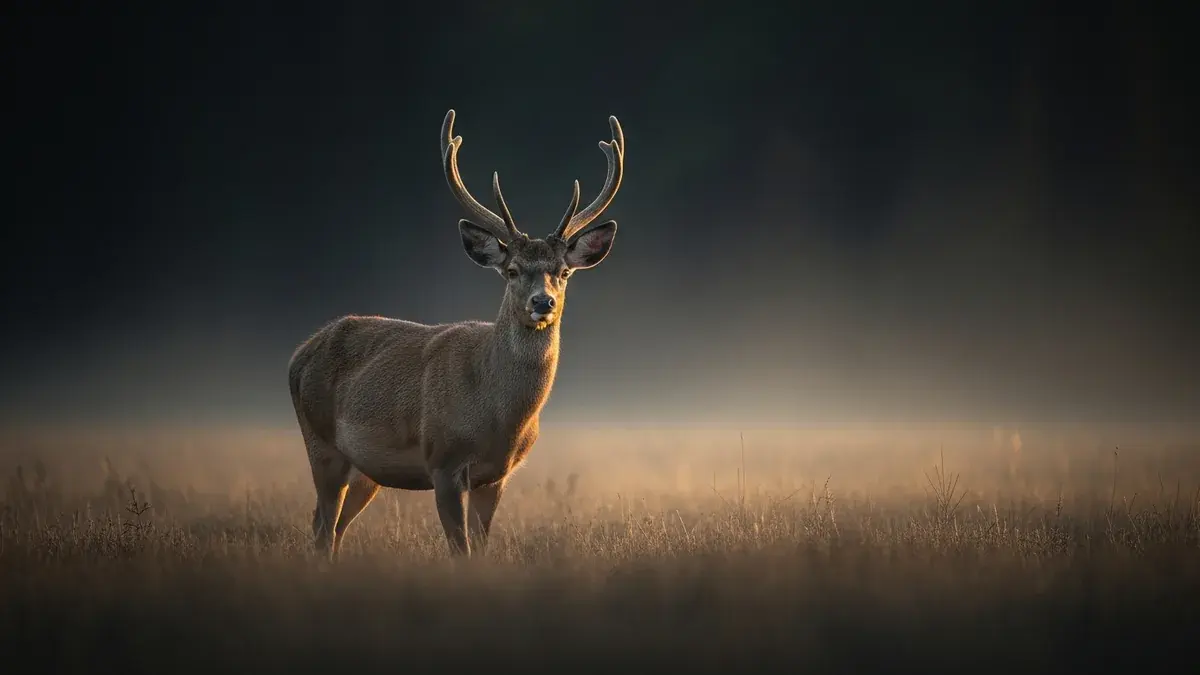
The deer spirit animal is linked with gentleness and strength. It calls us to live with softness in our hearts along with unwavering resolve. This means that we should be calm and gentle with ourselves and the world around us but also be brave, aware. The same way antlers fall off from a deer each year and regrow again helps remind us to let go of what is unnecessary in life.
Deer calls one to have compassion while staying alert without living in fear. In dreams, deer usually means returning to tenderness, becoming more intuitive, and a decision point in your life.
An almanac
- Core message
- Softness and strength are not opposites
- Spirit animal
- Restores love and compassion
- Totem for
- Quiet, loyal, instinct-led people
- Power animal
- Confidence through calm instinct
- In dreams
- Decision points and inner renewal
- Watch for
- Old habits ready to be shed
- In the wild
- Sprints ~30 mph, calm not panicked
Deer is an archetypal shape-shifter: it moves with delicate gentleness or explosive power, as needed. It can be both cautious and bold; fierce and mild. As a spirit animal, totemic symbol, and power animal, deer brings the energy of heart-led courage in quiet watchfulness that never needs to raise its voice. This combination is found among Celts, Native Americans, Imperial China.
Deer Symbolism & Meaning
In every culture deer are admired as symbols of softness and inner strength. They keep their grace while they move through life’s dangers. When you see them, it reminds us of our inner child: someone who feels happiness from a flower or a peaceful morning meadow.
The energy in deer is close to the heart chakra: ambition should have love behind it. Seeing a deer gracefully and quickly moving away from danger shows how calm and controlled someone can stay when they are stressed.
To be gentle doesn’t make you weak, though – this animal has antlers that prove it’s strength! It also reminds us not to get comfortable with stale situations, even if these situations have kept us safe. The deer's cycles of losing its old antlers and then growing new ones is a symbol of renewal.
Deer Spirit Animal
When a deer appears as your spirit animal, it signals for you to restore some capacity for love and compassion in yourself. The point is not to stay stuck there, but to accept help from others so that part of you gets loosened up once again.
Real peace doesn't fix conflicts; rather it heals them all by itself more than any fight ever could. Setting your pride aside, trying to see a conflict from the other side, and letting go of much of your frustration can be steps in repairing a broken bond you thought was irreparably damaged.
A deer remains alert without tensing up or closing off to what's around it. Try matching that receptive stance to yourself and notice how it helps you perceive when bridges become possible again.
Does Deer fit you?
Tap the ones that sound like you — 6 traits, no right answer.
0 of 6 Nothing picked yet — start tapping.
Deer Totem Animal
Deer carry the symbolism of quiet strength, loyalty, and instinct. People with this spirit animal are grateful to those who helped them overcome the harder lessons that life has taught them. They make decisions quickly once they have reached an intuitive conclusion, even if they take a while to weigh all the options. As leaders, their influence is quietly compelling, as shown by their natural ability to mediate old conflicts and heal wounded communities.
Deer's remarkable vision allows them to see clearly in the dimmest light, so it makes sense that people who identify with this spirit animal can also navigate through dark circumstances and bring a group back home safely.
Deer Power Animal
It's helpful to turn to the energy of the deer whenever you feel stuck, unable to find a way out of a tangled situation or are hesitant about what step to take next. The energy of the deer helps sharpen your instinct for the safest path forward, so instead of feeling hesitant and uncertain, it gives you confidence.
If you're developing clairvoyant abilities, the energy of the deer can help you enter a quieter, more receptive state of mind and receive subtle messages that may point toward changes already in progress. The quiet stillness you experience by following deer's example helps calm any worry or fear about these new talents.
Across cultures
4 traditions — pick one to read its take.
Deer in Native American Symbolism
In some Native American traditions, before setting out on a hunt, they would ask that only those animals truly needed be taken, with no more than that.
In South America and parts of the American Southwest, many tribes saw the deer as a sacred symbol of stewardship over Earth. Many other Native Americans also thought it had the ability to maintain balance in nature, but that wasn't always their main role. Instead, they honored the ability to bring messages from their sacred world and share them with people.
Deer in Celtic Symbolism
In Celtic lore, deer are split into male and female versions. The female (hind) is said to move between our world and faerie lands, acting as a spiritual guide who helps us understand deeper truths. Meanwhile, the stag (male deer) carries masculine energy rooted firmly in Earth and forest. He’s called ruler of the woodland, protecting all creatures living beneath the trees.
Together these animals point out that deer wisdom contains both mystical otherworldly energies and grounded protective power.
Deer in Far Eastern Symbolism
In China, deer appear as symbols of good luck. That's because their name sounds like the word for an official salary—people believe they bring prosperity to those who wear or give them.
Deer also carry a long life association: You often see these animals painted alongside images of Shou. So people use pictures or other artistic representations of deer to wish someone more years on this planet.
Deer in Christian Symbolism
One of the most well-known passages from the book of Psalms is Psalm 42:1. Spiritual longing is like thirst that can be met only in a holy place. But there's another, wilder thread woven into the Christian story. Saint Eustace was out hunting when he saw a magnificent stag turn and face him. On its antlers glowed a vision of Christ on the cross, so compelling that Saint Eustace abandoned his old life for one in the clergy.
Deer in Dreams
Deer in dreams represent the side of you that wants to love others and take care of them: your own inner goddess. You've got all kinds of strength in your center, but you're also capable of great compassion, and this dream may be reminding you about what it feels like. Here are some common themes when deer show up: - a doe watching calmly: you'll get help from people around you - an antlered stag taking its ground: take the time to reflect on your feelings without acting out - a deer fleeing danger: you're afraid of something in your life, and it feels like a threat - crossing paths with a deer: the road ahead will have choices, and they'll lead somewhere different for everyone - an injured or dying deer: a situation that's closing but not necessarily ending
Deer in Astrology & Zodiac
If you were born between May 21st and June 20th, the Native American zodiac thinks that deer is your sign. People born under this sign have real strength but use it gently, because they genuinely want people in general to get along with one another. They have finely tuned senses, so even a little sound can wake them up — which can be good for quieting their minds in meditation by listening to and getting back into the rhythm of their own heartbeat.
Sound guides these people; if they hear something troubling them, it alerts them before anything happens, showing them which way they should move to avoid trouble. Still, deer-sign people aren't always running away from things: they highly value family and shared purpose, approaching most new people like potential friends until given a reason not to.
Deer Spiritual Meaning
Deer represents the ideal balance of softness and strength. If this animal comes into your life, it asks you to lead with an open heart but keep alert without giving in to fear.
You can still take action on an idea even if it took time to fully consider all options. Deer is also a sign for letting go what no longer serves you so you can grow back stronger.
This animal reminds us that genuine tenderness and grace under pressure can coexist, and that sometimes walking away from a stale situation is the bravest and most regenerative choice.
The White Stag: Nature's Rarest Omen
For centuries a white stag has been seen by hunters and wanderers in Europe—it was like a creature out of legend more than nature. This encounter always meant something: it drew people toward an unknown adventure or warning or threshold. In the past couple hundred years science has also studied white stags. They come from leucism, which affects skin and hair but not eyes, as opposed to albinism, which affects eyes as well as everything else.
There is a very large herd of white deer at the former Seneca Army Depot in New York where the fence keeps them all together so the trait can get passed down between generations.
Spiritually, this animal asks that you pay close attention because such moments come only once.
Deer's Speed & Stillness as a Spiritual Teacher
When you think about it, the deer's body makes a simple case for it to symbolize spiritual wisdom. Even without the religious stuff, this is an animal with amazing speed and agility. They can run nearly 30 miles per hour, for instance, and jump over obstacles as much as nine feet high or 30 feet forward.
Deer are graceful even at those high speeds. Their body looks calm when it's running like that. And in fact, deer keep their movements fluid and controlled, even in a hurry. When it needs to get away fast, the deer keeps its body under control, moving without panic. You should too: do things quickly but not frantically.
Deer can also be amazingly still and silent when they need to be. They lie very quietly for long periods of time, waiting for some danger to pass or for just the right moment to spring into action. Being ready to move fast doesn't keep them from being calm while they're at rest. You can do that too.
Deer Crossing Your Path, or Standing Still and Watching You
The meaning of a deer that crosses your path depends completely on what the animal does. If it keeps going without stopping to look at you, the encounter is a threshold — the passage from one state to another.
If the deer stops and looks at you before going on its way, that's an entirely different thing. The animal has assessed you and decided you're not dangerous, even though your instincts would tell you it should run away. This is why the meaning of this kind of deer encounter is usually positive.
The gentleness side to the symbolism can't be ignored because being calm means being alert. If a deer crosses in front of you at night, think about what could follow and how fast they'd travel as well. Don't assume it's just one animal if it stops briefly before continuing either; deer often travel in groups.
A Deer in Your Yard, and Finding a Dead Deer
A deer wandering around a yard or near someone’s house could be read as trust extended into your space. This is very significant because the whole survival strategy of these animals is to avoid people and keep their distance from them. Because they are not comfortable getting close, when that happens it could indicate something important.
Where a reading about this is needed, it would concern the household rather than the individual — a period of safety for everyone in the home or a suggestion that whatever had made things difficult for someone has become peaceful enough for a wary thing to approach. If the animal is a doe with a fawn, it’s read even more strongly as protection over what is young and new.
A dead deer found somewhere rather than killed by an accident or on purpose means something very sober. The common interpretation of this would be innocence encountering something that could not be defended against, so usually moral advice to protect what is gentle in your life is attached.
When a car hits a deer, there’s its own body of folk reading about this and it tends to be gentler than you’d expect: most traditions don’t treat this as guilt but as an accident carrying some message about slowing things down because something has been moving very fast without looking around to see what’s in front of it.
Frequently Asked Questions
What does it mean when a deer crosses your path?
If you see a deer crossing your path, many people read this as a sign to move carefully and deliberately through changes already in motion. When faced with a decision point, trusting your instincts can be more important than forcing an outcome. Many take the deer encounter as reassurance that the transition is unfolding the way it should.
Is deer a good spirit animal to have?
Deer as a spirit animal can signal heart-centered strength—the ability to be gentle and open-hearted even in the midst of hardship. You may hear this inner message encouraging you to live by compassion and instinct, letting go of what is out-of-balance for your soul.
What is the difference between a stag and a doe in symbolism?
Most symbol systems say that the male deer (stag) is about ground-level protection connected with forests and the Earth itself; it acts as a guardian of nature. A female deer (doe) is feminine and intuitive, often associated with fertility and nurturing. The Celtic tradition also ties her to transitions into other realms, like becoming part of the fairy realm.
What does it mean spiritually when you hit a deer with your car?
When people hit a deer in their car, it doesn't necessarily mean they're being sent a spiritual message about the deer itself; instead, the meaning is usually more personal and has to do with the way we've been living our lives. There are two basic interpretations of this kind of experience: first, that it's a call for us to slow down and be more mindful of what's happening around us so that we don't get into any unnecessary accidents; second, that when this kind of incident happens, it could mean that something important has ended unexpectedly before you were ready for it or willing to let go.
What does it mean to see a white deer?
A white deer of any size or sex is treated by most cultures as a very rare and powerful messenger. Biologically speaking, white colors are caused by leucism. The rarity of this condition may be exactly why you'd want to pay such close attention to whatever was happening right then.
Can seeing a deer be a sign from a loved one who has passed?
Deer have long been associated with gentleness and quiet watchfulness, which is why when one stops calmly and stares at a bereaved person, the person is likely to feel it's comforting reassurance that their loved one is still there. No one can prove that it's a coincidence, so many people choose to take comfort from it anyway.
What does it mean when a Deer stops and stares at you?
The reason deer stand staring at people is because they instinctively freeze when startled and then run away — so one who stays perfectly still must think you're not dangerous, especially since most traditions interpret that stance as inviting you to be still instead of scaring you off.
What does it mean when a Deer comes into your yard?
The appearance of deer in your yard signals trust and extended safety into your space. In readings, the presence of a deer usually has household meaning rather than an individual significance — that it will be safe at home, there is no longer cause for worry, or some new thing feels like it can get a foothold.
If you see a doe with her fawn, this is particularly significant: something young or newly established is protected.
Deer also represents
- Other animals that represent peace →Alongside Dove, Crane, Elephant, Turtle
- Other animals that represent rebirth and change →Alongside Butterfly, Snake, Dragonfly, Frog
- Other animals that represent healing →Alongside Snake, Dog, Bee, Frog
- Other animals that represent intuition →Alongside Owl, Cat, Wolf, Raven
Sources
Claims on this page were checked against these published sources.
- Antler
Antlers are shed and regrown each year and function primarily as objects of sexual attraction.
Read the source → - Deer
Deer also have a tapetum lucidum, which gives them sufficiently good night vision.
Read the source → - Cernunnos
Because of his persistent association with the natural world (for example, on the Gundestrup cauldron, where he is surrounded by various beasts), some scholars describe Cernunnos as the lord of animals or wild things.
Read the source → - White stag
They are considered to be messengers from the otherworld in some Celtic mythology
Read the source → - Carved in Jade: Eight Auspicious Animals in Chinese Art Deciphered
The deer is a pun for 'emolument' or 'salary', and symbolises Luxing, the God of Rank and Emolument.
Read the source → - Shou (character)
Other symbols in Chinese iconography that represent longevity include pine trees, cranes, spotted deer, special collectors' stones, peaches, and tortoises.
Read the source → - The Cherokee Natural World: Little Deer
when a hunter wounds one of our kind, he must offer a prayer asking pardon for taking our lives
Read the source → - Sun Bear (author)
were denounced and picketed by the American Indian Movement
Read the source → - Leucism
a wide variety of conditions that result in partial loss of pigmentation in an animal—causing white, pale, or patchy coloration of the skin, hair, feathers, scales, or cuticles, but not the eyes
Read the source → - White-tailed deer
entirely white except for the nose and hooves – not albino – in color... Seneca Army Depot has the largest known concentration of white deer
Read the source → - Psalm 42:1 (NIV)
As the deer pants for streams of water, so my soul pants for you, my God.
Read the source → - Saint Hubertus
Hubert was astounded to see a crucifix floating between its antlers... this stag story was only attributed to Saint Hubert in the 15th century—it was borrowed from the earlier legend of Saint Eustace
Read the source →