May Spirit Animal
The birth totems and star signs that govern May — and what each says about you.

If you were born in May, your Native American birth totem is Beaver (May 1–20) or Deer (May 21–31), depending on the exact day. The Beaver is a Turtle (Earth) totem (industrious, steady); the Deer is a Butterfly (Air) totem (quick-witted, playful). In Western astrology May covers Taurus (May 1–20) and Gemini (May 21–31).
May birth totems (Native American Medicine Wheel)
 BeaverMay 1–20 ·Turtle (Earth) clanPractical and determined, Beavers build things that last. You get things done your own way and value security, loyalty and a job well finished.industrioussteadystrategic
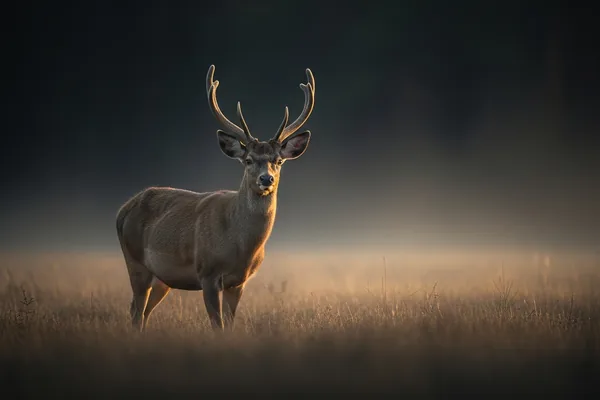 DeerMay 21–31 ·Butterfly (Air) clanLively and expressive, Deer light up a room. Curious and adaptable, you win people over with wit and warmth wherever you go.quick-wittedplayfulcharming
What each May totem actually means
Beaver — born May 1–20
Industrious dam-building energy that turns patient, cooperative effort into a lasting home.
Beavers represent industriousness, taking care of business, and choosing actions over dreams and ideas. They show us how to manifest our most ambitious projects with focus, patience, and flexibility—especially at home and where we're supposed to get things done together rather than alone. Beavers remind us there is no shortcut to success—it takes commitment and dedication—and often when we allow ourselves to reflect, refine, and make changes along the way, we end up with something greater. If a beaver appears in your life, set your mind to accomplishing what must be done.
Native American Beaver Symbolism
According to many Indian oral histories, the beaver is an admirable hard-working guardian, not just a resourceful and useful creature. For instance, to the Blackfoot people, the beaver represents intelligence associated with important rituals such as smoking the sacred pipe.
Deer — born May 21–31
Gentle strength paired with the courage to move on and renew.
The deer spirit animal is linked with gentleness and strength. It calls us to live with softness in our hearts along with unwavering resolve. This means that we should be calm and gentle with ourselves and the world around us but also be brave, aware. The same way antlers fall off from a deer each year and regrow again helps remind us to let go of what is unnecessary in life. Deer calls one to have compassion while staying alert without living in fear. In dreams, deer usually means returning to tenderness, becoming more intuitive, and a decision point in your life.
Deer in Native American Symbolism
In some Native American traditions, before setting out on a hunt, they would ask that only those animals truly needed be taken, with no more than that.
May star signs and their animals
Western astrology splits May between Taurus and Gemini. Several zodiac signs are animals in their own right, with a symbolism of their own — and every sign, including the four whose symbol is not an animal, has a spirit animal matched to it:
- TaurusMay 1–20
- the Bull — read the Bull meaning
the Taurus spirit animal - GeminiMay 21–31
- the Twins
the Gemini spirit animal
Which one is really yours?
If your birthday falls in the first part of May, you carry Beaver; from May 21 onward the totem changes to Deer. People born within a day or two of that change often recognise themselves in both — the Medicine Wheel treats those boundaries as a blend rather than a hard line.
A birth totem describes the temperament you arrived with. It is not the same as a spirit animal that shows up during a particular season of your life — that one can change, and often does.
Frequently Asked Questions
What is the spirit animal for May?
May has two, split by date. Births from May 1 to 20 carry Beaver, of the Turtle (Earth) clan (industrious, steady, strategic). From 21 onward the totem is Deer, of the Butterfly (Air) clan (quick-witted, playful, charming).
Why does May have two spirit animals?
The Medicine Wheel divides the year into twelve birth-totem periods that run from roughly the 20th of one month to the 20th of the next, so they never line up with calendar months. Every month therefore straddles two totems — in May, Beaver and Deer.
Is the May birth totem the same as my star sign?
No. They are two separate systems. The Native American birth totem comes from the Medicine Wheel, while Taurus and Gemini are Western zodiac signs. Many people find it useful to read both.