Mammals · Spirit animal
Pig Spiritual Meaning & Symbolism
Grounded abundance, quiet intelligence, and the confidence to root out what nourishes you.
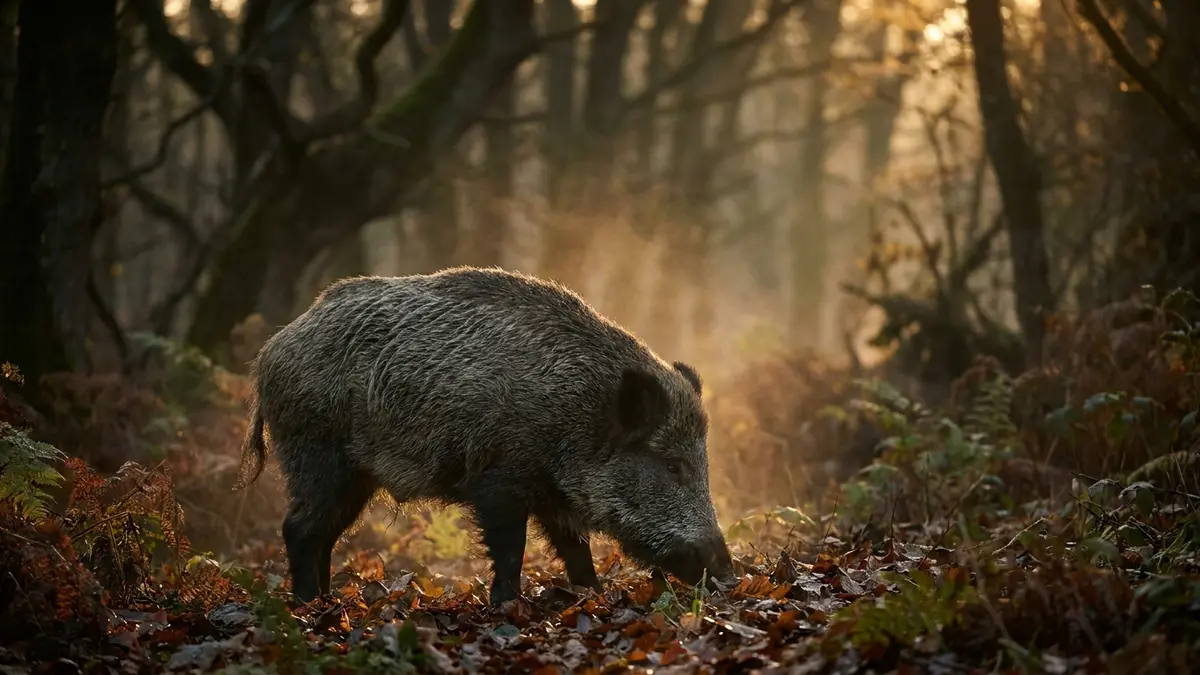
Though the pig (or boar) totem is often (wrongly) associated with greed, it actually symbolizes grounded abundance. As a spirit animal, the pig encourages you to meet growth in your life — usually financial, but sometimes relating to your relationships or your creativity — with gratitude and generosity, rather than greed. The wild boar can also represent fearlessness and tenacity in pursuing what truly nourishes you.
An almanac
- Core message
- You have enough — share it
- Spirit animal
- Signals a season of growth and flourishing
- Totem for
- Honest, resourceful, compassionate people
- Power animal
- Grounding, courage, and emotional calm
- In dreams
- Coming abundance; mud signals a messy situation
- Watch for
- Greed, delusion, or overindulgence
- In folklore
- German luck charm; unclean in Judaism & Islam
- Sailor tradition
- Tattooed on feet for shipwreck luck
The pig — a peaceful creature that often gets a bad rap — has traditionally symbolized wealth, wisdom, and mental discipline. In addition, the boar represents tenacity.
Pig Symbolism & Meaning
Before it meant anything bad, the Pig symbolized success, survival, and plenty. That's why piggy banks look like pigs — all along, the creature has been connected to that sort of stable wealth. Then there's the wilder boar, which adds real toughness and determination. You know that feeling when you're so close to something but can't reach it, and the boar is a reminder of what it takes to finally get there.
The most trainable farm animals are Pigs; they're as clever as dogs but don't expect a good review at the end. The Pig goes about its business and just shows off how perceptive and smart it is — ignoring audiences — which can teach something about not being self-absorbed.
They're scent-based and very aware of changes coming. Some other symbols have been kind to them but sometimes it's been used as a symbol for being ignorant or deluded. It could mean just holding on to that value you have even though other people think it's dumb.
Pig Spirit Animal
Pig as a spirit guide represents growth and financial development. A time of thriving for you is coming, which may or may not mean a financial windfall. Instead of hoarding your resources or becoming proud or smug, use this time of expansion to help others. Enjoy the blessings you are receiving.
Pig helps you develop self-reliance and prepares you for unexpected hardships. Although it is resourceful, Pig does not emphasize confidence or control in the face of challenges.
The scent of opportunity becomes more clear when Pig brings forth a new task or activity.
Does Pig fit you?
Tap the ones that sound like you — 6 traits, no right answer.
0 of 6 Nothing picked yet — start tapping.
Pig Totem Animal
People who have Pig as their animal totem tend to manifest their desires with ease. This was shown in Greek mythology, where Demeter, the goddess of the harvest and fertile lands, had a companion Pig. People who gamble for a living carry small charms with pictures of Pigs as symbols of good luck and a flow of wealth. Pig's connection to fertility extends beyond procreation to creative projects, new ventures, or career beginnings.
If you have Pig as your totem animal, you lead with honesty, compassion and resourcefulness; you're not especially interested in putting on airs, and this is true for most animals but especially apparent in Pig. People with the Pig totem tend to speak their minds through a strong throat chakra connection.
Pig Power Animal
If you need some grounding and strength, lean on the power animal of the pig. When things are so hectic you don't know which way to turn, a pig helps you take one step at a time. Pigs also lend boldness when you need it.
If you don't know what to expect on a day that feels up in the air, a pig can help calm your nerves.
As a power animal, the pig represents compassion and deep feelings. You'll see pink for the traditional soft cuddly pigs that are associated with unconditional love, and in other forms as black and white symbolizing yin and yang balance. A pig can also help take some of your anger away when you're too hot-headed to know what to do about it.
Across cultures
3 traditions — pick one to read its take.
Native American Pig Symbolic Meanings
In many Native American beliefs, pig is associated with abundance and companionship. It can also indicate caution about greed, over-indulgence, and selfishness.
Pig as a Celtic Animal Symbol
Celts believed the Pig and Boar to be symbols of bravery and fertility. Some tales credit their bristles with magical power. For example, the Welsh legend of King Arthur's hunt for Twrch Trwyth (a wild boar) mentions a boar so powerful its venomous bristles were so feared that it produced a son with the apt name Silver-bristle. (It's no wonder: those bristles were held to be a symbol of magic and great power!)
These symbols are associated with elemental energy because of their element, Fire, that which is dominant in the south. The Celts also believed boars symbolized bravery and courage.
According to The Mabinogion (Wales's great medieval story-cycle), a Welsh Prince named Pryderi possessed enchanted pigs that were unlike any other pigs seen in Wales before. The magician Gwydion wanted them so badly he created imaginary horses and hounds just to trade for some. Their theft provoked a war that led to Pryderi's death, illustrating how valuable something as ordinary-looking as a pig can be — this particular symbol stood for an unknown new kind of abundance, and was therefore worth much more than it appeared to be on the surface.
Far Eastern Pig Symbolic Meanings
Pigs represent contentment, abundance, and sharp intelligence across East Asia. In Japan, Pigs and Boars can symbolize wild intensity and aggression as well as abundance and good fortune. These dual readings mirror the Celtic pairing of Pig and Boar.
Pig in Astrology & Zodiac Signs
In Chinese astrology, people born in the Year of the Pig (or Boar) are likely to be charitable and drawn toward making life better for others around them. They're described as loving people without conditions, being steady in both good and bad times.
The Year of the Pig is considered a period of closure — it's a good time to wrap up ongoing relationships, decisions, or situations while also getting some luck and fertility boosts for those born in this year.
Pig Dreams
Dreams about pigs often involve pigs or hogs, and knowing what the message is depends on recognizing how each animal is acting and what's bothering you. A boar might be pointing to something or someone who's boring you, while a hog could represent someone who's eating up your time — literally if you're thinking of motorcycles.
Healthy pigs can represent coming abundance. Piglets can flag new children or projects. A pig wallowing in mud might flag that you should step out of a messy situation. Mud can also represent selfishness. Black pigs tend to point at withheld generosity, while white pigs may flag someone else's stubbornness rubbing off on you.
Pig Spiritual Meaning
The pig symbolizes one of the grounded, generous animals in the animal kingdom. It reminds you to get your basic needs in order. Then share whatever abundance you've created. Keep working to reach your own potential without needing recognition from other people. And keep moving forward toward success rather than standing still.
Whether the Pig comes to you as a spirit guide or totem animal or a power animal, the message remains consistent: know your own worth, work toward your goals with care and purpose.
Pig as a Good-Luck Charm
Before there were piggy banks, people used pigs as charms to bring them luck. In Germany, the phrase "to have pig" simply means to be lucky, and the tradition is much older than slang. In the Middle Ages, the gambling game Glückshaus had a pig on its square called the Lucky Pig. The tradition stayed strong in playing cards, which had pigs on their most valuable cards for hundreds of years. The tradition of using pigs as charms stretched two thousand years back.
Besides land animals, pigs have been brought onto ships as good luck charms too. Sailors used to get pig tattoos on one foot and a hen on another because they believed that pigs survived shipwrecks. After a ship sank, the pigs floated inside their wooden crates — and so people who tattooed pictures of pigs carried those same lucky pigs with them.
Whether it's a porcelain pig on a shelf or ink on your ankle, those good luck charms are actually spiritual: not random luck but something you can carry with you and keep close.
Pig as Unclean: The Other Side of the Story
Not every culture includes the Pig as a symbol, and there are good reasons for it. Leviticus 11:7 forbids eating pigs because they have split hooves but do not chew their cud, which was one of the two criteria in the ancient dietary law for defining an acceptable animal to eat. Islam carries this prohibition directly into its own dietary practices.
But consider how it can be read spiritually instead: It suggests that someone or something may appear acceptable on the surface but lack essential depth. That's not so different from Buddhist traditions using the same pig to symbolize "delusion." If this unsettles you, let it settle in.
Frequently Asked Questions
What does it mean if Pig is your spirit animal?
Pigs represent growth: financial, personal, and otherwise. They also represent gratitude. Grow with generosity, not with the wild greed you associate with pigs.
What does Pig symbolize in Celtic tradition?
In Celtic tradition, Pig and Boar symbolize courage, wealth, and fertility, with both animals linked to the Fire element and the southern direction. Boar bristles are a sure sign of power.
What does it mean to dream about a pig?
Sometimes a clean pig in a dream can mean coming abundance, and piglets could mean new beginnings like children or projects. But a pig in mud signals a messy situation or selfishness worth examining.
Why do we say someone is 'sweating like a pig' if pigs barely sweat?
The old folk saying comes from old ironworking, where the metal workers filled up moulds in the shape of piglets to cast iron into, and they called the iron "pig iron". Water vapour in the air gathers around it in drops. Metal-workers called this condensation "sweat", and the saying stuck around long after the furnaces were outlived. Real pigs, meanwhile, sweat very little. They keep cool by rolling in mud instead — which is pretty clever.
Is the pig considered lucky or unlucky across cultures?
The pig is lucky and unlucky at the same time, often in the same region. For example, traditional German culture considers pigs a great source of luck, and medieval boar talismans treated them as actual charms. Sailors would even tattoo a pig on their foot so they could feel lucky everywhere they went! But Judaism and Islam also consider the pig unclean. And in Buddhism, the Wheel of Existence symbolizes delusion, which they also identify with pigs.
What does a black or white pig mean in a dream?
A black pig suggests that you might be unwilling to give something away that you could afford to give. A white pig suggests that your decisions are being influenced by someone else's stubbornness. Neither a black pig nor a white pig is necessarily the same thing, because things can have more than one meaning, but you should consider the color as a prompt for thinking about things that feel either hoarded or overly rigid.
Pig also represents
Sources
Claims on this page were checked against these published sources.
- Thesmophoria
During the Thesmophoria pigs were sacrificed, and their remains were put into pits called megara.
Read the source → - Bhavacakra
The pig stands for ignorance; this comparison is based on the Indian concept of a pig being the most foolish of animals, since it sleeps in the dirtiest places and eats whatever comes to its mouth.
Read the source → - Pig
Pigs are relatively intelligent animals, roughly on par with dogs.
Read the source → - Lucky pigs and protective boars: The medieval origins of the Glücksschwein
Field #2, the best throw aside from 12, always shows a pig: the 'Lucky pig.' ... the Roman historian Tacitus documented that Germanic tribesmen carried formae aprorum [images of boars] as a kind of talisman for protection.
Read the source → - Sailors' superstitions
the images of a pig and a hen were good luck; most of the smaller livestock aboard ships would float in their wooden crates and would be among the only survivors of wrecks, so these images were believed to help them survive a wreck.
Read the source → - Leviticus 11:7
And the pig, though it has a split hoof completely divided, does not chew the cud; it is unclean for you.
Read the source → - Math fab Mathonwy
Gwydion told his uncle about an animal that was new to Wales, called pigs, and how he could get them from their owner, Pryderi of Dyfed. ... Having charmed the king, he offered to trade the pigs for some horses and dogs, which he had conjured through magic. Pryderi agreed to the trade and Gwydion and his men took the pigs back home to Gwynedd, but his trickery was revealed.
Read the source → - Where Does the Phrase 'Sweating Like a Pig' Come From?
pig iron was shaped in molds that had the pieces branching off to look like piglets suckling on a sow. Once produced, pig iron was not cool enough to move without burning anything it touched until it reached a point at which water vapor condensed on its surface, producing 'sweat.'
Read the source →