Spirit Guides
How to Read Color Meanings in Spirit Animal Symbolism
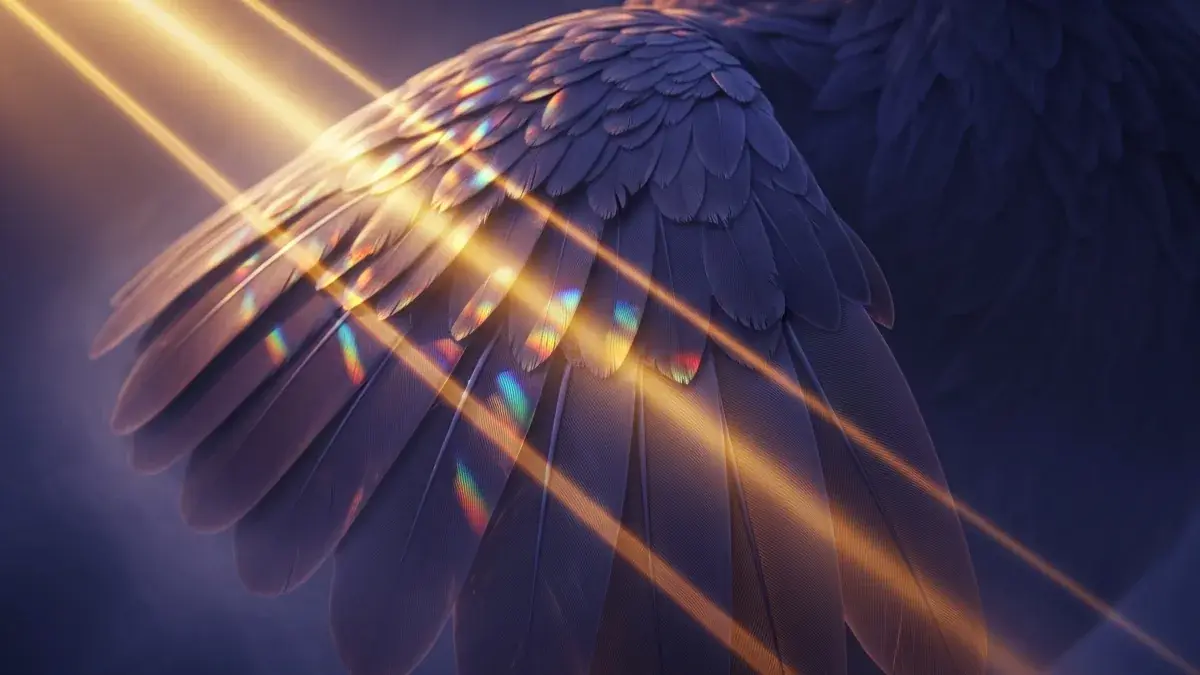
The color of a spirit animal, totem, or power animal adds its own layer of meaning on top of that animal's core symbolism. Warm colors like red, orange, and yellow tend to carry active, outward energy, while cool colors like green, blue, and indigo turn attention inward, and violet, black, and white carry the most spiritual, transformative weight. To interpret a color: identify the animal and its shade, weigh what the color means on its own, blend it with the animal's usual symbolism, note the context it appeared in, and trust your own gut reaction over any general rule. An unusual color for that species is one of the clearest signs there's a message worth paying closer attention to.
An almanac
- Warm colors
- Red, orange, yellow — active, outward energy
- Cool colors
- Green, blue, indigo — growth and inward focus
- Spiritual colors
- Violet, black, white — transformation and depth
- Unusual color
- Signals a heightened, deliberate message
- Golden rule
- Personal gut reaction outweighs general meaning
- Earthy colors
- Brown, gray, pink — grounding, patience, and tenderness
- Color is cultural
- White reads as mourning in parts of East Asia, purity in the West
Every color a spirit animal, totem, or power animal wears carries its own quiet message, and that message is rarely an afterthought. The color can shift, deepen, or even redirect the meaning you'd otherwise assign to the animal itself. This guide walks through how to actually use color in your practice, so the next time a blue heron crosses your path, or you dream of a black wolf, you have a way of making sense of it.
Why Color Changes the Message
Think about how many familiar sayings lean on color to carry emotional weight. When people talk about the "bluebird of happiness," they're drawing on a real thread of American nature-lore: colonists linked bluebirds to the arrival of spring, and later observers described them as a symbol of joy. That's the whole idea behind reading color symbolism: a hue adds its own vibration on top of whatever an animal already represents.
Every color tends to carry a distinct emotional and energetic signature, and that signature colors (pun intended) the way you experience a guide's message. A creature that shows up in an unexpected shade isn't a coincidence to brush past. It's worth pausing on, since the color itself may be doing a large share of the communicating.
One thing worth keeping in mind from the start: how you personally respond to a color matters as much as any general meaning. Your own history and gut instinct should get a vote alongside the broader associations described below.
How to Work With Color Symbolism, Step by Step
Rather than memorizing a chart, treat this as a simple process you can repeat any time a color catches your attention:
- Identify the animal and its color. Note whether the color is the creature's natural, expected shade, or something unusual for that species.
- Ask what the color represents on its own, separate from the animal. Use the individual color meanings later in this guide as your reference point.
- Blend the color's meaning with the animal's usual symbolism. A message-bringing animal paired with a calming color often softens its message; paired with an intense color, it may sharpen it.
- Notice the context. Did the animal appear in a dream, in the wild, in art, or in advertising? The setting can tell you whether you're looking at a personal totem trait or a passing omen.
- Check your gut reaction. If a color feels different to you than its general reputation suggests, trust that. Personal experience often outweighs any general rule.
- When a color is unusual for that species, treat it as a heightened signal. An animal appearing in a color it wouldn't normally have is often a deliberate nudge to pay closer attention.
Reading the Warm Colors: Red, Orange, and Yellow
The warm end of the spectrum tends to carry active, outward-facing energy.
- Red is tied to intensity, primal drive, and life force. It shows up as passion, courage, and action. An animal carrying red tones, like a robin's red breast, often signals renewed energy, hopefulness, and a season of change on the way. A red fox, as a messenger figure, may be nudging you to watch how you're spending your personal energy or to refill a well that's run low.
- Orange softens red's spark into something more social and thoughtful. It's associated with communication, balance, and intellect. A creature in orange, such as a tiger, often points toward a period of reflection, a chance to step back from chaos and reconnect with your own center and values.
- Yellow radiates outward the way sunlight does. It carries confidence, positive energy, and clear communication. An animal in yellow, like a lion or a canary, often relates to finding your voice and delivering your message with conviction, and it carries a sweeter note of joy and inspiration too, particularly with smaller creatures like songbirds.
Reading the Cool Colors: Green, Blue, and Indigo
Cool colors tend to turn attention inward or toward growth and expansion.
- Green represents health, growth, and a touch of romance. It's the color of new beginnings and steady progress. A green creature, like a chameleon that shifts its own shading — most often to signal mood or regulate its temperature rather than simply to hide — often speaks to resilience and quiet wisdom. If a green animal in your experience feels unfriendly or off, it can be worth asking whether you've grown a little hard-hearted and could use more self-compassion.
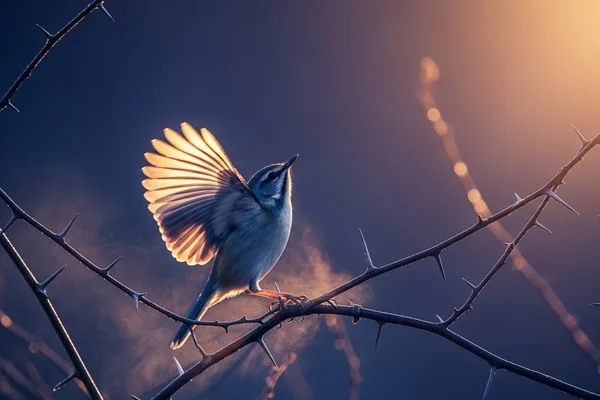
- Blue carries a sense of expansiveness, imagination, and good fortune. It's a relatively rare color in nature, so when an animal guide appears blue, it's often a strong signal to think and live on a bigger scale. Birds in blue tones are frequently connected to home and security, while other blue creatures can carry themes of mystery or protection.
- Indigo is closely related to blue but reaches deeper into intuition and emotional insight. It's associated with adaptability and with reaping the results of past effort. Because indigo and blue can be hard to tell apart visually, if you sense an animal is indigo rather than blue, take that as a cue to prepare for a more significant transition than you might have expected.
Reading the Spiritual Colors: Violet, Black, and White
This trio tends to carry the most weighty, transformative associations.
- Violet or purple is considered one of the more spiritual hues, linked to service, sensitivity, and connection to something larger than yourself. It also carries artistic vision and a pull toward uncovering underlying truth. Purple creatures, like certain butterflies and sea snails, are often described as free, empowered, or on a seeking path. That pairing with sea snails isn't only poetic — in the ancient Mediterranean, the purple dye worn by Phoenician, Greek, and Roman elites was harvested from the mucus glands of predatory sea snails, a process so labor-intensive that by the fourth century AD Roman law restricted the color to the emperor alone. It's a fitting backstory for a shade still tied to rank, and to something larger than the self. When violet shows up strongly, treat it as an invitation to open your eyes to a new level of understanding.
- Black is about formality, groundedness, and depth. It's linked to psychic insight and a drive to understand what's really going on beneath the surface. Black animals, such as horses, cats, or dogs, are frequently tied to themes of endings and beginnings, of closing one door to open another. Depending on the surrounding culture, black creatures can carry either a warning to stay alert or a sign of good fortune, so context and your own instinct matter a great deal here.
- White is the color of purity, cleansing, and spiritual clarity. It's associated with reflection, organization, and enlightenment. White animals are often treated as especially sacred or significant, and can mark a special teacher or a period of progress in matters of faith. Some creatures turn white seasonally as camouflage, which can echo the idea of protection and adaptability that comes with change. Worth holding alongside this: white doesn't read the same way everywhere. In many East Asian mourning traditions it's the color of grief and funerals rather than celebration, a reminder that even the most spiritual colors carry different weight depending on the tradition a reader brings to them.
Bringing Color and Animal Symbolism Together
The real skill here is layering color meaning on top of an animal's core symbolism so the two work together, rather than memorizing a list of colors. A creature can appear in any color in the realm of spirit and vision work, and when the color is unexpected, that's usually the clearest sign there's a message worth sitting with.
Color can also become a tool you use intentionally. When you're calling on a power animal for a specific goal, visualizing that animal in a particular color can support the intention behind your work. Pair the animal's usual meaning with the energetic quality of the color you choose, and you're speaking the same visual language nature already uses.
Color folklore also varies across cultures and traditions, so treat any single interpretation as a starting point rather than a fixed rule. Build your understanding of an animal's core meaning first, then layer color on top of it, and let your own reaction guide the final interpretation.
Reading the Quieter Colors: Brown, Gray, and Pink
Not every meaningful color announces itself loudly. Some of the most trustworthy messengers show up dressed in quieter, more grounded tones, and it would be a mistake to treat brown, gray, and pink as lesser cousins to the colors above.
- Brown is the color of soil, bark, and the animal that shows up again and again without fanfare. It carries themes of stability, endurance, and a deep connection to the physical world rather than the visionary one. A brown creature — a doe, a sparrow, a field mouse — often arrives to remind you that steady, unglamorous effort is doing more good than you realize, and that some growth happens underground, out of sight.
- Gray sits in the space between black and white, and it tends to carry exactly that in-between energy: neutrality, quiet wisdom, and a kind of emotional evenness. A gray animal often turns up during a stretch of waiting, when a decision hasn't resolved yet and won't be rushed. Rather than reading gray as indecisive or dull, treat it as an invitation to stay balanced while you sit with the uncertainty.
- Pink softens red's intensity into something tender rather than fierce. It speaks to emotional healing, gentleness, and a kind of unguarded affection, toward others and toward yourself. A pink creature is rarely a call to action; it's more often a nudge to be kinder to your own heart, especially if you've been carrying something heavy.
Why the Same Color Can Mean Opposite Things
Everything above works well as a starting framework, but color meaning was never handed down as a single universal law. Particular cultures built it, in particular places, out of the materials and dyes they had on hand, and that history still shapes the associations we reach for today.
White is the clearest example. In much of the West, it reads as purity, weddings, and clean beginnings, but in many East Asian traditions it's the color of mourning and funerals rather than celebration, a near-total reversal of the same hue. Red tells a similarly split story: in contemporary China, it's the color worn at weddings and hung up for holidays as a symbol of good luck and happiness, while much of Western tradition leans on red for danger or warning instead of joy.
Even color-and-gender pairings, which can feel like bedrock truth, are historically recent inventions. In the late 1800s, Western fashion commonly coded pink as a boys' color and blue as a girls' color, the exact reverse of today's convention. The split shows up in finance too: in mainland China, Japan, South Korea, and Taiwan, red marks a falling stock price and green a rising one, the mirror image of how Western markets color the same movement.
None of this makes the meanings in this guide wrong, but it does mean every color association is a regional habit rather than a universal law, which is exactly why your own instinct, shaped by your own culture and history, deserves real weight in the equation.
Frequently Asked Questions
Can my spirit animal appear in a color that's unusual for that species?
Yes, and it's one of the more meaningful signals you can receive. When an animal shows up in a color it wouldn't naturally have, treat it as a deliberate emphasis rather than a random detail, and look closely at what that particular color represents for you.
What if a color feels different to me than its general meaning suggests?
Trust your own reaction. General associations are a useful starting point, but your personal history and instincts around a color often carry more relevant information for your specific situation than any broad interpretation.
Can I change the color of my spirit animal in a vision or visualization?
You can, and doing so intentionally is a recognized way to work with power animals for specific goals. Keep in mind that changing the color adds a new layer of meaning on top of the animal's core symbolism rather than replacing it, so consider what that new color represents before you decide it fits your intention.
Does a color mean the same thing in every culture?
No, and that's worth remembering before treating any single meaning as fixed. White marks mourning in much of East Asia even though it signals purity in the West, and red is a wedding color of good fortune in contemporary China rather than a warning sign. Read the general meanings in this guide as a starting framework, then weigh them against your own cultural background and gut response.
What does it mean if my spirit animal appears brown, gray, or pink?
These quieter tones carry meaning too. Brown points to grounding, endurance, and steady progress happening out of sight; gray often shows up during a period of waiting or an uncertain decision and asks you to stay balanced rather than rush; pink softens things into emotional healing and tenderness, often as a nudge to be gentler with yourself.
More from Spirit Guides

Sources
Claims on this page were checked against these published sources.
- Eastern Bluebird
Bluebirds were popular with early American colonists and associated with the coming of spring. ... Lawrence Zeleny said that bluebirds represent joy to Americans.
Read the source → - Blue
Blue-pigmented animals are relatively rare.
Read the source → - Tyrian purple
It is secreted by several species of predatory sea snails in the family Muricidae, rock snails originally known by the name murex
Read the source → - Arctic fox
It is well adapted to living in cold environments, and is known for its thick, warm fur that can be used as camouflage against snow in the winter.
Read the source → - Color symbolism
In some Asian cultures, white represents death and/or mourning. Mourning or death is symbolized by white in East Asia, black in the US, and blue in Iran.
Read the source →
Not sure which animal is yours?
Consult the quiz