Fish & Sea Life · Spirit animal
Oyster Spiritual Meaning & Symbolism
The humble shell-builder that turns irritation into treasure and stillness into strength.

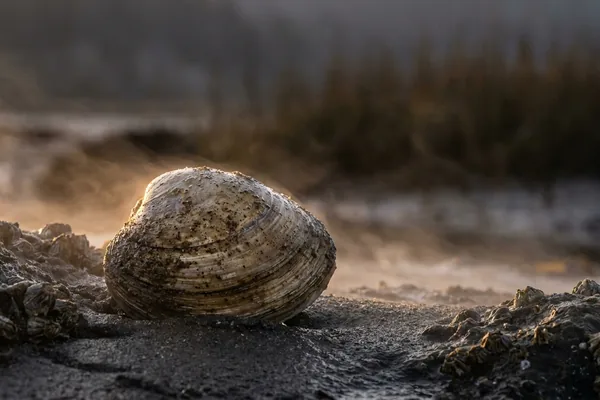
Oysters are symbolic of soft transformations, and a stormy life can be turned into something valuable, just as a pearl is formed inside a shell. Oysters can represent greater emotional boundaries in friendships and partnerships, careful speech and greater self-love. As totems, they represent fertility and protective shells for soft creatures. In dreams, oysters often mean secrets or protection.
An almanac
- Core message
- Turn irritation into value
- Spirit animal
- Set firmer boundaries
- Totem for
- Resilient, harmony-seeking souls
- Power animal
- Grounding, patience, discernment
- In dreams
- Secrecy, transformation, protection
- Cultural roots
- Babylonian, Egyptian, Chinese, Greek myth
- Word origin
- Shares Greek root with 'ostracize'
- Biology
- Can shift from male to female
The quiet transformation of the oyster is something people have recognized in many cultures and times. If you need a symbol of something changing slowly, over time, then you might think about the oyster. Some people have thought this process reflected a devotion to inner growth. They think this kind of dedication means finding the treasure hidden in everyday life.
Oyster Symbolism & Meaning
Oysters in large numbers release eggs in a single spawning event. That sounds like a lot, especially because spawning takes a lot to get going. There's the right water temperature, the right salinity, and plenty of energy reserved for the marathon of growing eggs. No wonder oysters know to wait.
Once their eggs hatch in the open water, what follows is quite something: an oyster larva gradually anchors itself to a new home and starts building its future home from seawater.
That's why the symbolism of an oyster links it with transformation and adaptability. It's also connected with pearls. Oysters spend their time filtering huge amounts of water—clearly an image of careful attention.
This filtering habit also brought the kindlier associations in various cultures: renewal, abundance, fertility, and a safe place for gentle things like grace or growth. The Greeks pictured Aphrodite emerging out of the sea holding a scallop (not an oyster). Oyster carries both sides of this pair: strength protecting sensitive things.
Oysters can create whole reef communities, too. That protects them from storm surge. Anchoring yourself quietly lets you shield everything around you—including your own fragility—from harm.
Oyster Spirit Animal
A shell protects you, holds things together, and keeps you contained within your identity.
Oyster as an animal guide will remind you that there are walls to every home: there is a boundary within yourself. If someone is trying to force their ideas on you, turn them away at the border and wait for the storm to pass. This would be a good time to listen more than talk, maybe keep your opinion to yourself.
Part of this message comes from the fact that oysters can change their sex depending on the season, so their reproductive parts can take either female or male shape. Whatever you call yourself is up to you: if it's fluid, changeable, in flux even, nobody but yourself should have any say over what name goes inside your shell.
Does Oyster fit you?
Tap the ones that sound like you — 6 traits, no right answer.
0 of 6 Nothing picked yet — start tapping.
Oyster Totem Animal
Oyster is a resilient animal, and people who have it as a birth totem are like that: slow to lower their defenses. They're defensive, not cold; they'll pick their friends well, because they won't trust just anyone. But once you've earned their trust, they'll be quiet and calm and loyal.
They don't get into conflict with others—aggression is distasteful to them. If there is a rough situation that arises, though, they won't back down.
It takes a tough shell to change something irritating into something valuable. Oyster people are good at that, and their friends can watch this happen and marvel at how useful a negative can be if it's worked through. Those are the people whose shelling abilities are effective beyond measure: not just for them but for everyone around them.
Oyster Power Animal
Call on Oyster to help you deal with feeling like your life is out of whack. You can expect it to help you find ways to hold firm and steady, even as events around you swirl or things feel out of control. Oyster can help you decide what is solid and trustworthy, and what is nothing but noise and fiddling.
Look to Oyster when you need help with self-control and patience, or when you need help with resisting manipulation. You can expect Oyster to give you strength against folks who try to control or trick you into changing or doing something.
Oyster in Far Eastern Symbolism
In Chinese tradition, the Oyster is a small but potent symbol of good fortune: In Cantonese, oyster sounds like the word for something good is coming, so it's usually seen as a nudge to stay open to positive change and the unexpected blessings in life.
Oyster in Dreams
An oyster in a dream represents many things and can reveal different messages. The main idea is that dreaming of an oyster represents a secret. Perhaps you're thinking of a secret that you want to hide from others, or maybe someone is hiding a secret from you.
Dreaming of an open oyster showing pearls can mean that you're becoming more like your true self. A pearl inside an oyster is a beautiful thing and represents how much better you can be if you keep working at it.
If someone else is holding an oyster in your dream, that could suggest that you or another person feels attracted to someone or in love with someone. But it could also represent a close emotional connection between two people.
Some dreams about being inside an oyster may represent inner thoughts or a need to look inside yourself for understanding about what you feel.
Putting things into an oyster may show the importance of taking steps to protect yourself from others.
A group of oysters could be good news, representing many good things coming your way.
An oyster going out into the open sea by itself might suggest that you will soon go on a long journey somewhere far away.
Walking over many thin shells could be a sign that there will soon be trouble with money, and it will be important not to trust everyone equally.
Oyster Spiritual Meaning
Oysters can transform insults into value. Irritations become pearls. They teach that protection and gentleness go together. Firm boundaries make softness sustainable.
Their spiritual message is this: turn discomfort into value. Slowly, layer by layer, coat and transform whatever irritation you've had in life.
There's some work being done under the calm surface of the water. It can be quiet, but it's productive.
The Word Hidden Inside "Oyster"
There's an ancient word for shell. It's also the name of an ancient ballot. And they both derive from the same root. This root is called Proto-Indo-European, and it means bone.
The term ostracism comes from the ancient Athenian word ostrakon. Someone who was ostracized would literally have a name carved and tossed into a jar.
There's an incredible lesson in that shell. In one language, it keeps you safe. In another language, it holds a vote that can exclude you from your community.
What it feels like to be ostracized from a group is quite different from what it feels like to be enclosed in your shell. Sitting with these two feelings in balance is Oyster medicine.
Working With Oyster: Small Rituals
It's hard to tell when people want to hear about a message that has found you, and when it's just okay to mention it yourself.
But once it lands, what do you do? Here are some simple ways you can make sure the message stays with you.
First, stop and think before you reply. Take a minute to imagine yourself shut up tight like an oyster that's waiting. Now open your hand slowly and deliberately. That will remind you that it's up to you how long you take before telling people what you have learned.
Next, set out one little shell for yourself somewhere where you'll notice it every day, to keep that memory fresh.
Look back at the week just passed and write down one thing that really bothered you then put another thing next to that which showed how it worked out somehow. Your irritation can get swallowed up into something much better.
When someone tells something back to you or answers one of your questions think twice about whether to say more or stop and let people think about what they have said. Give yourself time and see how silence can tell someone something useful.
Frequently Asked Questions
What does it mean when Oyster appears as your spirit animal?
Oyster might symbolize the message that you need a firmer emotional boundary right now or are considering an identity shift, and this symbol may ask you to watch your words more carefully and embrace a new identity with more self-acceptance.
What does an oyster symbolize spiritually?
Oysters symbolize fertility and protection, as well as the ability to take something irritating or harsh and turn it into something beautiful—much like the way a pearl is formed inside a shell.
What does it mean to dream about an oyster?
The meaning of your oyster dream will depend on details: perhaps a closed oyster is a secret, an open one with a pearl is personal growth, and scattered shells signal financial frustration.
Why is the oyster associated with romance and sensuality?
The connection starts with Aphrodite, the goddess of love, whom legend says arose out of the sea upon a shell. The oyster's association with Aphrodite has persisted in folklore, and the lavish delicacy's reputation as a romantic treat has helped spread the affiliation. Later folklore cemented the link between romance and oysters.
Is there a biological reason Oyster feels connected to gender fluidity?
Yes. A lot of oyster species are hermaphrodites. And some of them can change what they use at different times of year. A few of them can go back and forth from being female to being male in the same year, even having both parts at the same time.
What does it mean to dream about eating oysters?
Oysters in dreams are associated with taking something in slowly—such as news or an experience. They can also stand for indulging in pleasures, especially if there are many of them.
Oysters have been a pricey food item for centuries, so there may also be a connection to excess or wastefulness.
Oyster also represents
- Other animals that represent death →Alongside Raven, Crow, Buzzard & Vulture, Owl
- Other animals that represent rebirth and change →Alongside Butterfly, Snake, Dragonfly, Frog
- Other animals that represent protection →Alongside Bear, Wolf, Dog, Elephant
- Other animals that represent patience →Alongside Turtle, Heron, Spider, Ant
Sources
Claims on this page were checked against these published sources.
- Eastern Oyster
Oyster beds also stabilize coastal sediments and help minimize impacts from storm surges.
Read the source → - Pearl
Pliny the Elder...praised the pearl fishery of the Gulf as most productive in the world.
Read the source → - Ostracism | Etymology, Origin & Meaning
from ostrakon "tile, potsherd," from PIE *ost-r-, from root *ost- "bone," which also is the source of Greek osteon "bone," ostreion "oyster"
Read the source → - Ostracism: Political Exclusion in Ancient Athens
the man who was ostracized remained a citizen, had to leave the city for a fixed period of ten years, did not lose his possessions, and could be recalled
Read the source → - Oysters in transition: hermaphrodite oysters display unique DNA methylation patterns in gill tissue
sequential hermaphrodites that can reverse sex within one reproductive season... intermediate sex stages where they simultaneously produce male and female reproductive tissue
Read the source →