Fish & Sea Life · Spirit animal
Lobster Spiritual Meaning & Symbolism
The armored elder of the seafloor. It shows you how to shed what no longer fits and grow into what's next.
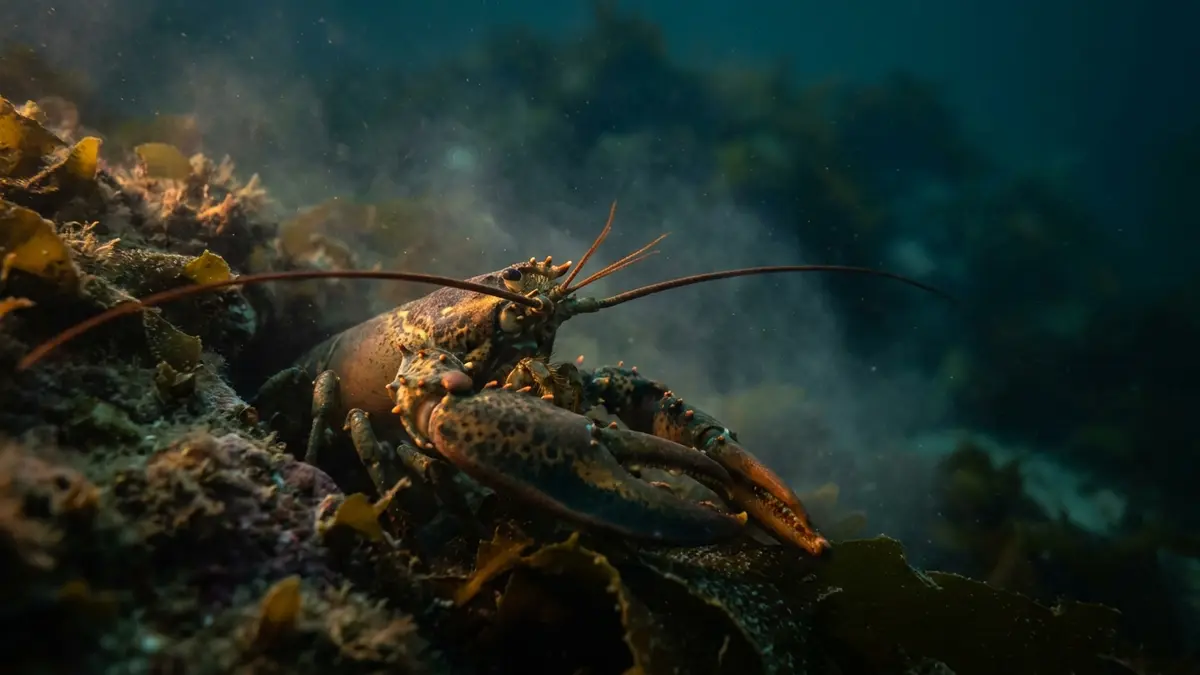
The Lobster spirit animal is a symbol of resilience through change. Lobsters are great survivors who patiently endure tough conditions as they continue to grow and improve.
In dreams, the Lobster generally represents consistent resilience and the ability to keep pushing through challenges. Seeing this animal can point to the need for you to shed old habits or identities that no longer fit, so you can transform into something more.
This large crustacean's steady energy emanates from the Water element, and it points to solid emotional processing that allows you a clear perspective in times of great change. The Lobster's firm grip on what matters is also reflected in its spiritual insight and your need to process your feelings with awareness.
An almanac
- Core message
- Shed what no longer fits, grow into what's next
- Spirit animal
- Emotional release and protective renewal
- Totem for
- Disciplined, tenacious, ever-reinventing people
- Power animal
- Tougher emotional shell and a firm-clawed grip on goals
- In dreams
- Resilience and strength to overcome a challenge
- Element
- Water — emotion, intuition, cleansing
- Blue lobster odds
- About 1 in 2 million
- In Japan
- Ise-ebi = longevity, New Year luck
Over 100 million years, the lobster's ancestors have observed time flow by. Throughout its existence, the lobster has stayed true to itself. It keeps going. It releases what no longer fits. It keeps remodeling itself.
Lobster Symbolism & Meaning
The Lobster is an ancient creature whose body plan has changed little since the days it shared the sea with crocodiles, platypuses, and other odd prehistoric creatures.
Lobsters taste food with their legs and antennae. Like people with their dominant hands, they often rely more on one claw than the other.
Lobsters shed their shells as they grow, absorbing them to rebuild. If a predator threatens them, they can even drop a claw or leg and regrow it later.
Lobsters have striking symbolism because of how they cope with change. They release old habits when those habits threaten to harm them, and they don't let draining people get in their way.
Male Lobsters look after multiple partners, who each cast off their old shells before mating and eventually leave after producing eggs.
Lobsters are creatures of the element Water, associated with emotions, intuition, cleansing, and deep-sea patience.
Lobster Spirit Animal
When you see a lobster as your spirit animal, you can expect a lot of water-related energy moving through your subconscious. That means feelings or memories that you've kept buried inside might come up again. Even though it might feel awkward or strange when they do, working through them can bring you relief and allow you to heal.
Lobsters are all about emotional processing and renewal. They want you to stop trying to suppress your feelings and just let them happen. Then, when those feelings have been processed, the lobster energy will help you feel renewed.
If a lobster is your spirit animal, it might also be there as a protector. It's going to ask you if there's something unhealthy that you're holding onto or some risk that you've been ignoring but secretly know about. Lobsters also have a very sensual and romantic side to them. If intimacy or connectedness has been missing from your life, this spirit guide will encourage you to come back into the world and have relationships again.
You don't have to share the lobster's passion for romance and food, but the point is clear: now is the time for you to open yourself up to closeness with other people.
Does Lobster fit you?
Tap the ones that sound like you — 6 traits, no right answer.
0 of 6 Nothing picked yet — start tapping.
Lobster Totem Animal
People carrying a Lobster Totem Animal tend to have firm character and real self-discipline. They hold their principles close and rarely waver, even though a softer, more vulnerable side exists underneath for those who take the time to look.
A strong curiosity drives them to chase new ideas and discoveries, and they love sharing whatever they've learned with the people around them.
When tension or chaos starts brewing, this totem's instinct is to retreat to safety rather than get swept into drama. Constant reinvention is part of the deal too. Like molting a shell, these individuals pause after every major life shift to reflect on the lesson before stepping into whatever comes next.
Their grip on reality is equally strong. They know their strengths and limits clearly, and once something captures their interest, they latch on with real tenacity, a trait that serves them well in work, relationships, and anything else they set their mind to.
Lobster Power Animal
When you're feeling overwhelmed by emotion, call on the Lobster Power Animal. It helps you build a tough outer shell to protect yourself, so you can think about what's causing your emotions instead of just reacting to them.
The Lobster Power Animal can show you how to be as purposeful as it is in bringing in nourishment for itself -- gathering sustenance from whatever sources are available, and bringing it back to a safe place to enjoy.
And when you have a goal in life and it starts feeling elusive or even out of reach, think of your powerful friend -- the Lobster Power Animal will help you hold on tight and keep striving toward your goal.
Lobster in Greek Mythology
In Greek mythology, a god named Pontus is sometimes shown wearing a crown of lobster claws, just like the sea-titan Oceanus. Pontus fathered Nereus, Phorcys, and Ceto. The Ichthyocentaurs, creatures half-horse and half-fish who lived in the ocean, wore the same clawed crown. As far back as Aphros (the foam) and Bythos (the personification of the sea's depths), fish creatures saved a goddess from drowning. They became part of the constellation Pisces.
Lobster in Dreams
Dreaming of a lobster often points to a challenge, where you'll need tenacity and confidence to overcome obstacles that might lie in your path. The details of your dream refine the message further. If the lobster is blue, there's something valuable you must seize. Multiple lobsters suggest good fortune or a prestigious position. A caged lobster could mean you're being held back from pursuing your passions. Aggressive behavior suggests violence, either toward or by you. If you feel bitten, someone is trying to pull you down. Being chased by a lobster implies someone wants to draw you into drama, even when it's not helpful. Catching a lobster means good things are on the horizon, such as a raise or lucky windfall. Holding a lobster implies rising through the ranks and being held in high esteem by others. Dreaming of claw-bearing lobsters only signifies perseverance until the ultimate achievement of success arrives. An empty shell indicates you hide your talents out of fear; it may be time to put yourself out there.
Lobster Spiritual Meaning
Lobster's spiritual message is to be resilient through change. This creature teaches that honor can come from shedding parts of your past as well as honoring them. It asks you to protect yourself and feel deeply while also working steadily toward positive growth. Lobsters aren't weak when they discard their shells; they're showing how strength and security can grow through transformation. When lobster comes into your life, it can remind you to meet change with courage, a hard shell, and honesty about what deserves your focus.
Lobster in Japanese Tradition
Ise-ebi lobsters are a common sight at the Japanese New Year. Often dubbed "old men of the sea," they're revered for their longevity and are part of New Year's osechi ryori, Japan's ceremonial food boxes that families share to welcome the year ahead. Dating back to the 1600s, this tradition also doubles as a color of celebration, as the lobsters' bright red shells are served at weddings and other milestones.
These lobsters have spiky, piercing backs. It's an unusual look—but it is traditionally interpreted as a kind of wish: that people who eat them will live long enough to grow that same curved back. Because they molt—shedding and regrowing their shells—a lobster changes many times over its life, and its powers of resilience and ability to survive make it a symbol of transformation and life cycles.
The meanings of this lobster extend beyond Japan's borders. In Western countries, its shed shell symbolizes release and renewal.
Is the Lobster Truly Immortal?
Some believe that lobsters are biologically immortal: they live incredibly long lives without the normal signs of aging. This belief is partially true, and scientists have identified one of the reasons why. While most animals experience their telomeres — the protective caps on their chromosomes that shorten and drive aging — gradually decay over time, lobsters have a special enzyme, telomerase, that continually repairs those telomeres. Researchers call it "negligible senescence": aging without the usual decline.
However, these amazing biological adaptations can't outsmart all of life's challenges. Roughly 10 to 15 percent of lobsters die each year as a result of molt-associated mortality — after the very transformation process that supposedly makes them immortal has taken place. In addition to disease, injury, and predation, molting presents a real risk for lobsters.
For Lobster symbolism, this means renewing your beliefs isn't an easy process. Like transformation itself, renewal carries real risks. Most transformations require some pain; if you stay rigid inside your old skin instead of taking a risk and changing again, you simply will suffer more.
Frequently Asked Questions
What does it mean when Lobster is your spirit animal?
Lobsters can seem emotional. This may be a way for them to tune into the energy of water, revealing hidden emotions which need processing. Lobster Spirit is a wise protector of these processes, helping you to release unhealthy attachments and let yourself be open to intimacy and connection.
Why does Lobster symbolize shedding and growth?
A lobster outgrows its shell, and it needs to molt (i.e. Shed) its shell to grow larger. When it sheds its shell, it has to recycle the minerals from the old shell. Spiritually, this is like how humans can release old identities, habits, and relationships to make room for renewal.
What does dreaming about a Lobster mean?
In general, it symbolizes your strengths and resilience. Dreaming that you catch one suggests good news about money or other financial gains. Being chased by a Lobster warns of unpleasant drama in your life. If you dream of a caged Lobster, that usually means you’re suppressing some passion.
Are lobsters actually immortal?
Not literally, but the myth does have real science behind it. Lobsters can keep growing throughout their lives by making telomerase, which allows them to reproduce without normal aging. This is called negligible senescence. Still, about 10 to 15 percent of lobsters die each year from molting alone, along with disease, injury, and predation. So the true meaning of the myth stays just out of reach.
Why does a lobster's shell turn red when it's cooked?
A living lobster's shell is black because a protein that binds to its red pigment prevents the color from showing. The protein, which masks the red color, is called crustacyanin. Heat breaks it apart, freeing the astaxanthin to turn red. So when it's cooked, it turns bright red because the chemical structures that were hiding its pigment have been disrupted.
What does the lobster symbolize in Japanese culture?
The spiny ise-ebi lobster is an auspicious symbol of longevity. It's served at New Year's, when its long antennae and curved back evoke the image of an older man. It's also served cooked at weddings and other celebrations because it turns red in color once cooked.
Lobster also represents
- Other animals that represent death →Alongside Raven, Crow, Buzzard & Vulture, Owl
- Other animals that represent rebirth and change →Alongside Butterfly, Snake, Dragonfly, Frog
- Other animals that represent protection →Alongside Bear, Wolf, Dog, Elephant
- Other animals that represent resilience →Alongside Cockroach, Camel, Salmon, Turtle
Sources
Claims on this page were checked against these published sources.
- Lobster
The fossil record of clawed lobsters extends back at least to the Valanginian age of the Cretaceous (140 million years ago).
Read the source → - Narrow-spectrum chemoreceptor cells in the walking legs of the lobster Homarus americanus: Taste specialists
Narrow-spectrum chemoreceptor cells in the walking legs of the lobster Homarus americanus: Taste specialists
Read the source → - North American Lobster
These antennae are able to smell the water to locate prey and touch elements in the lobster's environment so it can find its way.
Read the source → - American Lobster
Eating their shell replenishes lost calcium and helps harden their new shell.
Read the source → - Lobster (Episode 3094)
female lobsters can only become pregnant when free of their shells
Read the source → - Ichthyocentaurs
sometimes portrayed with a pair of pincered arms (similar to a lobster's clawed arms) emerging out of their heads
Read the source → - Don't Listen to the Buzz: Lobsters Aren't Actually Immortal
between 10 and 15 percent of lobsters die naturally each year as they shed their exoskeletons
Read the source → - Lobster colour change mystery solved
When the lobster is cooked the protein is denatured and the astaxanthin is released and reverts to its orange-red state.
Read the source → - Ise Ebi – A Reason to Celebrate!
the lobsters are a symbol of longevity, as their antennae are said to look like an old man's beard.
Read the source → - See the Rare 'Electric Blue' Lobster Found Off the Coast of Massachusetts
The odds of a lobster being blue are about one in two million, according to a statement from the university.
Read the source →