No. XII of XII
Your bird
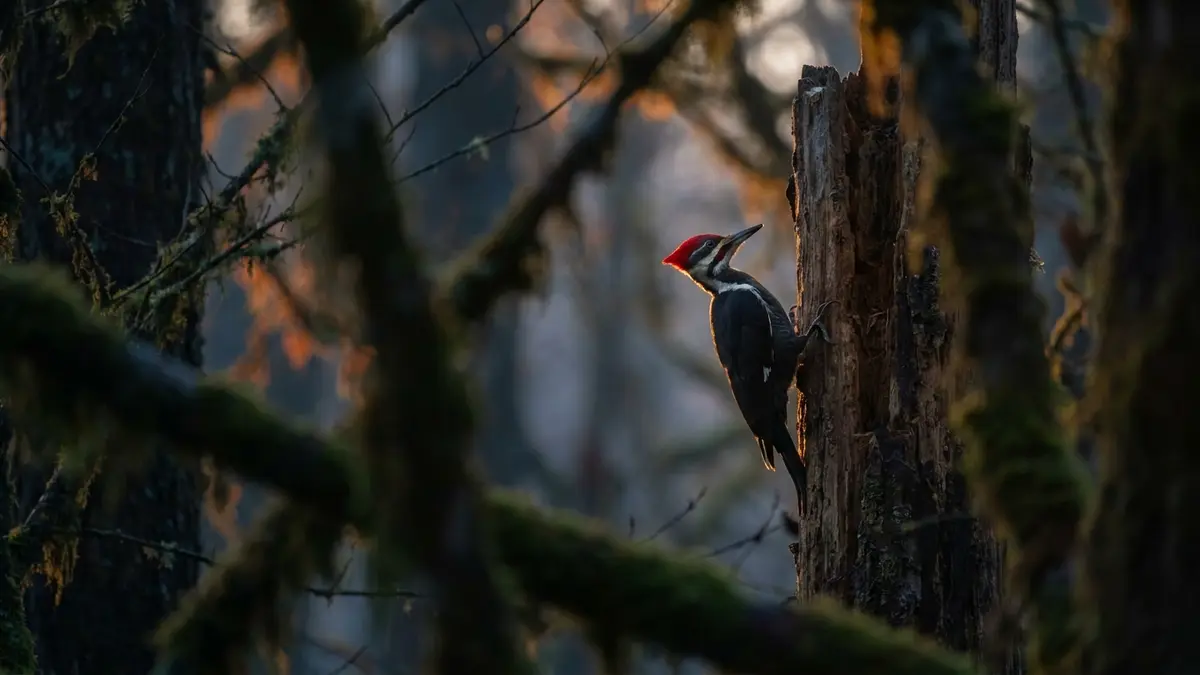
The Woodpecker
The Persistent
Rhythm, attention and refusal to quit
roughly 1 in 9 answer paths lead here
You get there by not stopping. Where other people look for the clever way in, you simply keep knocking until the wall gives — and it almost always does, which is why the people who dismissed the method have usually stopped dismissing it. You work in rhythm rather than in bursts, and you are attentive in a way that looks unremarkable right up until it turns out you were the one who noticed.
How you love
You are steady, present and genuinely hard to get rid of, in the best sense. You show love by turning up again, and again, without needing it commented on. Your risk is persisting at something long after both of you knew — you will keep working at a closed door out of sheer character.
How you decide
You finish. You are the one still on it when everyone's attention has moved, and you deliver the thing the team quietly forgot was outstanding. You are undervalued in rooms that reward the loud idea over the finished one — and you have chosen not to let that change how you work.
What the Woodpecker is asking of you
There is a wall you have been at for a while now, and persistence has stopped being the answer to it. The Woodpecker listens before it strikes — it is finding the hollow, not attacking the tree. Check that you are still knocking where the sound is right.
The constellation of the Woodpecker
What the Woodpecker carries in folklore — the nature your answers matched, not a measurement of you.
What it gives you
- Finishing what everyone else abandoned
- Rhythm that beats other people's bursts
- Hearing where the hollow is before you strike
What it costs
- Persisting long after the answer became no
- Working at a wall because stopping feels like losing
- Letting the loud idea take credit for the finished one
Others who share this nature
- The woodpecker of Romulus and RemusRoman
In the founding legend a woodpecker brought food to the abandoned twins alongside the she-wolf.
- The lookout of the fableIndian
Standing in for the crow's lookout role in a Panchatantra-derived tale of inseparable friends.
Sourced from the Woodpecker guide, where each tradition is cited.
Carry this with you
I get there by not stopping, and that is a method.
Keep your Woodpecker
We'll email this reading so you can find it again — the card, and the link to the whole thing.
Is the Woodpecker yours too?
Twelve questions, two minutes, no sign-up — and one of 12 birds at the end of it.
Take the quiz