Spirit Guides
White & Albino Animal Symbolism and Meaning
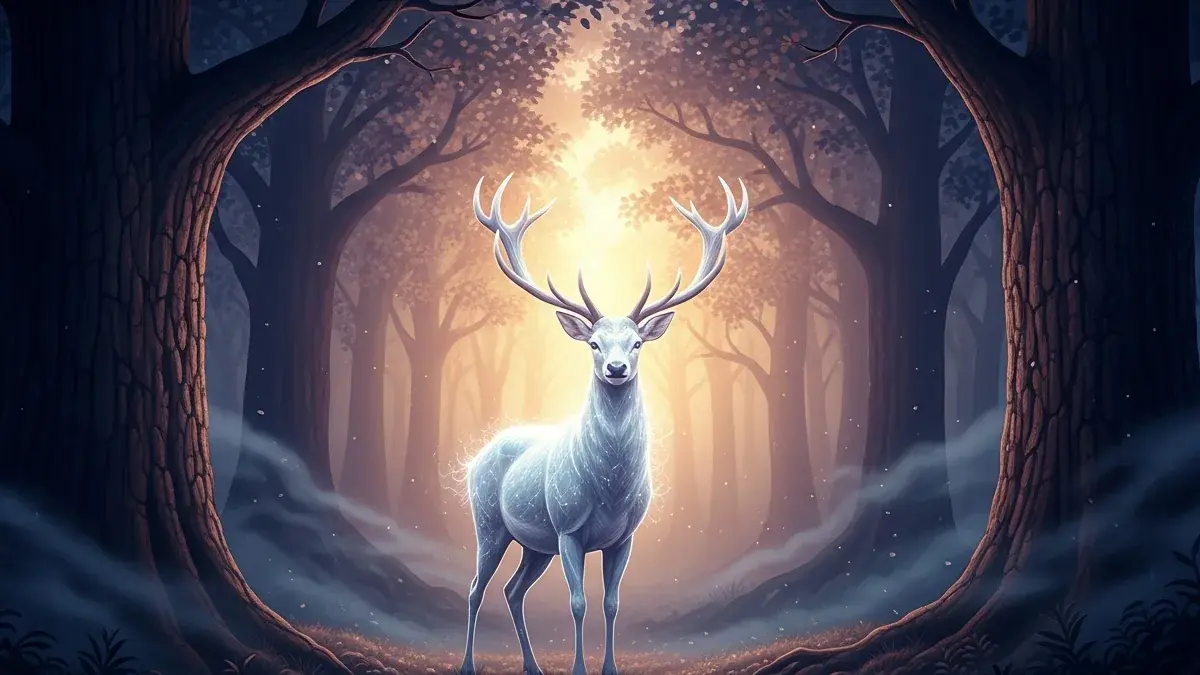
A white or albino animal encounter, whether in waking life, a dream, or meditation, is widely read as a meaningful sign rather than a coincidence: this coloring is genuinely rare in nature and carries associations with purity, clarity, and spiritual openness across many traditions. As a spirit animal it usually signals positive change and a call toward gentleness. As a totem it points to a lifelong identity as a sensitive healer or teacher. As a power animal it amplifies whatever traits the specific species already represents. Native American, Celtic, and Far Eastern traditions each add their own species-specific meaning to the color, and in dreams, the brighter and clearer the white, the more positive the message.
An almanac
- Rarity
- Genuinely rare in nature; pale coats are easier for predators to spot
- As a spirit animal
- Signals positive change and a call toward gentleness
- As a totem animal
- Lifelong identity as a sensitive healer or teacher
- Native American symbolism
- White buffalo = hope, unity, endurance
- In dreams
- Brighter, clearer white = more positive message
- Leucism vs. albinism
- Leucism spares eye, lip, and paw color; true albinism removes pigment everywhere
Have you crossed paths with a white or albino animal recently, whether in waking life, a dream, or a quiet meditation, and felt like it meant something more than coincidence? That instinct is worth trusting. This guide covers how to read a white or albino animal encounter as a spirit, totem, or power animal, what these creatures have represented across several cultural traditions, and what it means when one shows up in a dream.
Why a White or Albino Animal Feels So Significant
White reflects every wavelength of light instead of absorbing it. Across many traditions, that's made it a symbol of purity, clarity, lunar energy, and openness to divine or psychic impressions.
White and albino coloring is also genuinely rare in nature. A pale coat or feather pattern makes a creature far easier for predators to spot, so few survive to adulthood. That rarity is part of why so many cultures treat a white animal sighting as a meaningful omen.
If a solid white creature has crossed your path, in person, in a dream, or in meditation, treat it as a sign something meaningful is stirring:
- Note exactly what you saw and what you were feeling right before it happened.
- Identify the specific species, since it adds its own layer of meaning on top of the color.
- Sit with the encounter for a day or two before deciding what to change in response.
Reading a White or Albino Encounter as a Spirit Animal
When a white or albino creature shows up as a spirit animal, it typically arrives carrying good news: real, positive change is ahead. If you've been working toward spiritual growth, treat this as encouragement that the effort is paying off.
Because white so often correlates with spirit itself, the encounter can also feel like a message passed along from a guide, teacher, or ancestor rather than from the animal alone. Some people describe a subtle sense of being watched over in the days that follow.
A second common thread is a call toward gentleness. If a white spirit animal keeps showing up, ask honestly whether you've been too hard on yourself or others lately.
- Write down what was happening when the animal appeared.
- Ask where you might need more patience, with yourself or someone else.
- Give yourself permission to be imperfect rather than holding an impossible standard.
What It Means If a White or Albino Animal Is Your Totem
A totem animal isn't a passing spirit-animal visit; it's a lifelong identity marker. People who carry a white or albino animal as a totem tend to describe themselves as old souls: perceptive from a young age and drawn to healing or teaching work.
Historically, people with this kind of totem often became healers, teachers, or spiritual guides. They tend to carry a natural sensitivity to energy that others don't always share. If this resonates with you:
- Give yourself patience rather than frustration when you feel out of step with less sensitive people around you.
- Consider whether healing arts, teaching, or energy work keep calling to you, and take that pull seriously.
- Trust your own perception even when it doesn't match the more literal way others see a situation.
- Remember that restoring balance, to yourself, your relationships, or your surroundings, is often the deeper thread here.
Calling On a White or Albino Power Animal
Unlike a spirit or totem animal, a power animal is something you can deliberately call on for its specific strengths. With white and albino animals, the color adds a layer of meaning on top of whatever the species itself represents.
An owl known for clear sight might, in white form, help you see a situation without the usual clutter of assumptions in the way. A creature known for careful resourcefulness might, in white form, sharpen your ability to focus on what you truly need rather than what you simply want.
Because white ties so closely to higher, expansive energy, this is also a fitting power animal to call on when you want to soften a tendency toward judgment and move toward acceptance instead.
- Choose the specific white or albino animal whose natural traits match the change you want to make.
- Set a clear, honest intention, for example, replacing judgment with more compassion.
- Invite that animal's energy into a short meditation and notice what shifts afterward.
Native American Traditions Around White Animals
Across many Native American cultures, white and albino animals were treated as protected and sacred; harming one was considered deeply taboo. Among them, the white buffalo is especially important.
The birth of a white buffalo calf has historically been treated as an occasion for real celebration, a sign of hope, unity, and coming positive change. Its symbolism traces in part to a Lakota Sioux story of a sacred woman who taught the people important ceremonies and brought them a meaningful ceremonial pipe.
On a personal level, this tradition treats the white buffalo as a symbol of endurance and strength, an encouraging sign that a difficult goal can be reached. If you're drawn to this symbolism, let it encourage you to keep going through a hard season, and stay alert for a bigger shift in the wider world around you.
Celtic Traditions Around White Animals
In Celtic and Welsh storytelling, the unexpected appearance of a white creature was treated as something otherworldly that often sent a hero off on a quest or test of character. Sometimes the animal led the traveler into a trap; other times, the adventure turned into a valuable lesson.
- A white boar was linked to ferocity, courage, and hunting prowess.
- A white bull represented raw power.
- White dogs were considered sacred to the god Arawn.
- A white stag stood for grace and often signaled gentle, meaningful change was coming.
- In later, neopagan reinterpretations, a white sow became linked to a goddess of inspiration and rebirth.
If a white creature has shown up for you, ask which of these qualities, courage, power, grace, or renewal, feels most relevant to what you're facing right now.
Far Eastern Traditions Around White Animals
In several Far Eastern traditions, white carries a more complex meaning: it's tied to both morning and mourning, yet the animals themselves often carry very positive symbolism.
- A white crane represents happiness, devotion, and the fulfillment of a wish.
- A white bat is tied to longevity, from old tales of exceptionally long life.
- A white dog is considered a fortunate presence in folklore.
- A white snake is treated as sacred, linked to a goddess of the arts and prosperity.
- A white tiger is a guardian figure connected to the autumn season.
If you're drawn to this framework, let the specific animal guide your interpretation, since the individual creature carries most of the detailed meaning here.
What It Means to Dream of a White or Albino Animal
Dream interpretation puts a lot of weight on color, and white is no exception. Generally, the brighter and clearer the white in your dream, the more positive the message tied to that animal.
White animals in dreams often connect to instinct and desire in a healthy sense. They tend to nudge you toward getting honest about your wants or finding a constructive way to act on them.
- A white horse, especially unbridled, points to passion, motivation, and drive; a tamed one suggests you're holding back from something you want.
- A white rabbit often points to curiosity and ideas or talents you haven't fully brought to the surface yet.
- A white animal that shifts to a darker color can suggest a loss of innocence, moving from a naive state into one shaped by real experience.
When you wake, write down exactly which animal appeared and what you felt, then sit with how it maps onto your waking life.
The Spirit Bear of the Pacific Northwest
Along the misty coastline of British Columbia's Great Bear Rainforest lives a creature that looks like a ghost stepped out of black bear skin: the Kermode bear, known to the Kitasoo/Xai'xais, Gitga'at, and neighboring First Nations as moksgm'ol, the spirit bear.
Its white coat isn't albinism at all. It comes from a single recessive change in a pigment gene that both parents must carry, so most litters still include ordinary black cubs alongside their pale siblings. The subspecies lives almost nowhere else on earth, concentrated on a small handful of islands off the BC coast, which only deepens how sacred it has become to the people who share that land.
Kitasoo/Xai'xais tradition holds that Raven, the creator figure, made roughly one bear in ten white on purpose, a living reminder of the ice age their ancestors survived. For generations, some coastal Nations kept the spirit bear's existence quiet from outsiders specifically to protect it from hunters, because it means that much to them. If a spirit bear crosses your path, in a dream or elsewhere, let it speak to endurance through a hard season and to whatever your community is quietly protecting.
- Its color comes from a recessive gene rather than albinism, so parents can carry it invisibly for generations.
- It lives almost exclusively in one remote coastal rainforest, so any encounter, even in imagery or story, can feel like contact with something guarded and rare.
- British Columbia named it the province's official mammal in 2006, formal recognition of how deeply it matters to the First Nations who have protected it.
Buddhist and Southeast Asian Traditions Around White Animals
In Buddhist tradition, the story of the Buddha's own conception begins with a white elephant. Queen Maya is said to have dreamed that a white elephant, carrying a white lotus in its trunk, circled her three times before entering her side, an image so vivid it became the announcement of her pregnancy with the future Buddha. The elephant appears in this vision because, in Buddhist symbolism, it represents greatness itself.
That reverence carried into royal life across Southeast Asia. In the historic kingdoms of Burma, Thailand, Laos, and Cambodia, a monarch's discovery of a genuine white elephant was read as proof that he ruled with justice and that his kingdom was blessed with peace. Some rulers even folded "Lord of the White Elephant" into their royal titles. Yet the honor cut both ways: an animal this sacred could never be sold, worked, or given away, so a monarch who wanted to quietly burden a rival might gift him a white elephant, sacred, unrefusable, and ruinously expensive to keep. That paradox is where the modern English phrase for a burdensome, unwanted gift comes from.
If this tradition speaks to you, let it reframe how you think about anything precious that has landed in your life uninvited. Gifts, responsibilities, or talents can be sacred and demanding at the same time.
African Traditions Around White Lions
In South Africa's Timbavati region, white lions occur in the wild with a regularity found nowhere else on earth, and among the Shangaan and Tsonga peoples, they are treated as far more than a genetic rarity. Traditional belief holds them as sacred messengers sent from the divine, animals whose appearance calls people back toward reverence for the land and for each other.
Unlike albinism, the white coat here comes from leucism, a related but distinct condition that mutes pigment production in fur while still leaving natural color in the eyes, paw pads, and lips. Documented sightings in Timbavati go back at least to 1938, though local tradition holds that the lions have belonged to that land for far longer.
If a white lion feels meaningful to you, let it carry a call toward stewardship: treat whatever you're responsible for right now, land, people, or your own path, with the same reverence this tradition asks of anyone who crosses paths with one.
Frequently Asked Questions
Is it rare to actually see a white or albino animal in person?
Yes. White and albino coloring shows up far less often in nature because pale animals are easier for predators to spot, so fewer survive. That rarity is a big part of why so many cultures have treated a sighting as a meaningful sign rather than an everyday occurrence.
How is a white spirit animal different from a white totem animal?
A spirit animal encounter tends to be a specific message for a moment in time: it often signals positive change or a call toward more gentleness. A totem animal is more of a lifelong identity. It describes someone who carries an ongoing sensitivity to energy and often gravitates toward healing, teaching, or spiritual work.
What should I do first after encountering a white or albino animal?
Start by writing down exactly what you saw, where, and what was on your mind beforehand. Identify the specific species involved, since its individual symbolism combines with the meaning of the color white. Then give yourself a day or two to sit with the experience before deciding what it's asking of you.
What's the difference between an albino animal and a leucistic animal?
True albinism removes pigment everywhere, including the eyes, which typically appear pink or red because blood vessels show through underneath. Leucism, the condition behind animals like white lions, mutes pigment in fur, feathers, or skin while sparing the eyes, paw pads, or lips, which keep their natural color. Both are genuinely rare, and either one can carry the symbolic weight described throughout this guide.
Why do people call an unwanted gift a 'white elephant'?
The phrase traces back to royal courts in historic Burma, Thailand, Laos, and Cambodia, where a white elephant was considered sacred and could never be sold, worked, or given away. A monarch who wanted to quietly burden a rival could gift him one, a responsibility that looked like an honor. As a sign or dream image, that dual nature is worth sitting with: something that arrives dressed as a blessing may still ask a lot of you.
More from Spirit Guides


Sources
Claims on this page were checked against these published sources.
- Albinism in animals
Animals with albinism may lack protective camouflage in some environments, and are therefore less able to conceal themselves from their predators or prey.
Read the source → - White Buffalo Calf Woman
she brought the 'Seven Sacred Rites' to the Lakota people... the sacred ceremonial pipe
Read the source → - Arawn
Arawn's hounds are distinctively described as 'white hounds with red ears.' In the First Branch of the Mabinogi, the protagonist Pwyll encounters these animals feeding on a stag in Annwn before learning they belong to Arawn.
Read the source → - Cerridwen
Ceridwen is regarded by many modern pagans as the Celtic goddess of rebirth, transformation, and inspiration.
Read the source → - White Tiger (mythology)
It represents the west in terms of direction and the autumn season.
Read the source → - Benzaiten
Goddess of all that flows: water, music, arts, love, wisdom, wealth, fortune... she is sometimes depicted with Ugajin (a human-headed white snake) above her head
Read the source → - Spirit bear
A single, nonsynonymous nucleotide substitution in the MC1R gene causes melanin to not be produced... They hold a prominent place in the oral traditions of the indigenous peoples of the area... the Tsimshianic languages call them moksgmʼol.
Read the source → - Maya (mother of the Buddha)
a white elephant, holding a white lotus flower in its trunk, appeared and went round her three times, entering her womb through her right side.
Read the source → - White elephant
a blessing because the animal was sacred and a sign of the monarch's favour, and a curse because the recipient now had an animal that was expensive to maintain, could not be given away, and could not be put to much practical use.
Read the source → - White lion
white lions are revered and honoured as deeply sacred and holy animals, sent to Earth as messengers of God and representatives of higher consciousness... Their white color is called leucism... White lions in the Timbavati region of South Africa are thought to have been indigenous to the area for centuries, although the earliest recorded sighting was in 1938.
Read the source →
Not sure which animal is yours?
Consult the quiz