Animal Dream Symbol
Mammal Dream Meaning: Dreams About Mammals Explained
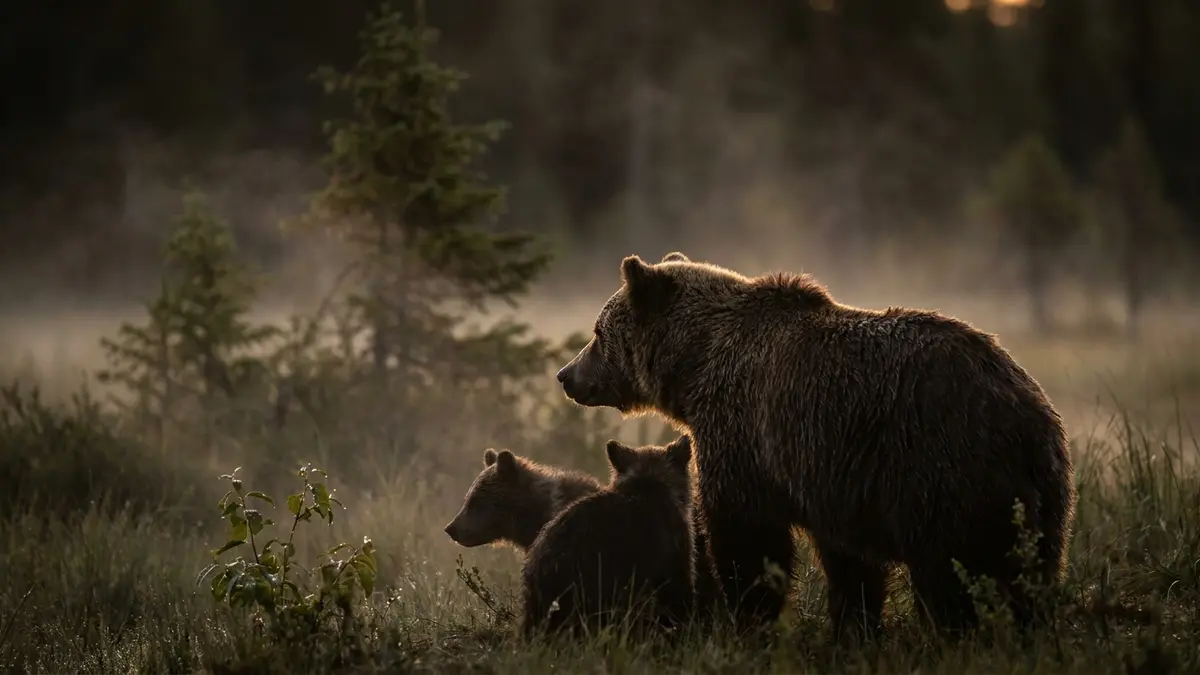
Dreaming of a mammal often measures your level of caring or warmth in a situation against alternatives that are more guarded or distant. Mammals are normally warm, nurturing, and they generally give birth to live young, although there are exceptions like the platypus. So if you dream of a mammal, it's probably a way for your subconscious to measure how much care, connection, or emotional generosity you're offering in some situation compared to a less warm alternative.
An almanac
- Core message
- Warmth, instinct, and emotional connection
- Spirit animal
- A guide to instincts you've been ignoring
- Totem for
- Nurturing, protection, and community
- In dreams
- Reflects care, connection, or emotional distance
- Best qualities
- Loyalty, self-trust, and emotional depth
- Watch for
- Feeling out of place or emotionally disconnected
- Known species
- ~6,500 mammal species worldwide
- Word origin
- Latin mamma, meaning "breast"
Mammals are a massive group of creatures, including everything from sleeping cats on a windowsill to huge, swimming whales. Usually, one of these animals shows up in your dreams as a way of signaling something specific, like an emotion or habit you already recognize in yourself. Because there are thousands of mammals in existence, however, the true meaning of such dreams doesn't always show up in the word "mammal" alone. Instead, look to the particular animal that appeared for help understanding what's going on.
What It Means
Every mammal is warm-blooded, and most give birth to live offspring. Only the platypus and echidnas lay eggs. This suggests that a mammal in your dream represents someone who is caring and nurturing.
A mammal that stands out in some way—its size, appearance, or hunting habits—may suggest something. It could be a reminder to take a wider perspective, or to stay true to your inner instincts.
Notice also what mammals eat and drink. Does their diet indicate the way you are feeding yourself emotionally, financially or otherwise?
Does a sea-going mammal seem trapped on dry land? Are you feeling out of touch with your own emotions?
Common Mammal Dream Scenarios
If you dreamed of animals, one of these meanings may apply:
If you saw a herd or pack moving together, it means that you need more community. Maybe you feel alone. Maybe your challenges are too big for you to handle on your own.
If you saw a wolf or big cat calmly stalking its prey, it shows that you have sharp instincts. You may be underestimating how strong you are. Or maybe those instincts will help you.
If there were mammals nursing their babies, it means that caring is important to you right now. Either you need care yourself, or maybe the caring side of yourself is important to the situations around you.
If a giraffe or elephant stood tall in your dream, it reflects your need to see the big picture. Or maybe what's calm and steady inside of you is really important right now.
Dreaming of house cats or foxes might show that you need independence. And being independent means that mental agility and using whatever skills work for you will be useful to get where you need to go in life.
Seeing dolphins or whales trapped in the water might mean that what's happening for you is uncomfortable, or maybe your current position has drifted away from what's really best for you right now.
Seeing burrowing or nocturnal creatures means something hidden. They may reflect something about yourself.
Eating well or financial problems: see hunting mammals like wolves and foxes foraging quietly but very seriously on their prey. A dream like this might remind you to look at what's going on with your resources, whether they are physical resources like food and shelter, or nonphysical resources like financial cash flow and the emotional ups and downs.
Symbolism & Message
Dreams about mammals are hard to compare, because each animal carries a different message, influenced by how it looked and felt in the dream. But generally speaking, they tie into the idea of nurturing and emotional presence.
Mammals are warm-blooded creatures that care for their young directly. So even if they're just passing through your dream, their presence suggests a deeper connection. And whether the animal was warm, protective, or afraid could change how you interpret the rest of the dream.
When reading animal symbolism in dreams, check what each specific animal means. Remember that it's all about you, rather than finding a universal meaning in a page full of animals.
Spiritual Meaning
In the world of animal symbolism, the mammals are often considered the most approachable because they share basic instincts that feel close to our own: socializing, defending territory, seeking security, and caring for young ones.
A mammal appearing in your dreams might serve as a kind of guide, pointing you toward one of those basic instincts you've been ignoring. Maybe it's the urge to protect someone you love, or to claim more independence for yourself, or the need to go with your gut on a tough decision you've been putting off.
Different groups of mammals carry different symbolic nuances. For example, pack animals like wolves and deer often represent loyalty, collaboration, and the power found in community. Solitary hunters like cats and foxes are usually linked to things like trust in yourself and quiet confidence. Marine mammals like dolphins and whales can symbolize intuition, emotional depth, and wisdom accessed by delving beneath the surface.
So listen to what that animal's natural instincts might be telling your own life right now.
Mammals in Mythology & Culture
Before there were books or seminars about spirit animals, entire civilizations were keeping track of the seasons, celebrating holidays, and even organizing their clans around the very animals appearing in people's dreams right now.
In Chinese astrology, almost all of the animals are mammals except for the snake and rooster — not to mention a mythical dragon. So you can kind of make sense of how it came to be that many people believe those born in a certain year have certain personality traits.
The ancient Egyptians were telling a story through Bastet, one of their goddesses. This one started out as a fierce lioness warrior but eventually came to be worshipped as a protector of childbirth and the home, guarding against evil spirits.
Today we call a spirit animal by its common name: "totem." In fact, in some Anishinaabe traditions people aren't even allowed to hurt or kill their spirit animals.
Frequently Asked Questions
What does it generally mean when a mammal shows up in your dream?
In general, a dream of a mammal brings together instincts, emotions, and relationships, because mammals are defined by warmth and nurturing. Normally they have live birth--with a few exceptions like the platypus.
If you dream about a mammal, the dream is probably nudging you to notice whether you're bringing warmth and connection to a current situation or if you are acting from emotional distance.
Why does the specific type of mammal matter so much for interpreting the dream?
Because there are thousands of mammals, knowing a general category tells you little. For instance, a giraffe’s long neck is different from a cat’s independence. So if a mammal appeared in your dream, its specific traits, habits, and habitats are where the important messages reside.
What does it mean if the mammal in your dream is somewhere it doesn't belong, like a whale on land or a cat submerged in water?
A mammal in your dream, unexpectedly out of its natural setting, suggests you may be experiencing some disconnection from your everyday reality or your emotions. Because water in dreams is associated with feeling, a whale stranded on the shore can symbolize feeling lost, overwhelmed by emotion, or ill-suited to your environment.
Where does the word "mammal" actually come from?
The word mammal comes from the scientific name, Mammalia, invented by the naturalist Carl Linnaeus in 1758. It comes from the Latin mamma, "teat" or "breast." Mammals are so named because every one nurses its young with milk from mammary glands. For that reason, there's a reason nurturing and care always show up when a mammal appears in a dream.
Is there a biological reason mammals feel like more relatable dream messengers than reptiles or insects?
Why are mammals so much more common in dreams than, say, reptiles? At least partly because mammals share a neocortex--a section of brains where a lot of thought and social interaction happens. The middle-ear bones that come with it sharpen hearing. But also because mammals usually have hair or fur. When an animal looks like a close relative to you, it feels easier to connect with.
Sources
Claims on this page were checked against these published sources.
- Mammal
All modern mammals give birth to live young, except the five species of monotremes, which lay eggs.
Read the source → - Chinese zodiac
The zodiac traditionally begins with the sign of the Rat. The following are the twelve zodiac signs in order: Rat, Ox, Tiger, Rabbit, Dragon, Snake, Horse, Goat, Monkey, Rooster, Dog, and Pig... believed to influence people's personalities, careers, compatibility, marriages, and fortunes.
Read the source → - Bastet
Bastet or Bast...is a goddess of ancient Egyptian religion, possibly of Nubian origin, worshipped as early as the Second Dynasty (2890 BCE)... was also a goddess of pregnancy and childbirth... depicted as the goddess of protection against contagious diseases and evil spirits
Read the source → - Totem
A totem (from Ojibwe: ᑑᑌᒼ or ᑑᑌᒻ '[doodem]') is a spirit being, sacred object, or symbol that serves as an emblem of a group of people, such as a family, clan, lineage, or tribe... Totems can regulate social practices, including marriage rules, and often carry prohibitions against consuming the totem animal's flesh
Read the source →